Essay Writing Under Pressure – How to Finish When You Don’t Feel Like It

A deadline can make even a simple essay feel impossible. When you’re tired or stressed, the hardest part is starting. The good news is you don’t need perfect motivation. You need a plan you can follow when you feel low.
Pressure doesn’t mean you’re lazy. It often means your brain is overloaded. Planning feels harder. Every sentence feels like a big choice.
Stress also pushes you toward quick comfort. You scroll. You snack. You tell yourself five minutes, and it becomes forty. Don’t try to win with willpower alone. Make the task easier to begin.
Here’s a helpful rule: lower your standards for the first draft. Aim for good enough. You can fix messy writing later. You can’t fix a blank page.
Set a Small Goal You Can Actually Hit
Big goals can freeze you. Finishing the whole essay tonight is a lot. Pick a smaller target: write 250–300 rough words, finish the outline, or draft one paragraph.
Around this point, some students start searching for help like write my paper because they feel stuck. Even if you don’t use a service, that feeling matters. It usually means your plan is too big for your energy.
Think of the minimum version. What’s the smallest essay that still fits the rubric? Usually, structure matters most. An intro, a few body paragraphs, and a conclusion can be enough. You can polish if you have time.
Make a Fast Outline Then Write a Messy Draft
An outline reduces stress because it tells you what to do next. Keep it basic: thesis, 2–3 points, and one piece of evidence for each point.
Try a simple thesis format: I believe X because A, B, and C. It’s not fancy, but it works. Then A, B, and C become your body paragraphs.
Write in the easiest order. Many people write body paragraphs first. Then they write the introduction last. This helps because your intro matches what you really wrote, not what you hoped to write.
Use Short Writing Sprints
Motivation comes and goes. A rhythm helps more. Use short sprints so starting feels manageable.
- Write for 10–15 minutes.
- Put the document in full screen.
- Stop in the middle of a sentence when the timer ends.
- Take a 3–5 minute break and stand up.
- If you get stuck, write a note like [add example] and keep going.
- After 3 sprints, do one sprint to clean up obvious problems.
The goal is to create material. Once you have text on the page, it’s easier to keep going.
Collect Evidence Without Falling Into Research Mode
Research can turn into procrastination fast. Set limits. Decide how many sources you need. Then collect only what supports your points.
Make an evidence kit at the bottom of your draft. Paste quotes, stats, or notes there first. Then pull them into paragraphs as you write. This keeps you from switching tabs nonstop.
If you need a reliable writing guide, Purdue OWL is a strong option. It explains thesis statements and outlining in a clear way:https://owl.purdue.edu/
Keep it simple. One strong source per paragraph is often enough. More sources don’t always mean a better essay.
Edit in Quick Passes Not All at Once
Don’t try to perfect everything. Edit in steps. Fix the things that affect your grade first.
Start with structure. Read the first sentence of each paragraph. Do they make sense in order? Do they support your thesis? If not, rewrite the topic sentences. This alone can make your essay feel more solid.
Next, tighten your writing. Cut repeated ideas. Remove extra words. Break long sentences into two. If a sentence feels hard to read, shorten it.
Last, do a quick proofread. Fix spelling, punctuation, and citations. If you’re tired, read it out loud. You’ll catch mistakes faster.
Finish Without Overthinking
The final hour is where people panic. They keep rewriting the intro. They doubt every line. Then they forget basic requirements. Use a simple plan so you don’t drift.
| Time left | What to do | What done looks like | | 60–40 min | Fill gaps | All parts exist, even if rough | | 40–25 min | Fix structure | Topic sentences and flow make sense | | 25–10 min | Clean wording | Fewer errors, fewer repeats | | 10–0 min | Final check | Formatting, citations, file name, upload |
You might still dislike the essay when you’re done. That’s normal. Your goal is not to love it. Your goal is to submit something clear that follows the assignment. Once it’s turned in, you can breathe again.
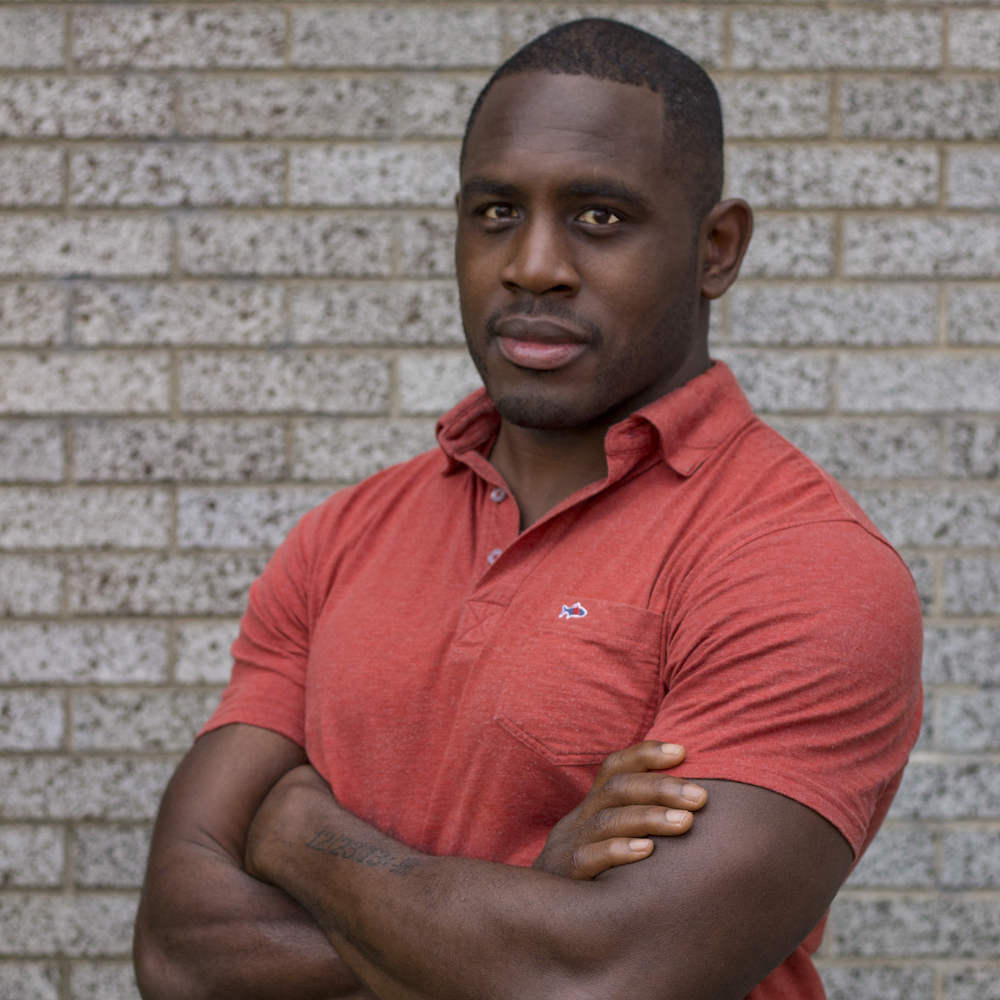
Written by
Ed Latimore
Ed Latimore is a best-selling author, professional heavyweight boxer, and physicist. He writes about self-improvement, sobriety, fighting, and the lessons he learned growing up in the projects of Pittsburgh.
Follow @EdLatimore