The Secret Supplement Boxers Are Missing: Methylene Blue

Boxing isn’t just a young man’s game—it’s a brutal test of endurance, reaction time, and mental clarity. And now that I’m pushing 40, I’m not chasing an edge to dominate the sport. I’m just trying to stay in the fight without breaking the rules or my body.
Most regular guys can hop on TRT or experiment with peptides when age starts creeping in. But when you’re trying to compete under the rules set by the World Anti-Doping Agency, those options are off the table. No hormone replacement, no banned peptides, no shortcuts. If you break those rules, you’re not just cheating—you’re risking fines, public backlash, and having your wins wiped off the books.
So I had to get creative. I’ve experimented with a handful of legal supplements that actually do something. One of the most interesting—and surprisingly effective—has been methylene blue.
Never heard of it? Don’t worry, most boxers haven’t. But it might be one of the best legal tools we’ve got to stay competitive, especially as we age.
And here’s the kicker: it’s not just for guys with graying beards trying to squeeze out a few more good rounds. Methylene blue has some real, research-backed benefits for anyone in the hurt business.
What Is Methylene Blue?
Methylene blue is a synthetic compound originally developed as a medical dye and treatment for certain blood disorders. More recently, it has gained attention for its potential effects on mitochondrial function, energy production, cognition, and athletic performance.
Why Athletes Are Interested In Methylene Blue
Athletes are interested in methylene blue because it targets many of the exact systems that intense training pushes to the limit: energy production, recovery, mental performance, and fatigue resistance.
Most supplements work indirectly. Methylene blue is interesting because it appears to work at the cellular level—specifically inside the mitochondria.
Mitochondria are the tiny energy-producing structures inside your cells responsible for generating ATP, the fuel your body uses for movement, muscle contraction, reaction time, and recovery. The harder you train, the more demand you place on those systems.
That’s why endurance athletes, combat athletes, bodybuilders, and biohackers have become increasingly interested in methylene blue.
One of the biggest reasons is fatigue resistance.
As training intensity increases, your body becomes less efficient at producing energy. Fatigue accumulates. Reaction time slows. Decision-making suffers. Your muscles stop responding the same way. In combat sports, this is often the difference between looking sharp in round one and surviving round eight.
Methylene blue may help improve mitochondrial efficiency, allowing cells to continue producing energy more effectively under stress. In practical terms, athletes are interested in whether this translates into:
- better endurance
- more sustained output
- improved recovery between rounds or sessions
- and less performance decline during fatigue
There’s also growing interest in its potential effects on oxygen utilization.
Boxing, MMA, endurance sports, and high-intensity interval training all place enormous demands on oxygen delivery and cellular respiration. Methylene blue has historically been used medically in oxygen-related conditions because of its effects on cellular respiration and electron transport inside mitochondria.
That’s part of why some athletes believe it may help them maintain performance deeper into hard training sessions.
But physical endurance is only half the story.
One of the most overlooked aspects of athletic performance is cognition under stress.
The exhausted brain makes terrible decisions.
Reaction time slows. Focus narrows. Timing disappears. Technique breaks down. In sports like boxing and MMA, mental fatigue is often more dangerous than physical fatigue.
That’s another reason athletes are experimenting with methylene blue. Some research suggests low doses may support working memory, focus, and brain energy metabolism. Athletes are interested in whether that translates into:
- better concentration
- faster reactions
- clearer thinking under pressure
- and improved strategic decision-making while fatigued
Recovery is another major factor.
High-level training creates oxidative stress and inflammation. Over time, that wear and tear accumulates. Aging athletes especially begin noticing that soreness lasts longer, recovery slows down, and hard sessions become more difficult to bounce back from.
Methylene blue’s antioxidant and mitochondrial-supportive effects are part of why some athletes view it as a potential recovery tool rather than simply a stimulant or pre-workout.
That distinction matters.
The appeal of methylene blue isn’t that it feels like a powerful stimulant. Most athletes interested in it are looking for something different:
- sustainable energy
- sharper cognition
- improved recovery
- and better resilience under physical stress
In other words, they’re not just trying to train harder.
They’re trying to maintain high performance without burning themselves into the ground.
The Science-Backed Benefits of Methylene Blue for Boxers
Boxing is a sport of extremes—physically demanding, mentally exhausting, and metabolically punishing. Methylene blue offers unique advantages because it targets the very systems that boxers push to the limit: the brain, muscles, and mitochondria.
Here’s what the research shows:
How Methylene Blue Helps You Stay Energized
Methylene blue is a synthetic compound originally used to treat infections and oxygen-related illnesses. But in recent years, it’s gained attention for something entirely different: supercharging your cells.
At a cellular level, methylene blue improves mitochondrial function—meaning your body produces more energy, more efficiently. For a boxer, that means:
- More stamina in the late rounds
- Faster recovery between sessions
- Improved mental clarity during high-stress moments
It’s not a magic pill, but for me, it’s become a secret weapon in training and focus.
This isn’t some sketchy energy drink garbage or a placebo pill. Methylene blue works at the cellular level—specifically in your mitochondria, the tiny power plants inside your cells that pump out ATP, the energy your body runs on.
There’s a study from 2011 that shows methylene blue acts like a jumper cable for your mitochondria. It helps them produce more ATP, which means more real energy—not just a caffeine buzz.
Why this matters in boxing:
- More gas in the tank: You’re not getting winded as fast. That means sharper punches in the later rounds.
- Faster recovery: When your cells recharge faster, your muscles do too. That soreness after sparring doesn’t linger as long.
If you’re training hard and fighting clean, this is the kind of boost that keeps you from feeling like you got hit by a truck the day after.
Sharper Thinking When It Matters Most
In boxing, your mind is your most important weapon. It doesn’t matter how hard you can hit if your brain checks out in the later rounds. This sport isn’t just about physical toughness—it’s fast-paced chess with your life on the line. The real game is played in your head.
That’s why I took a hard look at methylene blue—not just for the physical edge, but for what it does mentally.
The science is compelling. A 2004 study showed methylene blue helps with memory and cognition. More recently, a 2017 double-blind, placebo-controlled study found that low doses of methylene blue improved working memory and even boosted brain activation during cognitive tasks.
That’s not just academic talk. What it means for you as a fighter is this:
- Clearer thinking under pressure – whether you’re mid-round or between rounds, your brain doesn’t fog up.
- Faster reactions – the difference between slipping a punch or catching one on the chin often comes down to milliseconds.
- Smarter strategy – even when you’re gassed, you can still make good decisions, spot patterns, and adjust your game plan on the fly.
It also has potential neuroprotective benefits. Methylene blue reduces oxidative stress in the brain, according to a 2016 review, which might help reduce some of the neurological damage that you sustain from sparring and training. Boxing is a dangerous sport and you will sustain some head trauma.
As long as you don’t take a dangerous knockout shot, the effects of the damage won’t be apparent immediately, but if over time, you’ll start talking with slurred speech. Methylene seems to offer protection against that.
Also, if you’ve had a concussion, methylene blue has been shown to improve blood flow in the brain and reduce the death of neurons after a traumatic brain injury (study here).
Bottom line: If you’re tired of your brain clocking out before the final bell, methylene blue might be the smartest legal supplement you’re not using.
Testosterone Support Without Breaking the Rules
As boxers age, the fight isn’t just in the ring—it’s internal. Testosterone starts to decline naturally, and when you’ve taken a few hundred punches to the gut and trained through your 30s and 40s, that dip hits harder. While my testosterone levels are still measuring in the high 700/low 800 ng/dL, I know this is a decline from what they were in my 20s and 30s.
If I weren’t trying to compete, I’d be a cocktail of peptides or, if my numbers dropped too low , testosterone. But if I did that while competing in a sport that follows the WADA protoco, that’s a one-way ticket to a suspension, stripped wins, or worse. Aside from supplementation and rest, I went looking for ways to support my body’s natural testosterone production without stepping outside the rules.
This is where methylene blue shows real promise—not by acting like a steroid, but by protecting the very systems that keep your hormones working in the first place. Half the game of aging is maintenance, and no where does that matter more than in sports.
Here’s how methylene blue helps keep me as strong as possible, with my testosterone as high as possible:
Oxidative Stress Crushes Testosterone
Your testosterone is made by Leydig cells in your testes. When these cells get damaged—usually by inflammation or oxidative stress—they stop functioning properly. A 2023 study showed that oxidative stress impairs Leydig cell function and directly reduces testosterone synthesis.
That’s where methylene blue comes in. It’s a potent antioxidant. It helps your mitochondria function more efficiently and reduces the cellular stress that wrecks hormone-producing cells.
Methylene Blue May Improve Mitochondrial Function in Leydig Cells
Leydig cells are packed with mitochondria because testosterone synthesis is energy-intensive. Methylene blue helps enhance mitochondrial respiration by improving electron flow in the electron transport chain—a fancy way of saying your cells make energy more efficiently.
A 2012 study showed that methylene blue improves mitochondrial function and reduces reactive oxygen species (ROS), which are a major source of oxidative damage (Poteet et al., 2012).
This could mean stronger, more efficient Leydig cells—and by extension, healthier testosterone production.
To sum it up: Methylene blue isn’t going to replace TRT. But if you want to preserve your natural testosterone levels, especially while training hard and aging gracefully, it may help your system stay sharp—by protecting the machinery, not replacing the fuel.
Does Methylene Blue Increase Testosterone?
Methylene blue is not testosterone replacement therapy. It is not anabolic, it does not act like a steroid, and it should not be treated like a direct testosterone booster.
If methylene blue supports testosterone, it likely does so indirectly.
Testosterone production depends heavily on the health of the cells that make it. In men, testosterone is primarily produced by Leydig cells in the testes. These cells are metabolically active, meaning they need healthy mitochondria and a low-stress cellular environment to do their job well.
That’s where methylene blue becomes interesting.
Methylene blue appears to support mitochondrial function by helping cells produce energy more efficiently. Since Leydig cells require energy to synthesize testosterone, anything that protects mitochondrial function may help preserve the machinery responsible for natural hormone production.
The other major factor is oxidative stress.
Hard training, poor sleep, aging, inflammation, alcohol, environmental toxins, and chronic stress can all increase oxidative stress. When oxidative stress damages Leydig cells, testosterone production can suffer. Methylene blue has antioxidant-like effects at appropriate doses, which means it may help reduce some of the cellular stress that interferes with healthy testosterone production.
That does not mean methylene blue will take a man with low testosterone and turn him into a 22-year-old again.
It means that, in theory, methylene blue may help protect the systems involved in natural testosterone production by supporting mitochondrial energy metabolism and reducing oxidative damage.
TRT replaces your body’s testosterone from the outside. Anabolic steroids artificially push your hormones beyond normal levels. Methylene blue does neither of those things. At best, it may help your body maintain better function by protecting the cells and energy systems that testosterone production depends on.
The evidence here is promising, but not conclusive. Most of the testosterone-related argument for methylene blue is based on mechanism, mitochondrial research, oxidative stress research, and what we know about Leydig cell biology—not large human trials showing dramatic testosterone increases.
So the honest answer is this:
Methylene blue probably does not “boost testosterone” in the way people usually mean. But it may support the biological environment needed for healthy testosterone production, especially in aging men, hard-training athletes, and people dealing with high oxidative stress.
For a clean athlete, that difference matters.
I’m not looking for a banned shortcut. I’m looking for legal ways to preserve performance, recovery, energy, and hormone health as I get older. Methylene blue fits into that category—not as a replacement for testosterone, but as a possible support tool for the systems that help keep testosterone production working.
Is Methylene Blue Banned By WADA?
As of this writing, methylene blue does not appear on the World Anti-Doping Agency (WADA) prohibited substances list.
That means it is currently legal for athletes competing under WADA rules to use methylene blue supplements. For me, that matters a lot. As a competitive boxer subject to anti-doping standards, I can’t touch testosterone replacement therapy, anabolic agents, or most of the peptides that aging athletes quietly experiment with. If it’s banned, it’s not worth risking my reputation, suspension, or having a win overturned.
That’s part of what made methylene blue interesting to me in the first place. It potentially supports energy production, cognition, recovery, and mitochondrial function without functioning like a traditional performance-enhancing drug.
But there’s an important distinction athletes need to understand:
Just because something may improve performance does not automatically make it banned.
WADA bans substances based on several criteria, including whether they significantly enhance performance, pose health risks, or violate the “spirit of sport.” Plenty of legal supplements can improve recovery, endurance, focus, or training quality without crossing that line. Creatine, caffeine, beta-alanine, and beetroot extract are all examples of legal performance-supporting compounds.
At the same time, you should never assume that a supplement is permanently safe from a regulatory standpoint.
WADA updates its prohibited list every year. Rules change. New research emerges. Compounds that were once ignored can suddenly receive scrutiny if they become widely used in competitive sports. If you compete professionally or at a high amateur level, it’s your responsibility to verify the current status of any supplement you take.
And honestly, legality isn’t even the biggest risk.
Contamination is.
A lot of supplements are manufactured in facilities that also process banned substances. Even if methylene blue itself is legal, a contaminated product could still trigger a failed drug test. That’s why sourcing matters so much.
I avoid sketchy “aquarium grade” methylene blue and only use products that are pharmaceutical-grade, lab-tested, and transparent about purity standards. If you’re competing under anti-doping rules, buying the cheapest supplement online is gambling with your career.
Bottom line:
As of now, methylene blue is not banned by WADA. But if you compete in tested sports, always:
- verify the current prohibited list
- use high-quality products
- avoid contaminated supplements
- and consult qualified medical professionals when in doubt
Because in combat sports, one bad decision outside the ring can erase years of work inside it.
Methylene Blue Side Effects and Risks
Methylene blue is not a harmless wellness supplement you should casually throw into your routine without doing research. It’s a biologically active compound with real physiological effects, which means it also carries real risks—especially if you misuse it, take too much, or combine it with the wrong medications.
The biggest safety concern is serotonin syndrome.
Methylene blue acts as a monoamine oxidase inhibitor (MAOI), which means it can interfere with how your body processes serotonin. If you combine methylene blue with medications that increase serotonin levels—especially SSRIs (selective serotonin reuptake inhibitors)—you can potentially trigger serotonin syndrome, which is a serious and potentially life-threatening condition.
Common SSRIs include:
- Prozac (fluoxetine)
- Zoloft (sertraline)
- Lexapro (escitalopram)
- Paxil (paroxetine)
- Celexa (citalopram)
This risk can also extend to:
- SNRIs
- MAOIs
- certain ADHD medications
- some pain medications
- certain recreational drugs
- and various psychiatric medications
Symptoms of serotonin syndrome may include:
- rapid heart rate
- agitation
- confusion
- sweating
- tremors
- muscle rigidity
- fever
- and dangerously elevated blood pressure
If you take any medication that affects neurotransmitters, talk to a qualified healthcare professional before using methylene blue.
Another common issue is insomnia.
Many users report increased alertness, mental stimulation, or feeling “wired” after taking methylene blue. That can be useful before training or mentally demanding work, but it also means taking it too late in the day may interfere with sleep.
Personally, I would avoid taking it close to bedtime until you know how your body responds.
You should also expect urine discoloration.
This is one of the most harmless but surprising side effects. Methylene blue can turn urine—and sometimes stool—a bright blue or greenish color. It looks alarming if you aren’t expecting it, but it’s generally normal and harmless at appropriate doses.
Other possible side effects include:
- nausea
- dizziness
- headaches
- gastrointestinal discomfort
- mild anxiety or overstimulation
These effects are often dose-dependent, which is why dosing matters so much.
More is not better with methylene blue.
Low doses appear to produce very different effects than high doses. Many people get into trouble because they assume that if a small amount improves energy or cognition, larger amounts must work even better. That’s not necessarily true. High doses can increase oxidative stress instead of reducing it and may significantly raise the risk of side effects.
This is why most responsible users start conservatively and gradually assess tolerance.
Medication interactions are another major concern.
Beyond SSRIs, methylene blue may interact with:
- psychiatric medications
- stimulants
- blood pressure medications
- certain antihistamines
- some painkillers
- and drugs that affect dopamine, serotonin, or norepinephrine
People with G6PD deficiency should be especially cautious because methylene blue can trigger serious complications in susceptible individuals.
And finally, sourcing matters.
A lot of the methylene blue sold online is marketed for aquarium or industrial use and may contain contaminants or impurities that are absolutely not intended for human consumption. If you’re going to use methylene blue, pharmaceutical-grade sourcing and third-party testing matter enormously.
Read more here Mita Nutra’s “Man Green’s” also boosted my testosteroneHow to Dose Methylene Blue Safely and Effectively
Methylene blue isn’t your typical supplement—it’s potent, and dosing it right is key to reaping its benefits without unwanted side effects.
Start Low and Adjust Gradually
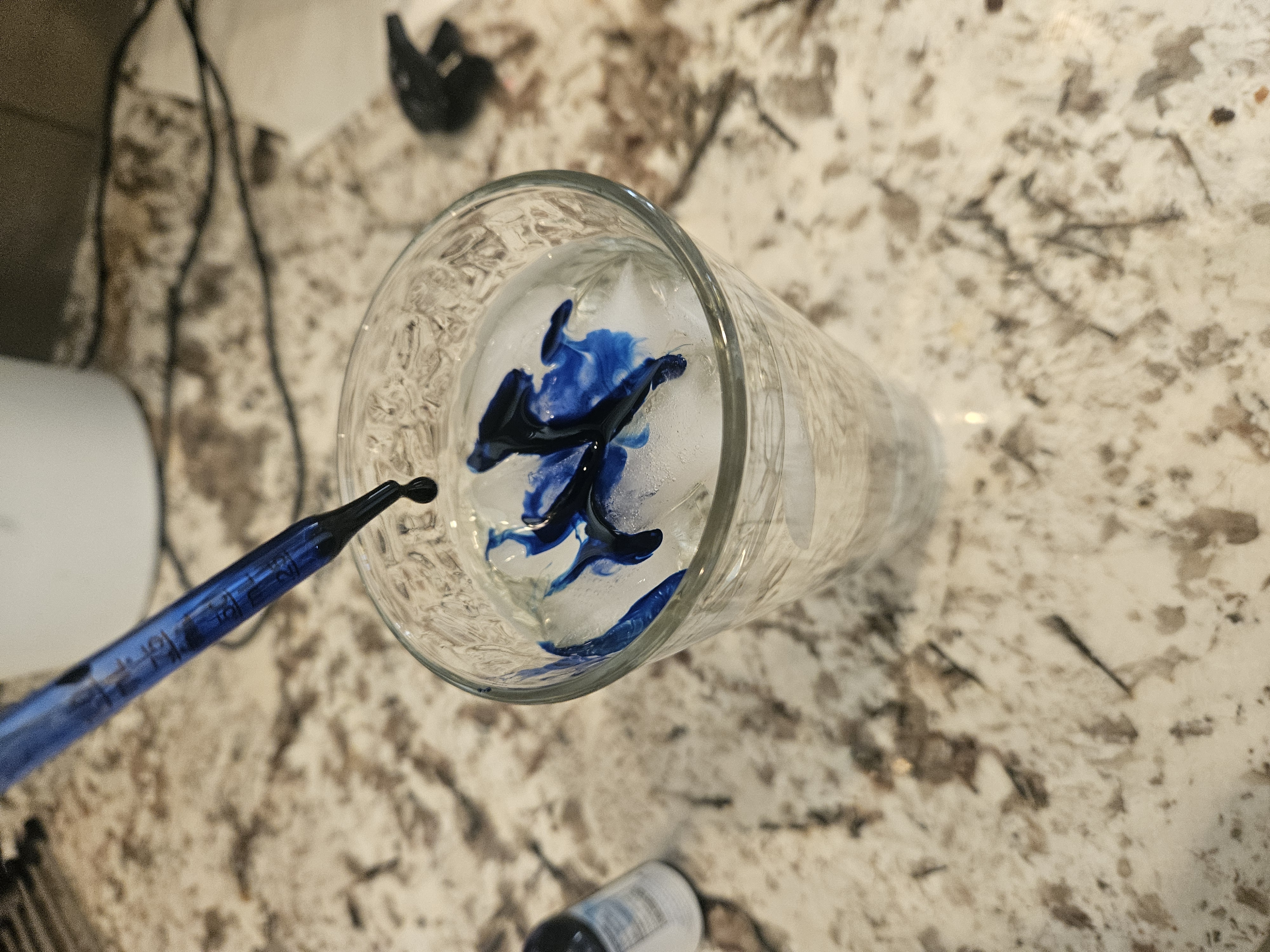
For cognitive enhancement and physical performance, a common starting dose is 0.5 to 1 mg per kilogram of body weight. For example, if you weigh 80 kg (about 176 lbs), that translates to 40–80 mg per day.
Some practitioners recommend even lower starting doses, such as 5–15 mg daily, especially when focusing on neuroprotection or cognitive support.
Timing Your Dose
To maximize benefits, take methylene blue 30 to 60 minutes before training or competition. This allows it to be absorbed and start working when you need it most.
Monitor and Adjust
Pay attention to how your body responds. If you experience any side effects like nausea or dizziness, consider lowering the dose. Conversely, if you don’t notice any benefits after a week or two, you might discuss with a healthcare provider about adjusting the dosage.
Safety Considerations
- Avoid High Doses: Doses above 5 mg/kg can increase the risk of side effects and are generally not recommended. NCBI
- Check for Interactions: Methylene blue can interact with certain medications, especially SSRIs, potentially leading to serotonin syndrome. Always consult with a healthcare provider before starting.
- Watch for Discoloration: It’s normal for urine and sometimes stools to turn blue or greenish. This is harmless but can be surprising if you’re not expecting it.
- Don’t take too close to bedtime. Some uses have reported that it’s kept them awake at night, while others claim it helps them sleep.
- Beware if you are using any drugs that modulate neurotransmitters. The biggest warning I’ve come across is if you are on antipsychotics. Consult your doctor if there’s even the smallest doubt about whether your medication counts.
Bottom Line: Start with a low dose, monitor your body’s response, and adjust as needed. Always prioritize safety and consult with a healthcare professional to ensure methylene blue is appropriate for your specific situation.
Let me know if you’d like to delve into how to cycle methylene blue or combine it with other supplements for enhanced performance.
Where To Get The Best Methylene Blue
I don’t just take any supplement because it might help. I’ve been in the fight game long enough to know that what you put in your body matters. That’s why when I started looking into methylene blue, I wanted something pure, effective, and trustworthy. No fillers, no fluff, no questionable sourcing.
I found all of that with Meraki Blue.

The founder, Vance Elrod, isn’t just some guy trying to cash in on the latest biohacking trend. He’s a former fighter. He’s been in the trenches. He knows what it’s like to wake up sore, chase recovery, and try to keep your edge without crossing any lines. That’s why I trust what he puts out.
Meraki’s methylene blue is pharmaceutical-grade, lab-tested, and clean—none of that aquarium-use junk you see floating around on sketchy marketplaces. They’re transparent about their sourcing, and the quality speaks for itself. I take it because I want results without risks.
If you’re serious about staying sharp, energized, and competitive—whether you’re in the ring or just training like you are—Meraki Blue is where you start. When you buy from that link or use use discount code EDLATIMORE, you get 10% off your order.

Written by
Ed Latimore
Ed Latimore is a best-selling author, professional heavyweight boxer, and physicist. He writes about self-improvement, sobriety, fighting, and the lessons he learned growing up in the projects of Pittsburgh.
Follow @EdLatimore