Skip to content

Beef Tallow for Skin Care: Benefits, Risks, and My Results Using VanMan

I did a deep dive into beef tallow skin products and tried a few from The VanMan Company. This article covers what I learned about and my experiences with beef tallow for skin.

Ed Latimore
Ed Latimore
Writer, retired boxer, self-improvement enthusiast

 My verdict: Beef tallow is an excellent occlusive for dry/barrier-damaged skin, but acne-prone and malassezia-prone skin should be cautious.
Best use case: winter dryness, post-shower, irritated barrier.
Worst use case: active breakouts, humid climate, heavy daytime wear.

I’m a black dude who lives in a climate with harsh winters, and that means I suffer from dry skin and I get ashy. I get so ashy, in fact, that I don’t even bother with lotion in the winer. I jump straight to Vaseline.

However, I’ve been hearing a lot about how beef tallow based skin products can dramatically improve my skin and even stave off some of the ashy dry skin that’s plagued me for all of my life.

Ed latimore picture for tallowSo I decided to give them a try. I found The VanMan Company, picked up a few of their highly beef tallow skin products, and tried them out.

I not only did research into why beef tallow benefits are all the rage right now, but I give my experiences with the three beef tallow products I bought.

The rest of this article not only explains the potential benefits of using beef tallow on your skin, but what I personally have experienced. As fascinating as I think the science behind the benefits of beef tallow are, I recognize that not everyone shares my enthusiasm.

If you want to just skip ahead to my experiences with beef tallow products, click here. You won’t hurt my feelings .

More blantantly, click here to skip ahead to my experience with the beef tallow.

If this article is helpful to you, I hope you will consider purchasing your beef tallow products from The VanMan company using one of the links provided throughout this article.

It allows me to get a small commission for helping you make an informed life-changing decision, and it costs you nothing.

FTC disclosure: This article contains affiliate links. If you purchase through them, I may earn a small commission at no extra cost to you.

What Is Beef Tallow?

To understand beef tallow, you first have to understand suet, and to understand suet, you have to understand visceral fat.

All mammals have two types of fat: adipose and visceral. Adipose tissue is the fat just below the skin, while visceral fat surrounds the organs.

In ruminants (mammals with multichamber stomachs), we call this visceral fat “suet.” Tallow is produced by gently rendering suet to separate triglyceride fats from water and proteins, yielding a stable lipid matrix that is chemically the same as suet but has some unique properties.

First, tallow has a much longer shelf life than raw suet. This stability is due to the removal of elements that promote microbial growth and rancidity. Before suet is rendered into tallow, it contains:

  • Water (Moisture) that enables microbial growth, hydrolytic rancidity, and enzymatic reactions.
  • Proteins and peptides that serve as a food source for microbes
  • Trace impurities like blood and connective tissue fragments that can easily break down

Removing these agents from suet makes it less reactive, less prone to oxidation, and more stable.

beef suet to beef tallow

If all rumminants have suet, what’s so special about beef suet for making beef tallow?

So cows are not the only ruminant.

Sheep, goats, water buffalo, and yaks are also ruminants.

The list of wild animal ruminants is more extensive, comprising:

  • Deer
  • Elk
  • Moose
  • Bison
  • Antelope
  • Gazelle
  • Wildebeast
  • Giraffes

With all of these options, what makes beef suet ideal for rendering into tallow?

The answer lies in size, composition, and consistency, all of which are determined by ruminant physiology, body size, and fat metabolism.

Why use cows instead of other ruminants for tallow?

Size

Cattle deposit unusually large amounts of visceral fat relative to body mass. This suet is dense, firm, and highly concentrated around the kidneys and loins, making it easier to separate cleanly from surrounding tissue.

Compared to other ruminants, beef suet contains less connective tissue contamination and a higher proportion of triglycerides, which improves both rendering efficiency and final purity.

Composition

Beef suet also has a particularly favorable fatty-acid profile because of a unique process called “biohydrogenation”—the microbial conversion process of unstable plant fats into stable saturated fats inside the ruminant stomach.

While glancing at the ingredient list of foods in your pantry, you may have noticed ingredients like “partially hydrogenated soybean oil.” Although the processes of biohydrogenation differ dramatically from industrial hydrogenation in processed food, the goal and outcome are the same:

A longer shelf life via increased resistance to oxidation. This is accomplished by “saturating the fatty acid chain with hydrogens.

Due to biohydrogenation, plant-derived polyunsaturated fats are converted into more stable saturated and monounsaturated fats—especially stearic, palmitic, and oleic acid.

Fatty acids that oxidize easily are less suitable for long-term storage and topical use. Beef suet’s relative resistance to oxidation means the resulting tallow maintains structural integrity under heat, during storage, and when exposed to air.

Consistency

Finally, cattle are uniquely consistent. Domestication, controlled feeding practices, and large body size result in suet with less seasonal variability than in wild ruminants.

That consistency is critical when rendering fat for repeatable outcomes—whether for cooking, soapmaking, or skin application.

In short, beef suet isn’t biologically unique, but it is practically ideal.

It combines the biochemical advantages of ruminant fat with scale, density, and stability that make high-quality tallow possible.

Why People Are Using Beef Tallow on Their Skin

So now that you understand what beef tallow is and where it comes from, we can explain why people use it on their skin.

Specifically, what benefits do you get from beef tallow that you don’t get from other lotions, creams, ointments, balms, or other topical solutions..

Skin barrier repair & occlusion

Healthy skin starts with an intact, healthy lipid layer.. The outermost layer of skin—the stratum corneum—is held together by a matrix of lipids that regulate water loss, block irritants, and modulate inflammation.

When that barrier is compromised, skin becomes dry, reactive, and more prone to irritation and hyperpigmentation.

The importance of the lipid bilayer

What causes the skin’s lipid barrier to break down?

The skin’s lipid barrier doesn’t break down from one singular event. It’s usually the result of chronic, repeated, low-grade disruption that outpaces the skin’s ability to repair itself.

The most common driver is chronic exfoliation, especially when it’s done with chemicals.

Modern skincare relies on acidic compounds to accelerate skin cell turnover. These acids work by temporarily weakening the connections that hold the stratum corneum together.

The following acids are the main culprits.

  • AHAs (alpha hydroxy acids). These are water-soluble acids that exfoliate the skin’s surface by loosening the bonds between dead skin cells. The most common formulations are glycolic acid and lactic acid. These products are designed to increase brightness and smooth texture, but frequent use can thin the lipid matrix and increase transepidermal water loss.
  • BHAs (beta hydroxy acids). These are oil-soluble and penetrate into pores. Salicylic acid is the most common example, especially in products designed for acne. It’s effective for acne because it dissolves sebum, but that same mechanism can strip protective lipids when overused.
  • PHAs (polyhydroxy acids). These are often marketed as “gentler” exfoliants because their larger molecular size slows penetration. Examples include gluconolactone and lactobionic acid. Products that use PHAs are less irritating than those that use AHAs or BHAs, but they still function the same way—by exfoliating the outer layer of the skin—and come with the same problems as their more aggressive counterparts.

Exfoliants aren’t the only bad guys. Cleansing products also play a major role in degrading the skin’s lipid layer.

Foaming cleansers and face washes that use surfactants (a compound that lowers the surface tension of a liquid, allowing it to spread more easily) don’t just remove dirt; they also dissolve oils. Remember: oils are made of fats.

Frequent washing—especially with hot water—strips away the fatty acids and cholesterol the skin relies on to maintain its lipid barrier. Eventually, lipid loss outpaces lipid replacement.

Environmental stress compounds the problem. Cold weather, low humidity, wind, and UV exposure all increase water loss and oxidative stress.

In dry climates or winter months, the barrier is already under pressure, so even “normal” skincare routines can become too aggressive.

Inflammation also weakens the lipid layer. Acne, eczema, rosacea, and chronic irritation reduce ceramide, an essential lipid that makes up over half of the skin’s outer layer, acting as a sort of “mortar” that holds skin cells together and alters the skin’s lipid composition. As inflammation rises, the barrier becomes more permeable, allowing irritants in—and locking the skin into a cycle of sensitivity.

Lastly, as with everything else in the body, aging slows the repair process.

As we get older, the skin produces fewer lipids, replaces them more slowly, and recovers less efficiently from disruption. Products that once felt “fine” can suddenly become irritating—not because the product changed, but because the skin did.

These factors come together in a perfect storm that disrupts the skin.

Lipid barrier disruption

Modern skincare often emphasizes stimulation—exfoliate, resurface, renew—while neglecting the structural lipids that hold skin together. The solution is to replace faster rather than build a better structure.

The pace and severity of removal and environmental stress outpace repair, and the skin’s barrier erodes, getting worse and weaker every day.

That’s the problem tallow is responding to—not by accelerating turnover, but by restoring what’s been lost.

Beef tallow supports the skin’s lipid layer in two ways
How beef tallow supports the skin's lipid layer

  1. Occulsion. Occlusion is just a scientifically precise way of saying something “closes or seals off.” Occlusive lipids form a physical seal over the skin that reduces transepidermal water loss. This doesn’t “add moisture” in the way humectants (substances that attract and retain moisture) do. Instead, beef tallow prevents moisture that’s already present from escaping.

    For dry or barrier-damaged skin, that alone can be restorative. This is almost identical to the way vaseline works. If you put vaseline on dry, ashy skin, it doesn’t really do anything. However, when applied to wet skin, it works better and lasts longer than lotion. Beef tallow is like that.
  2. Biological mimicry. One of the reasons beef tallow behaves differently from many modern moisturizers is that it works through biological mimicry rather than chemical novelty. The fatty acids in tallow closely resemble those the skin already uses to build and maintain its own lipid barrier.

    Healthy skin lipids are not random. The stratum corneum relies on a specific mix of saturated and monounsaturated fatty acids to form a stable, flexible barrier. Stearic and palmitic acids are core structural lipids in this system, providing rigidity and resistance to water loss. Oleic acid, when present in balanced amounts, contributes flexibility and controlled permeability, allowing the barrier to function without becoming brittle.

    Because tallow delivers these fats in ratios the skin recognizes, it tends to integrate into the existing lipid matrix rather than sitting on the surface as an inert coating. Instead of forcing the skin to adapt to an unfamiliar compound, tallow supplies the same building blocks keratinocytes use to repair and reorganize the barrier naturally.

Many skincare products attempt to stimulate change by accelerating turnover or inducing controlled irritation. Tallow takes the opposite approach. Mimicking the skin’s native lipid architecture, beef tallow helps the barrier rebuild itself without triggering inflammation or stress responses.

In that sense, tallow doesn’t “treat” the skin so much as give it the materials it already knows how to use. This is why tallow often works best on compromised skin—over-exfoliated, irritated, or chronically dry—where repair matters more than stimulation.

Fatty acid profile of plant oils vs beef tallow

Fatty acid profie of plant oils versus beef tallow

I touched on this in the last section, but a major reason beef tallow behaves differently on skin than most modern moisturizers is its fatty acid composition.

Most plant oils used in skincare—particularly seed oils—are rich in polyunsaturated fatty acids (PUFAs), especially linoleic acid. These fats contain multiple double bonds, which makes them chemically fragile.

When exposed to oxygen, light, or heat, they oxidize readily, forming lipid peroxides and other reactive breakdown products. On the skin, those byproducts can disrupt barrier lipids and contribute to irritation and inflammation, particularly in already compromised tissue.

Beef tallow has a very different profile. It is dominated by saturated and monounsaturated fatty acids, primarily in the form of stearic, palmitic, oleic, myristic, and palmitoleic acids. It also has, in negligible amounts, Capric, Lauric, Linoleic, and Linolenic acids.

Beef tallow percentagesThe chart shows the fatty acid composition of tallow from six different preparation methods (Limmatvapirat et al., 2021). The four-letter methods mean:

HF = Hard fat (more saturated, firmer adipose tissue)

SF = Soft fat (higher unsaturated fatty acid content)

DB = Double boiling (90 °C, 60 min)

LT = Low-temperature dry rendering (80 °C, 10 min)

MW = Microwave rendering (900 W, ~135 °C, 5 min)

So, for example, DBHF means “double boiling, hard fat”


These fats are structurally more stable, resist oxidation, and remain intact on the skin surface for longer periods. Most importantly, they are also the same classes of lipids that the skin relies on to maintain its own barrier.

The importance of using saturated and monounsaturated fats on the skin rather than PUFAs cannot be overstated.

In a study published in Nutrition and Cancer, researchers analyzed the fatty acid composition of subcutaneous adipose tissue in melanoma patients and matched controls. They found that linoleic acid and total polyunsaturated fatty acid content were significantly higher in the adipose tissue of melanoma patients, and that higher PUFA levels were associated with disease presence (Mackie et al., 1987).

This finding matters here for two reasons.

First, it demonstrates that PUFA composition in human fat tissue reflects long-term exposure and intake, not just short-term dietary trends. Polyunsaturated fats accumulate in adipose tissue and alter the biochemical environment of the skin over time.

Second, it reinforces a broader principle: PUFA-rich lipid environments are more susceptible to oxidative stress. Whether from UV exposure, environmental oxygen, or metabolic activity, lipids with multiple double bonds are simply more reactive.

In skin—where UV radiation and oxygen exposure are unavoidable—this reactivity becomes especially relevant.

Can using beef tallow prevent sunburns?

While writing this article, I wanted to know whether people had fewer sunburns when they switched to beef tallow and/or reduced PUFAs (also known as “seed oils”) in their diet. As a relatively dark-skinned black man, I’ve never sunburned, regardless of what I ate, so I couldn’t test this for myself.

Instead, I asked my massive Twitter/X audience the question.

Question about seed oils and sunburn 

The responses were quite revealing. As of this writing, the post has 76 comments, and they keep pouring in. You can read the entire thread here, but below are a few of them.

answers about seed oils and sunburnBeef tallow has already undergone biological stabilization through digestion and metabolism in ruminants.

Its lower PUFA content and higher proportion of saturated and monounsaturated fats make it inherently more resistant to oxidative breakdown, both in storage and on the skin.

This doesn’t mean all plant oils are inherently harmful, nor does it imply a direct causal relationship between topical oils and disease.

What it does suggest is that lipid stability matters, and that fats prone to oxidation—whether consumed or applied—behave differently in biological tissue than more stable alternatives.

I’ve never really needed sunscreen because of where I live and how dark I am, but The Vanman Company does have a zinc oxide and tallow sunscreen. My fairer skinned readers will appreciate this option.

You can check it out here.

Here are a few additional pieces of research you can read on your own about the effect of PUFAs and your skin:

  • PUFA metabolism and UV-induced inflammation. Research shows that PUFAs in skin membranes are metabolized into signaling molecules (eicosanoids) that drive inflammatory responses after ultraviolet radiation exposure. Eicosanoids derived from arachidonic acid (an omega-6 PUFA) are well-characterized mediators of UV-induced inflammation and sunburn-associated processes (Rhodes et al., 2009)
  • Dietary PUFA intake and skin cancer risk in observational studies. Large epidemiological analyses have found that higher intake of omega-6 PUFAs is associated with increased risks of certain skin cancers, including basal cell carcinoma and squamous cell carcinoma (Vinceti et al., 2013).
  • Serum Fatty Acids and Risk of Cutaneous Melanoma. Population-based case–control research examining circulating fatty acids has found that higher serum levels of certain polyunsaturated fatty acids—particularly omega-6 PUFAs—are associated with an increased risk of cutaneous melanoma (Vinceti et al., 2013).
  • Animal model evidence on fatty acids and UV carcinogenesis. In controlled animal experiments, diets high in omega-6 PUFAs have been shown to promote UV-induced carcinogenesis, whereas omega-3 PUFAs have often demonstrated protective effects against UV-driven tumor formation. Animals aren’t the same as humans, but this study does demonstrate the mechanistic pathways by which fatty acid composition influences skin responses to UV radiation and carcinogenic processes (Black, 2015).
  • Omega-3 PUFAs and UV-related immunosuppression. A human supplementation study suggested that omega-3 PUFA intake can reduce UV-induced photoimmunosuppression, a biological response linked to increased long-term skin cancer risk (Pilkington et al., 2013).

Why beef tallow feels “heavier” than modern moisturizers

One of the first things people notice when they use beef tallow on their skin is that it feels heavier than most modern moisturizers. That sensation is often described as “greasy,” but it only feels that way if you’re used to modern, chemically-laden, artificially produced moisturizers.

Most of the modern moisturizers you buy are designed to feel light. They’re usually built around water, emulsifiers, fast-absorbing esters, volatile silicones, and texture modifiers designed to disappear quickly. I can’t count how many times I’ve seen “fast-absorbing” and “light feeling” used as marketing points.

That fast absorption feels elegant, but it also means the has a short functional lifespan on your skin. Much of what makes it feel good is designed to evaporate or absorb rapidly rather than persist and protect your skin.

Beef tallow feels more like petroleum oil, commercially known as Vaseline.

Both feel heavy. Both form an occlusive layer. Both are excellent at reducing transepidermal water loss. And both are often dismissed as “greasy” for exactly the same reason: they don’t disappear.

As a kid, Vaseline was the only thing I could use that didn’t leave me feeling dry, ashy, and forced to apply another layer in an hour. In fact, Vaseline is good at trapping water, making it known officially as an “emollient.” I didn’t use it in the summer. But it was my winter go-to, not only after a shower, but after I got in the swimming pool during middle and high school gym class.

Petrolatum is a highly effective inert occlusive. It forms a physical seal that traps moisture, but it does not interact with the skin beyond that. It doesn’t supply lipids the skin uses to rebuild itself, and it doesn’t integrate into the barrier structure. It simply sits on top and blocks evaporation.

Tallow also forms an occlusive layer, but it does so using biologically familiar fats rather than the byproducts of creating gasoline. Its matrix of saturated and monounsaturated fatty acids is the same class of lipids found in healthy skin. As a result, tallow not only seals moisture in; it also contributes structural lipids that can integrate into the skin’s existing lipid matrix.

Petroleum just protects skin, but beef tallow repairs it.

That’s also why tallow’s “heaviness” often fades more naturally than petrolatum’s. As the skin warms and absorbs what it can use, the remaining lipid layer softens and thins. Petrolatum, by contrast, remains largely unchanged until it’s washed off.

In that sense, tallow occupies a middle ground. It offers the same level of protection people seek in petrolatum, with the added advantage of biological compatibility.

Who Should and Shouldn’t Use Beef Tallow

Tallow isn’t for everyone. Used correctly, it can be extremely effective. Used indiscriminately, it can cause problems.

You should DEFINITELY use beef tallow on your skin if you have:

  • Dry skin. If your skin consistently feels tight, flaky, or uncomfortable—especially after washing—tallow’s occlusive and lipid-restorative properties can be a major benefit. Think a lighter version of Vaseline that works almost as well, but the trade-off is that it actually is setting your skin up for long-term hydration.
  • Compromised skin barrier. If you’ve relied heavily on exfoliation, harsh cleansers, or retinoids—or your skin is beat up from environmental stress—start using beef tallow. Beef tallow will protect and repair your skin without over-stimulating it and making it worse in the long run.
  • Gotten older. As of this writing, I’m going to be turning 41 this year. I always say that 40 is the age when either everyone looks like they’re in high school, or you think they’re much older than you. A big reason for this is that aging affects your face because Father Time’s assault is relentless— but you can definitely do something about it by repairing your aging lipid barrier and getting some bounce back in your skin.

    As we age, lipid production declines and recovery slows. Tallow helps compensate for that loss by reinforcing the barrier and reducing water loss, which can make you look more youthful.

You should AVOID using beef tallow on your skin if you have

  • Active acne. If you’re actively breaking out, especially with inflammatory or cystic acne, tallow may be too occlusive—at least on the face. Spot testing or limiting use to non-facial areas is the safer approach.
  • Malassezia-prone skin. Skin prone to fungal acne or Malassezia overgrowth may react poorly to certain fatty acids. Occlusive lipids can worsen symptoms in susceptible individuals.
  • Hot, humid environments. In heat and humidity, heavy occlusives can trap sweat and heat against the skin, increasing irritation. This is the same reason why I never used Vaseline in the summer. Tallow will still do its job, but it might feel too heavy in the summer months.

How to choose a high quality beef tallow product for your skin

All beef tallow comes from beef suet, but not all beef tallow is the same.

There are two things that you have to know about the tallow products you use:

Where the tallow is sourced from and how it was rendered.

All Beef Tallow Comes From Cows, But Not All Cows Are Equal

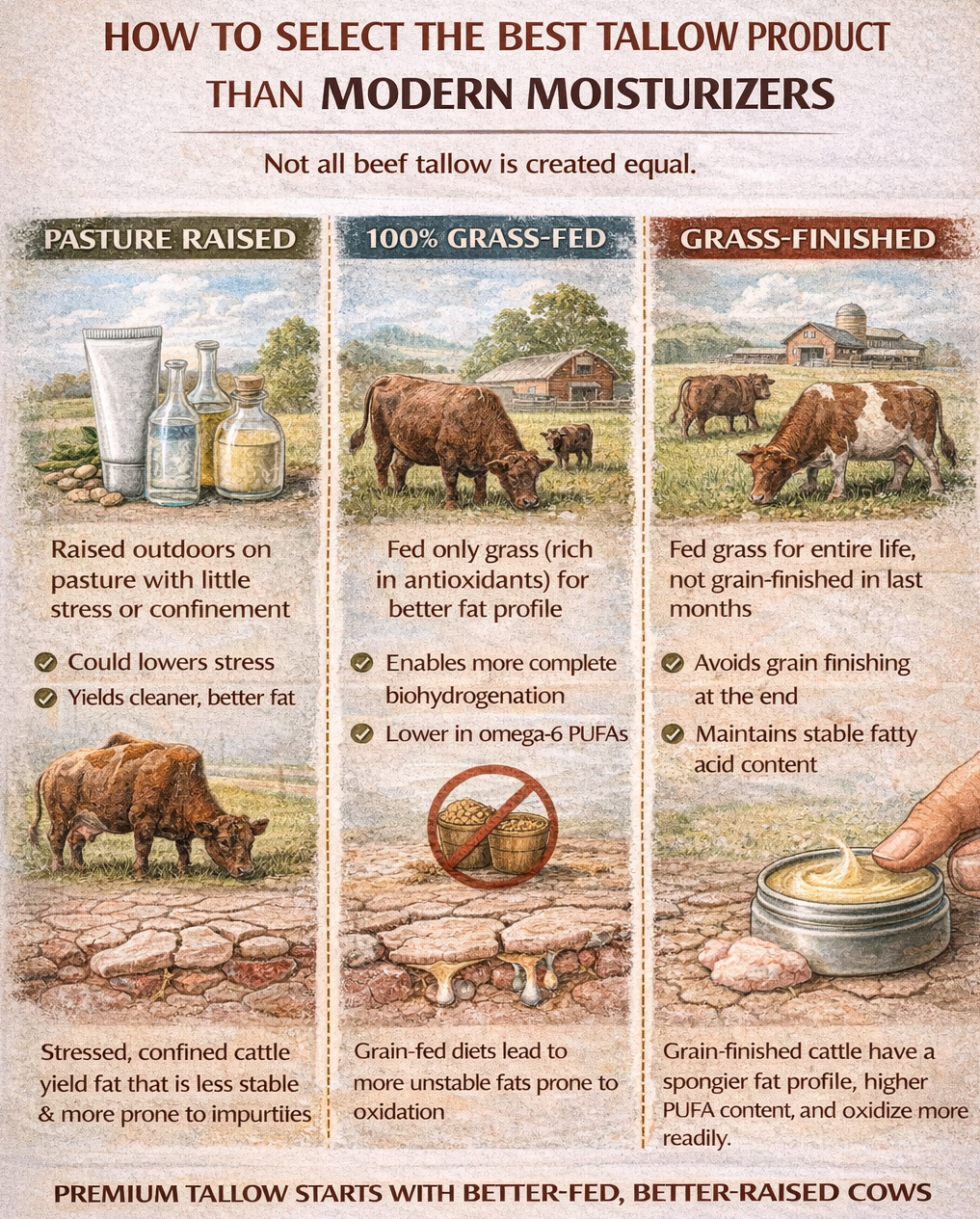
Beef tallow is only as good as the suet it’s rendered from, and the quality of that suet is shaped long before rendering ever begins. The cow’s environment, diet, and finishing practices all influence the chemical composition and stability of the end product.

High-quality tallow comes from cows that are

  • Pasture Raised
  • 100% Grass-Fed
  • Grass-Finished

In much the same way that any high-quality beef product falls under these categories, tallow is no different.

Each of these conditions affects fat differently, and importantly.

How to select the best beef tallow

Why Pasture Raised Matters

Pasture-raised cattle spend their lives outdoors, moving, grazing, and experiencing normal metabolic cycles. This matters because chronic stress and confinement alter fat metabolism.

Stressors common in confined and intensive feeding systems—such as handling, transport, crowding, and environmental extremes—elicit systemic inflammatory responses in cattle, marked by increased pro-inflammatory cytokines (e.g., TNF-α and IL-6) and altered hormone signaling.

These physiological changes trigger changes in metabolism that affect how nutrients are distributed to the cow’s adipose tissue, including the suet. Research has shown that stressed animals exhibit a different hormonal and immune system profile than that of animals in more natural, low-stress environments (Cheng et al., 2022).

Cattle raised on pasture, with natural forage diets and lower stress from being able to roam free, show differences in fat composition and metabolism compared with animals finished on grain (Duckett et al., Journal of Animal Science; Alfaia et al., Meat Science). From a practical standpoint, they also have cleaner fat depots, less contamination from environmental residues, and more consistent tissue quality.

For making high-quality beef tallow, this means a cleaner starting material that renders more predictably and produces a more stable end product.

Why 100% Grass-Fed Matters

Grass-fed cattle consume diets that are lower in omega-6–rich fats, higher in fiber, and free from concentrated starch. This enables a more complete biohydrogenation, converting unstable polyunsaturated fats (PUFA) into saturated fats such as stearic and palmitic acids and monounsaturated fats such as oleic acid (Jenkins et al., 2008).

Grain-heavy diets increase the proportion of residual PUFAs that escape full biohydrogenation and end up stored in body fat. When that occurs, it makes the fat more prone to oxidation once rendered and exposed to air.

If you’re going to use tallow on your skin, lower PUFA content means greater oxidative stability and a reduced likelihood of irritation over time.

Why Grass-Finished Matters Most

Did you know that “grass-fed” doesn’t mean that it was fed grass its entire life?

It’s supposed to carry that meaning, and the United States Department of Agriculture (USDA) is actually pretty clear-cut on the definition of grass-fed:

“Animals are fed only grass and forage, with the exception of milk consumed prior to weaning.”

The problem is that the term grass-fed has serious marketing value, and enforcement

In practice, it isn’t.

As detailed in a 2015 investigation by Civil Eats, most cattle in the United States spend a significant portion of their lives eating grass before being moved to feedlots and grain-finished for the final months prior to slaughter.

Many cattle are grass-fed early in life and grain-finished later to accelerate weight gain. That final feeding phase disproportionately affects fat composition because visceral fat is metabolically responsive, late dietary changes are rapidly reflected in stored fat, and grain finishing sharply increases PUFA when it has the most effect: right before the animal is used for sustenance and products..

Unlike USDA organic certification, which requires extensive audits and third-party verification, “grass-fed” is regulated as a marketing claim rather than a production standard.

Producers are allowed to just self-certify that the cows were grass-fed. Combine that with oversight split among different USDA agencies that don’t consistently communicate and coordinate, and the result is limited enforcement, incomplete record-keeping, and consumers having to hope that the rules were followed.

While the grass-finished label on cattle is still treated as a marketing claim, it’s one that’s far rarer because grass-finished beef is significantly more expensive to produce relative to just grass-fed. People don’t mind paying, but with that comes a new level of scrutiny, so most farmers avoid it.

Suet made from grass-finished beef produces tallow with a more stable fatty-acid profile, lower susceptibility to oxidation, and greater consistency between batches.

This translates into tallow with a longer shelf life, a more predictable texture, and a better product for your skin.

Now that we’ve covered the supply side of tallow and what to look out for, we have to examine the differences between the two primary production models: wet and dry

Dry Tallow vs Wet Tallow: You Need To Know The Difference

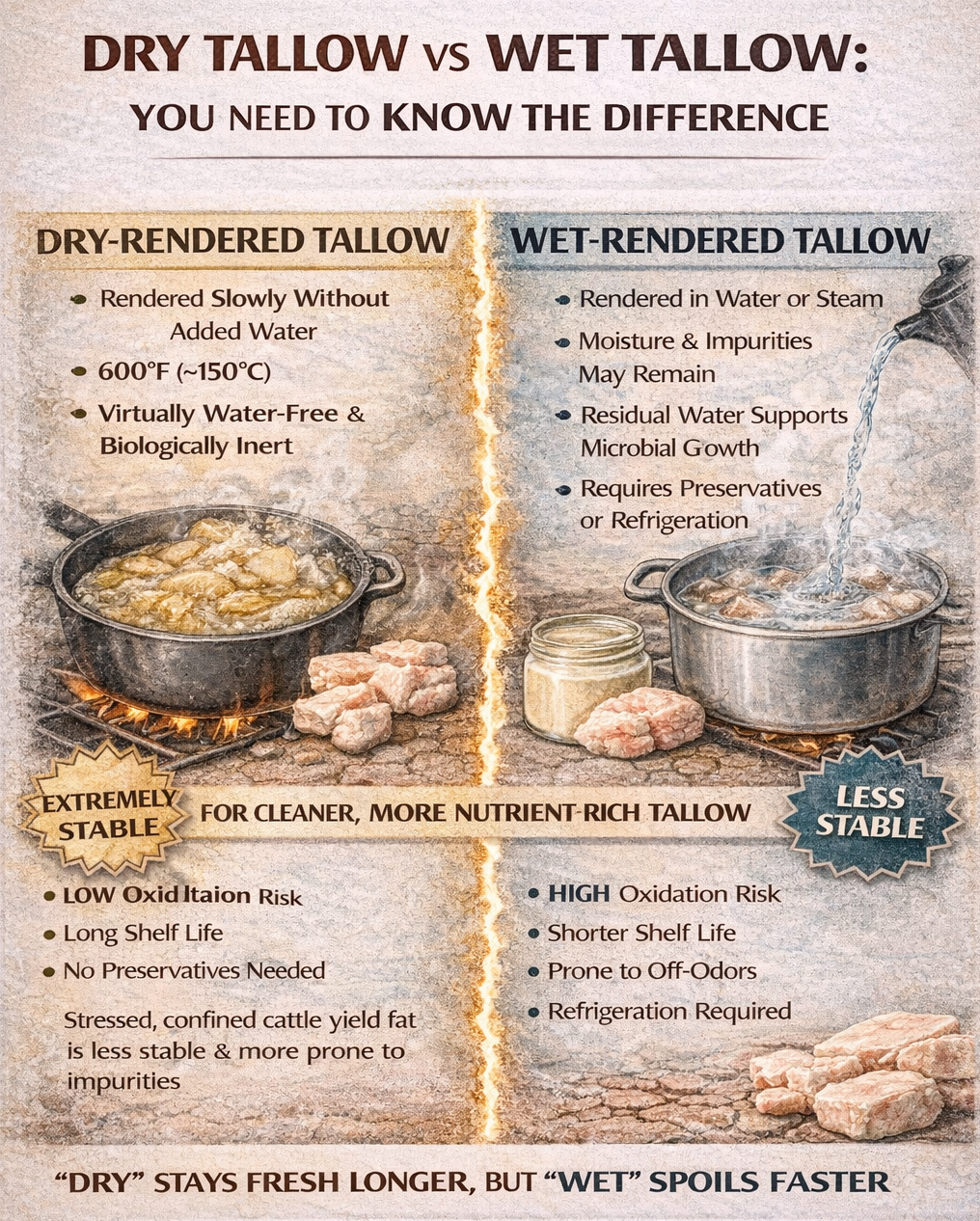
The difference between wet-rendered and dry-rendered tallow has real consequences for stability, shelf life, and skin tolerance.

And, unlike trusting that your cow was actually let out to pasture to graze on grass for its entire life, the difference between “dry” and “wet” tallow is much easier to discern.

difference between wet and dry rendered tallow

What “Dry-Rendered” Tallow Means

The process of dry rendering involves slowly heating suet without added water. As the temperature rises, the fat melts out of the tissue, while residual moisture evaporates and proteins denature.

The end result is a tallow that is virtually water-free, free of soluble proteins and enzymes, highly resistant to microbial growth, and structurally intact at the fatty-acid level.

Because bacteria, fungi, and enzymatic reactions all require water, dry-rendered tallow is biologically inert. This makes it exceptionally stable for topical use.

What “Wet-Rendered” Tallow Means

Wet rendering uses added water or steam to extract fat. While this can increase yield and speed up processing, it introduces tradeoffs.

Wet-rendered tallow often retains trace moisture and can carry water-soluble proteins or impurities. As a result, it typically requires more aggressive filtration or the use of preservatives and has a shorter shelf life once exposed to air

Even small amounts of residual water can support microbial growth, increase hydrolytic rancidity, and reduce long-term stability on the skin.

For food applications, this difference may be negligible. For skincare, it matters.

Why This Difference In Rendering Tallow Matters for Skin

No one’s skin is perfectly clean and sterile, but unstable lipid products can worsen irritation rather than relieve it. For example, the damaging effects of linoleic acid—a polyunsaturated fatty acid that’s unstable—on the skin’s protective lipid barrier (Angelova-Fischer et al., 2025).

Dry-rendered tallow does not introduce water that could disrupt the skin barrier. It is less likely to oxidize or break down on the skin surface, reducing the risk of irritation caused by degraded proteins or enzymes.

Wet-rendered tallow is more prone to developing off-odors over time, to break down during storage, and to trigger irritation in sensitive or inflamed skin.

For anyone using tallow as a barrier-supportive moisturizer, these differences are not just theoretical. They directly affect performance and tolerance.

My experience using VanMan beef tallow products

I purchased my beef tallow products from The VanMan company.

I chose them because I talked to the founder and I know that they source their tallow from ranches in the Dakotas and a farm in Colorado called Fatworks.

VanMan Company tallow sourcing informationVanMan also adds natural ingredients to their products to further enhance their effectiveness and heal and repair your skin, making it more beautiful and vibrant.

While there’s nothing inherently gendered about any of the marketing or packaging of The VanMan company, men don’t take their skin as seriously as women tend to, and that’s a shame. I bring that up to say that, gentlemen, you definitely need to start using VanMan’s beef tallow products because they will make you look better, younger, and much more attractive

The ladies are already ahead of you in their skin game. But this stuff works great for both sexes. Here is a quick review of the beef tallow products I started using in my routine from The VanMan Company.

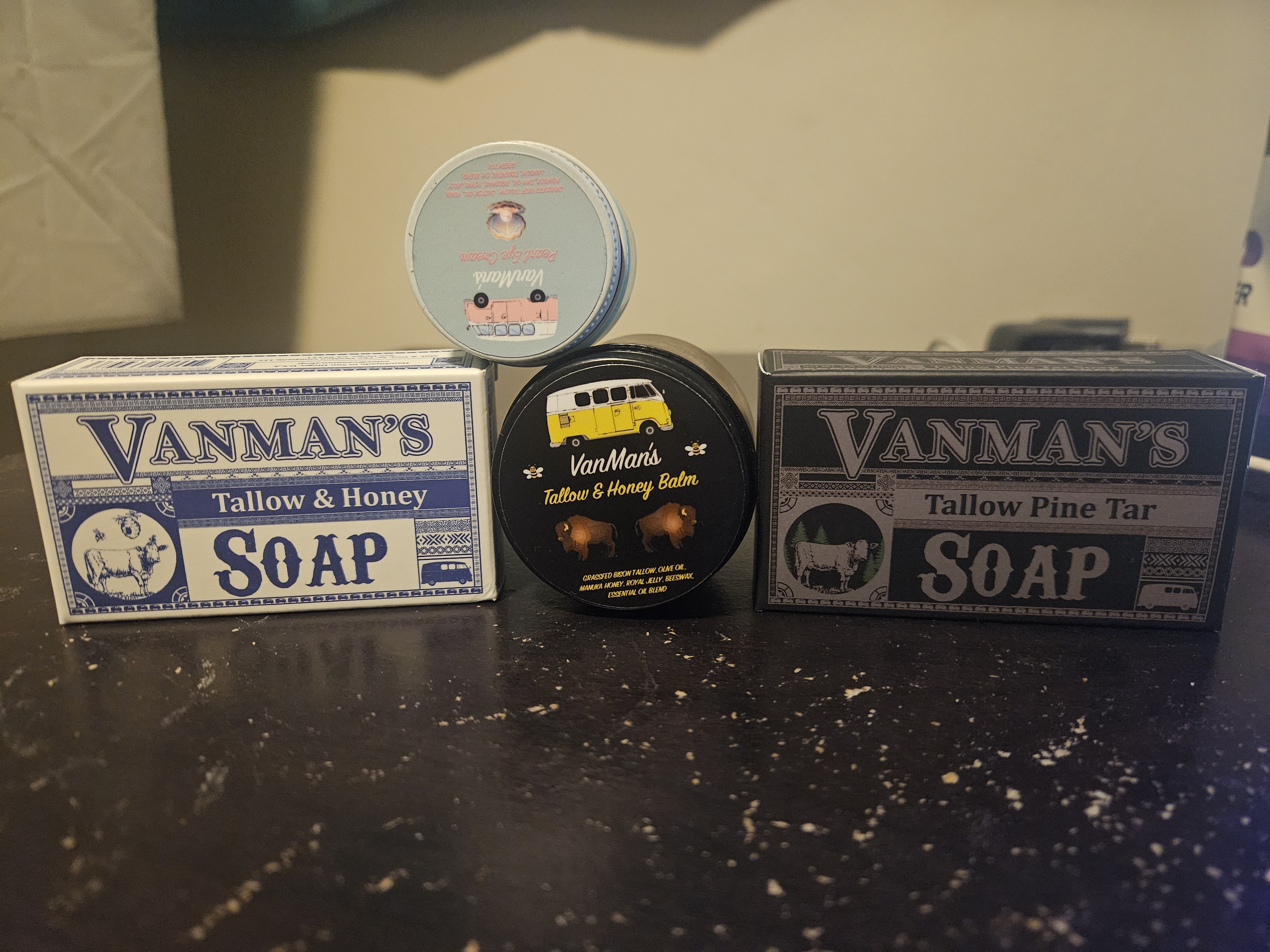
VanMan Product assortment

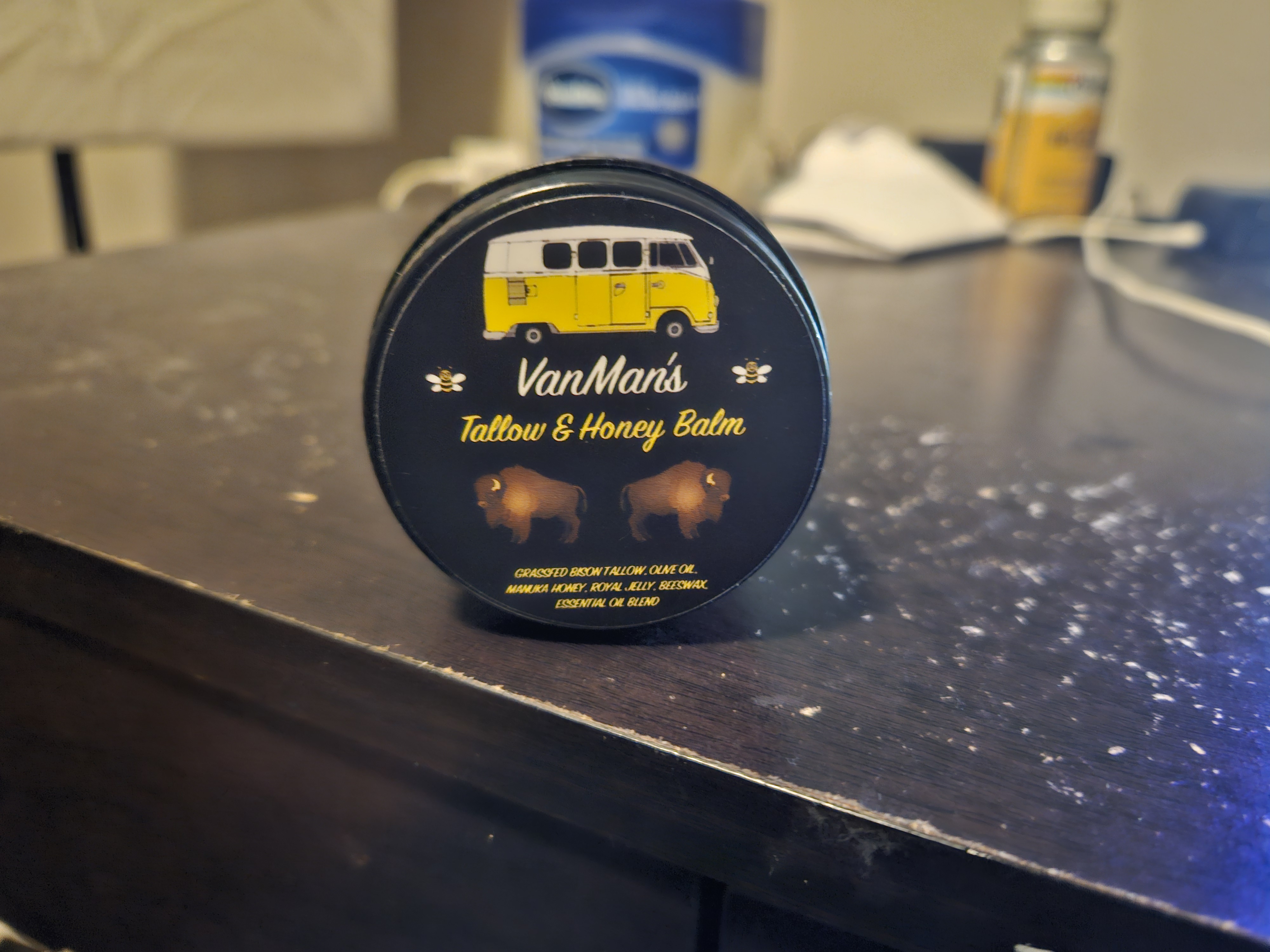
VanMan Bison Tallow & Honey Balm

 Vanman Honey Tallow Balm

My first impression of VanMan Bison Tallow & Honey Balm was how little I got for how much I spent. I knew I ordered a 2 oz. jar, but you might be a little shocked if you’re used to purchasing industrially manufactured products in plastic containers. More on this in a bit

 I’ve compared beef tallow topical products to Vaseline in this article. For comparison, a standard jar of Vaseline is 13 oz., and the Bison Tallow & Honey Balm is 2 oz.
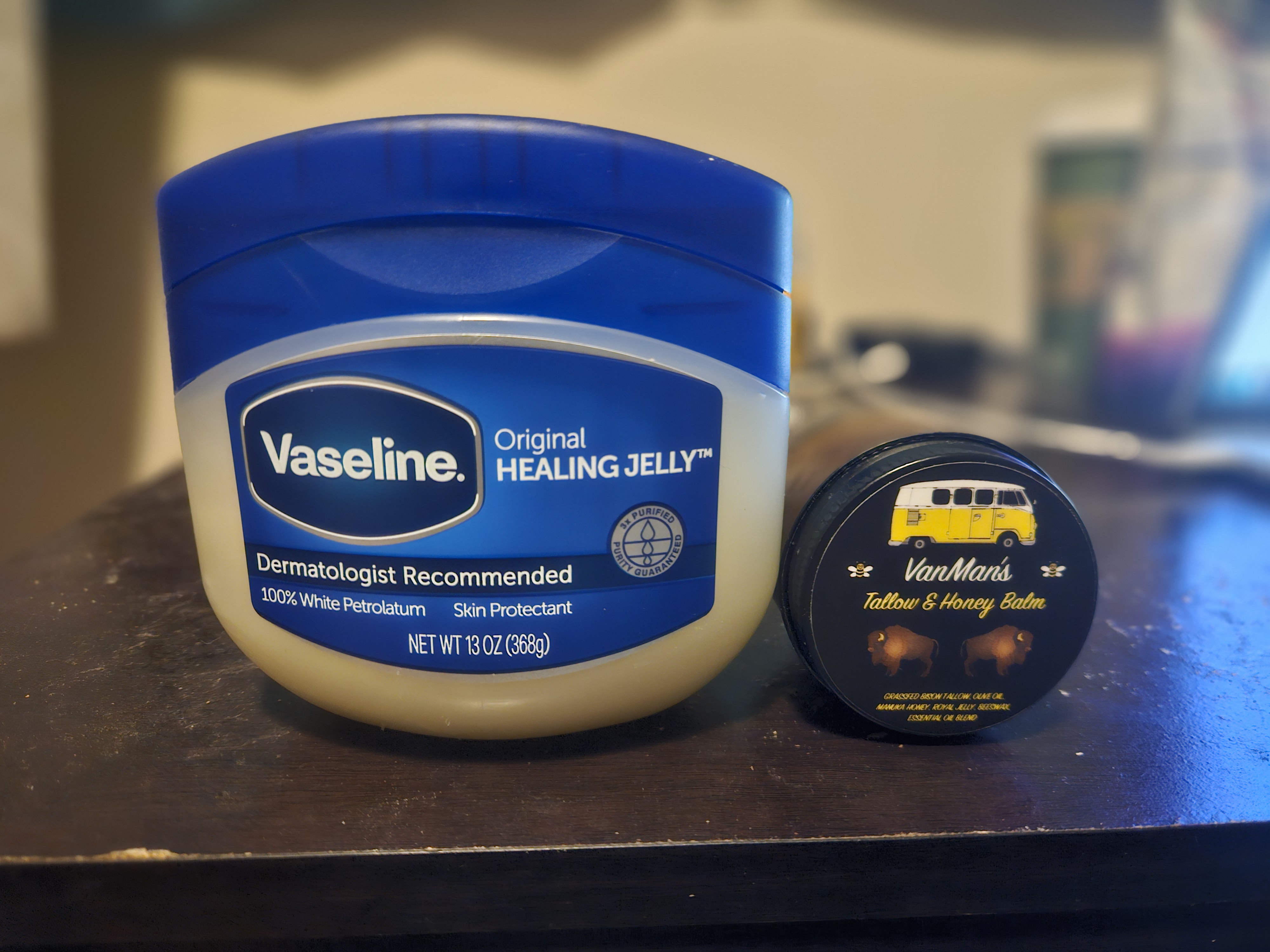
 Vaseline to tallow size comparison

The Bison Tallow Honey Balm is $111. That does include free shipping, which is a nice perk. A jar of vaseline is $7.

Of course, this is not exactly an apples-to-apples comparison. Bison Tallow Honey Balm is their most expensive product because Bison is more expensive than cow beef.

The Bison Tallow Honey Balm is also infused with a lot of great natural additions, like:

  • Raw Manuka Honey 850+ Mg/kg of MGO
  • Organic Royal Jelly
  • Organic Beeswax
  • Organic Cold-Pressed Extra Virgin Olive Oil

As well as a blend of the following essential oils:

  • Rose
  • Sandalwood
  • Copaiba Balsam
  • Frankincense Serrata
  • Frankincense Carteri
  • Rosalina
  • Neroli
  • Palmarosa

If you aren’t a fan of the essential oils, The VanMan Company also sells essential-oil-free version of the Bison Tallow Honey Balm.

Also, I just happened to pick up the most expensive beef tallow bam that VanMan offers. VanMan also sells:

There’s also an essential-oil-free version of the Tallow and Honey Face Balm.

Once I got over my shock at the size of the tin, my beef tallow balm arrived, and I opened it and put some on my skin. The moment I touched it, I understood that 2 oz. was actually a great value.

You do not need a lot of tallow because it spreads easily, and a little bit goes a long way on your skin. Compared to Vaseline, a much smaller dollop covered a much larger surface area of my skin.

I barely used any on my lips as well, but hours later, I’m showing any signs of gray, ashy skin—and I’m writing this in the midst of a January cold snap.
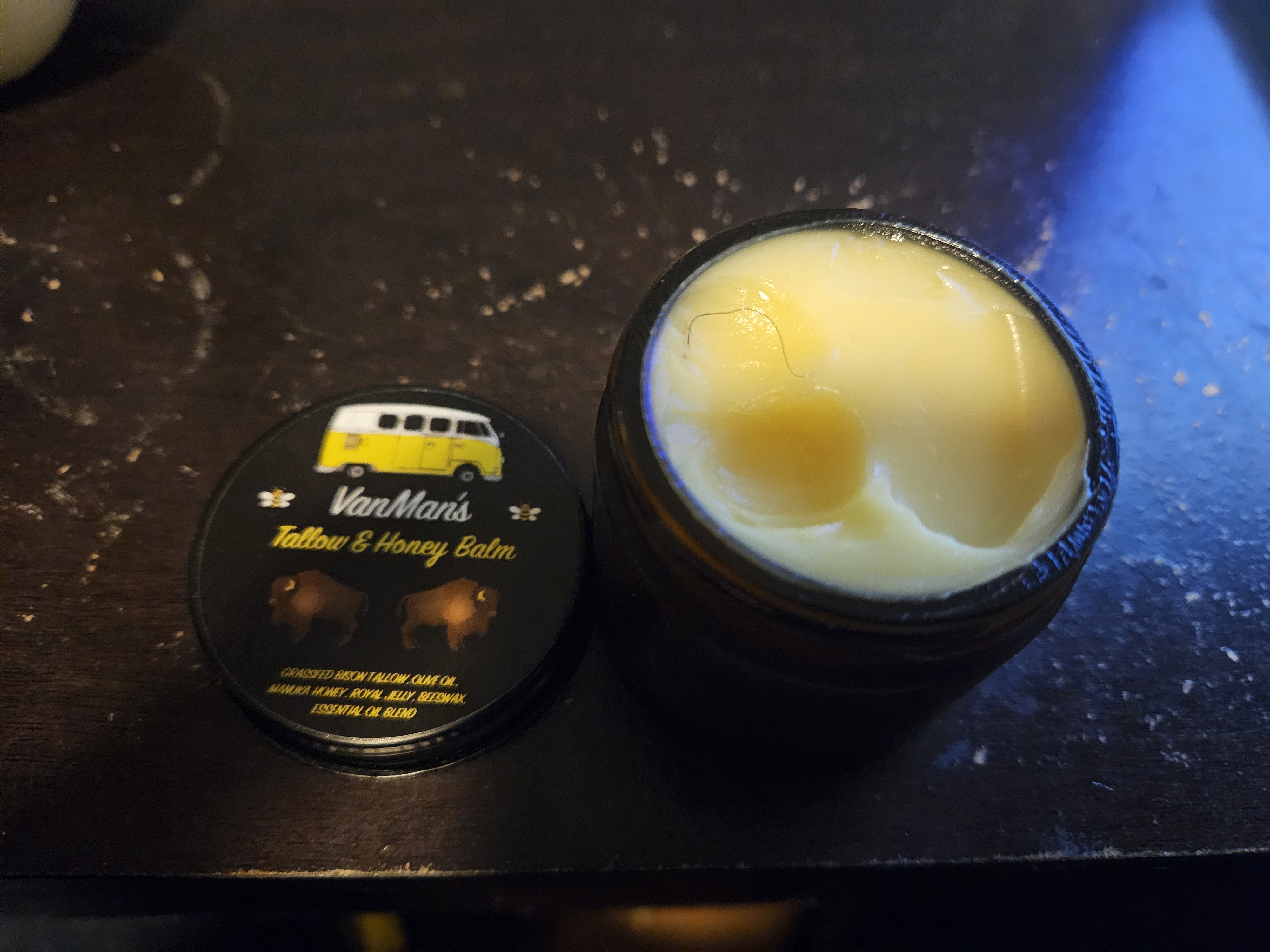
The amount of honey tallow balm needed

It doesn’t feel as light as lotion, but that’s to be expected. However, it doesn’t feel nearly as heavy as Vaseline and, in my experience, protects your skin just as well.

Obviously, the price is a little higher than your standard bottle of lotion or Vaseline, but it doesn’t come with any extra chemicals or irritants, it mirrors your skin’s biology, and it works better than lotion at keeping moisture in your skin and just as well as Vaseline.

It’s a lot like how manufacturers load a potato chip bag up with air. You feel like you’re getting more, but once you’re shocked when you crack open the bag. Modern mass skincare is like that.

VanMan’s Bison Tallow—and all of the other tallow it offers, I’m assuming—is the exact opposite. The tallow came in a glass jar (great for avoiding BPA from plastic), it’s full, and it lasts a long time because a little goes a long way.

One more thing about Bison Tallow and Honey Balm. It has a gentle, masculine smell. My wife immediately commented on it.

That’s the best way to describe it, and it’s a result of the essential oils added. Tallow, by itself, doesn’t smell bad, per se—but it’s not something you’d ever describe as pleasant.

Grab some Bison Tallow and Honey Balm here.

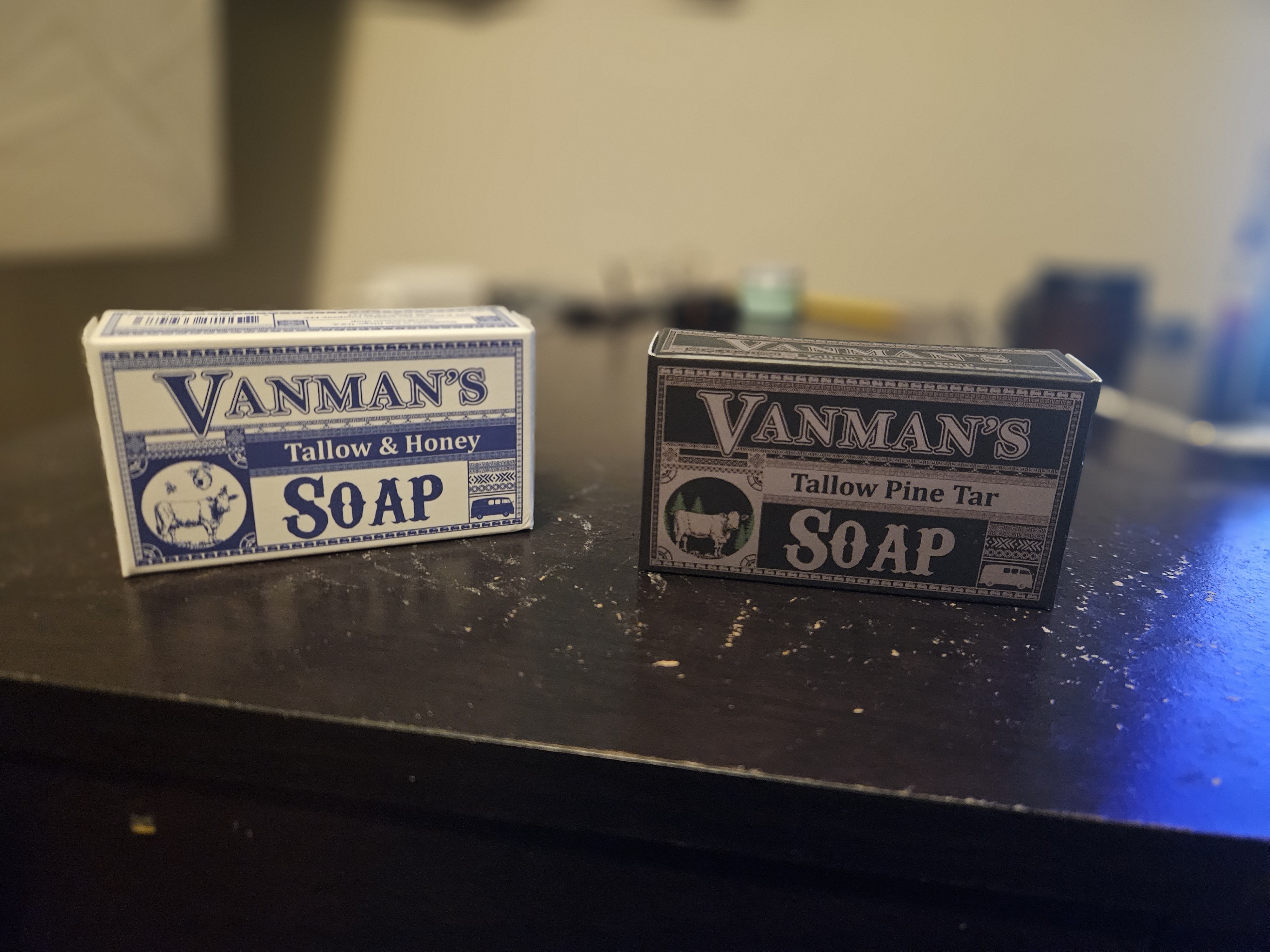
VanMan’s Tallow Soaps

VanMan Tallow Soaps

The Vanman Company also sells soaps made of tallow. I’m sure other tallow product vendors offer them, but this was the first time I’d ever heard of them.

Since I was looking to improve my entire skin care routine—especially as a black man who lives in a place that spends at least 4 months out of the year cold, dry, and windy—I figured I should try these out too. Every little bit helps in the fight against ashy skin.

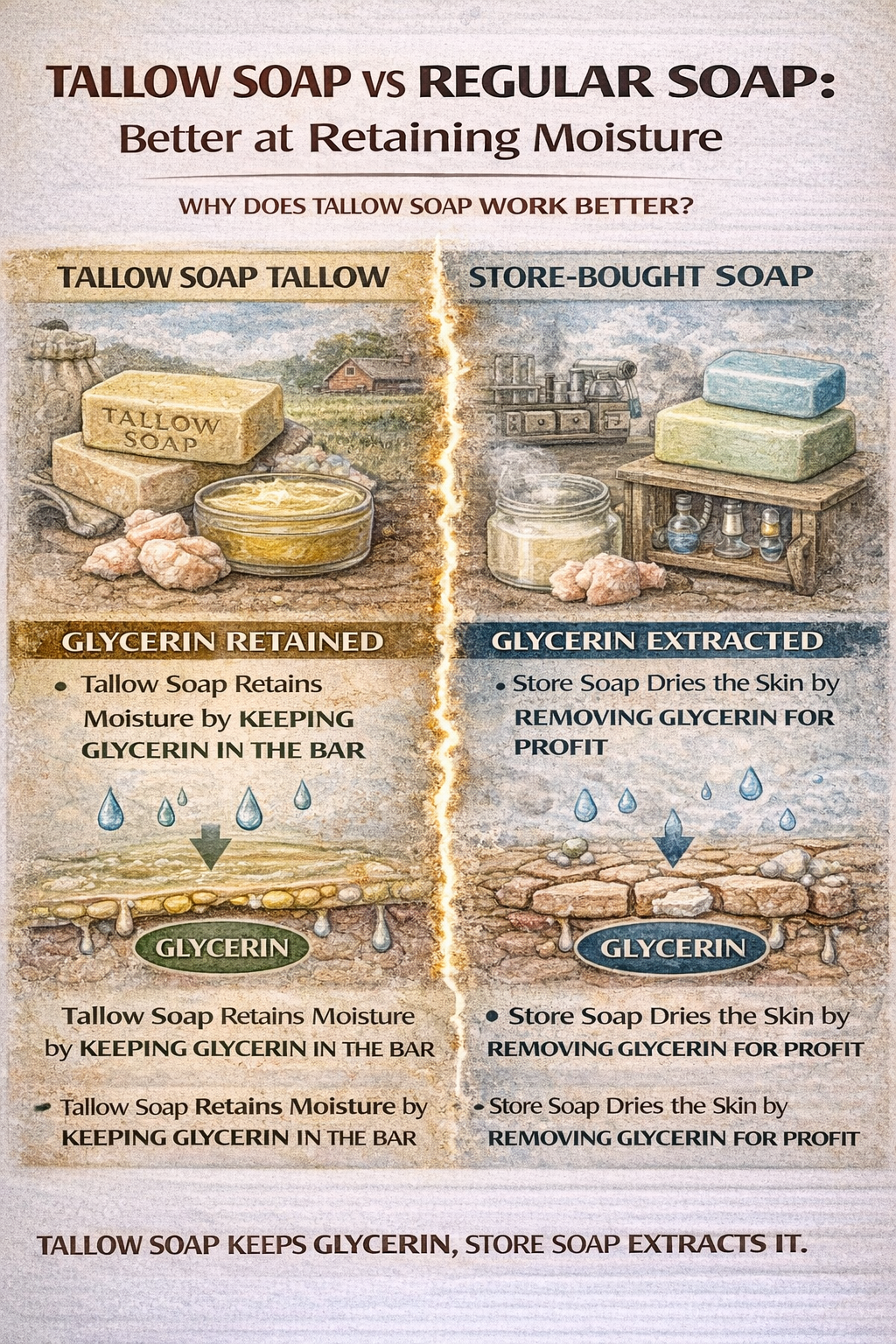
Is tallow soap better than regular soap? The science and my own experience

So tallow soap behaves differently from traditional soap because of how it’s made, and it comes down to a chemical called glycerin.

Glycerin is a “humectant,” meaning it’s a substance that draws moisture in. An example you’re familiar with is aloe vera, and it’s one of the reasons it’s a great moisturizer. Honey is also another humectant, and it’s probably why VanMan infuses the balm with it.

Soaps made from my industrial process—pretty much anything you buy from the store—remove the glycerin because glycerin is more valuable as a standalone product. It’s sold for use in lotions, toothpaste, and even pharmaceuticals.

Now, it’s not that tallow soap makers can’t extract the glycerin to make an extra profit. Extracting glycerin is an industrial-level activity, where the cost only exceeds the value at scale.

You need to extract large quantities of glycerin to make a profit, and this requires specialized machinery. The time and money spent on that would not only be a waste but also make the tallow less effective at helping your skin retain moisture.

Difference between tallow and regular soapIn practice, this means that the soap should help your skin retain moisture. While I can say I was definitely not as dry as I normally am after a few minutes out of the water, I wouldn’t use the soap without the afterwaters balm. It’s not THAT good at retaining moisture.

With that said, it’s a hell of a lot better than just using bar soap. Furthermore, I suspect that in the summer, it will be good enough to get away with using only soap. But again, since I’m writing this in the middle of January, only time will tell.

I picked up the:

  • Pumpkin Spice Tallow Soap. Made with 100% grass-fed & finished suet beef tallow, pumpkin puree, pumpkin powder, pumpkin spice blend, and essential oils.

    It definitely spells like pumpkin spice, which is actually quite pleasant and got some nice compliments from my wife. This one is also listed on the site as “limited run,” so who knows how long it will last.
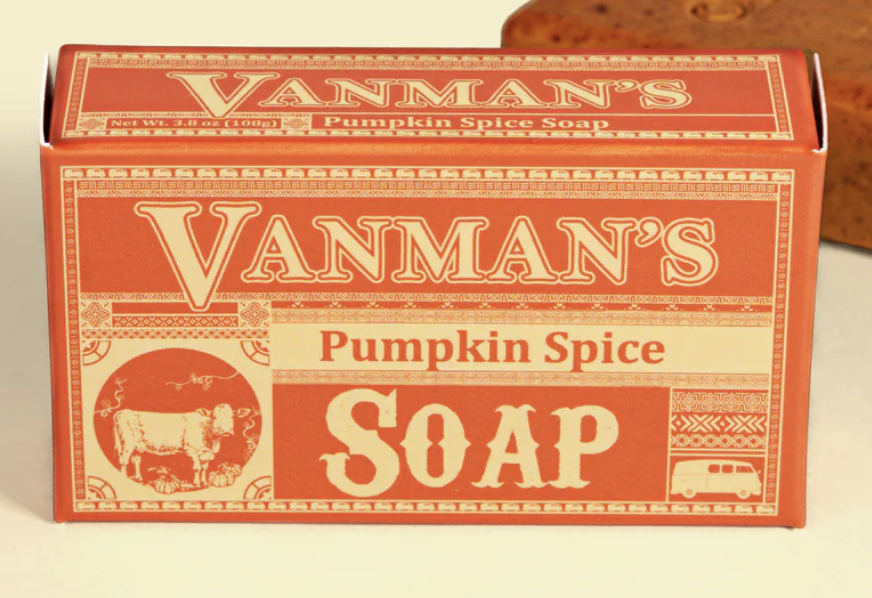

    VanMan Pumpkin Spiace Tallow Soap

  • Pine Tar Tallow Soap. Made with 100% grass-fed & finished suet beef tallow, pine tar, oatmeal, orange oil, frankincense oil, tea tree oil, and activated coconut charcoal. This one is my favorite soap. First, this one has a great smell. I’d define this as a masculine smell, almost like a musk, but “softened” by the pine tar.
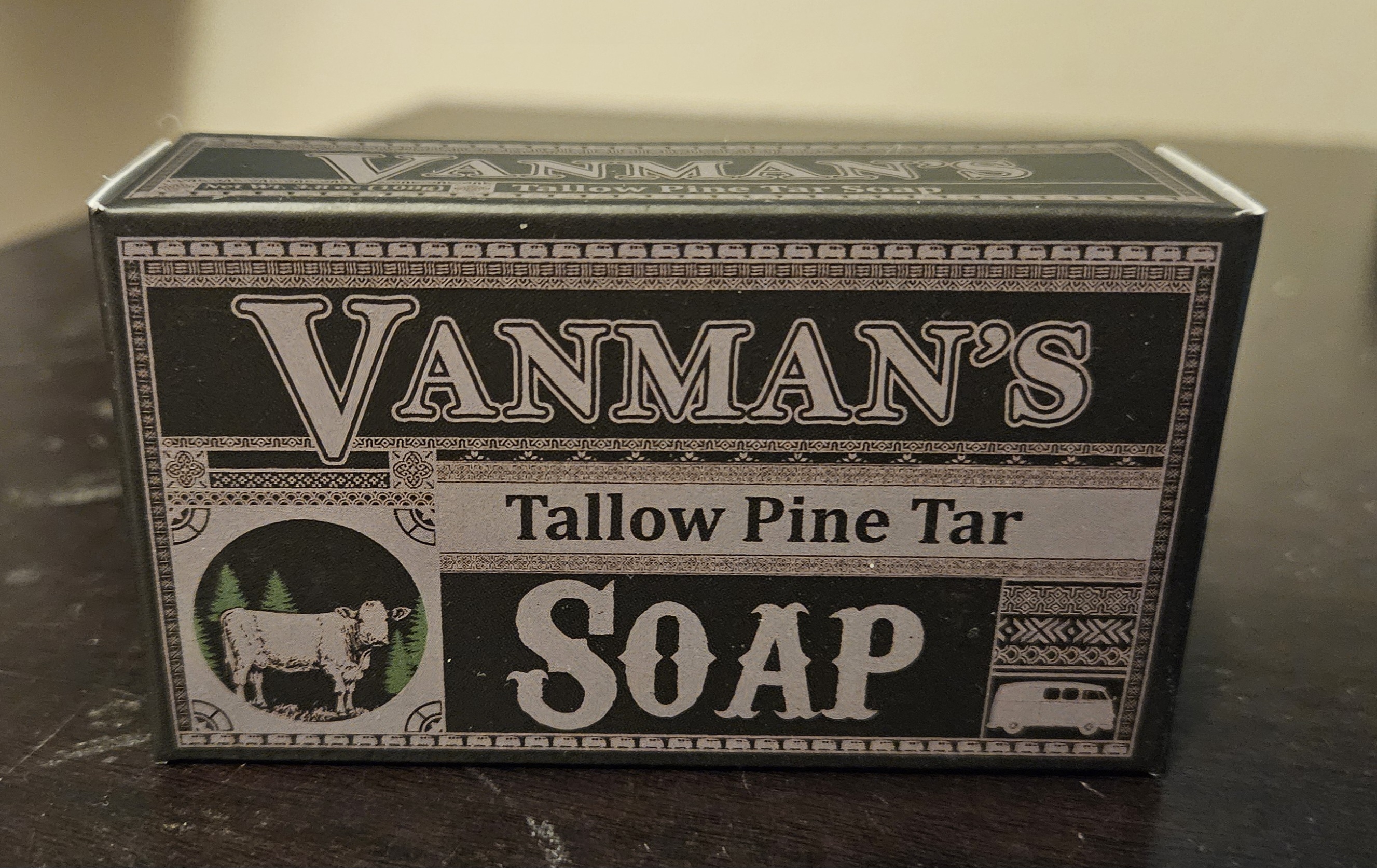

    van man pine tar soap

    Also, tea tree oil is a powerful antimicrobial agent (Carson et al., 2006), and activated coconut charcoal (Lua & Yang, 2004) enhances the soap’s ability to remove dirt without adding harsh cleansers or detergents.

  • Honey and Tallow Soap. Made with 100% grass-fed & finished suet beef tallow, honey, and vanilla beans. While vanilla definitely has a scent, and honey has a slight one, this is unscented. This is a great option if you aren’t af fan of fragrances, naturally added or otherwise.
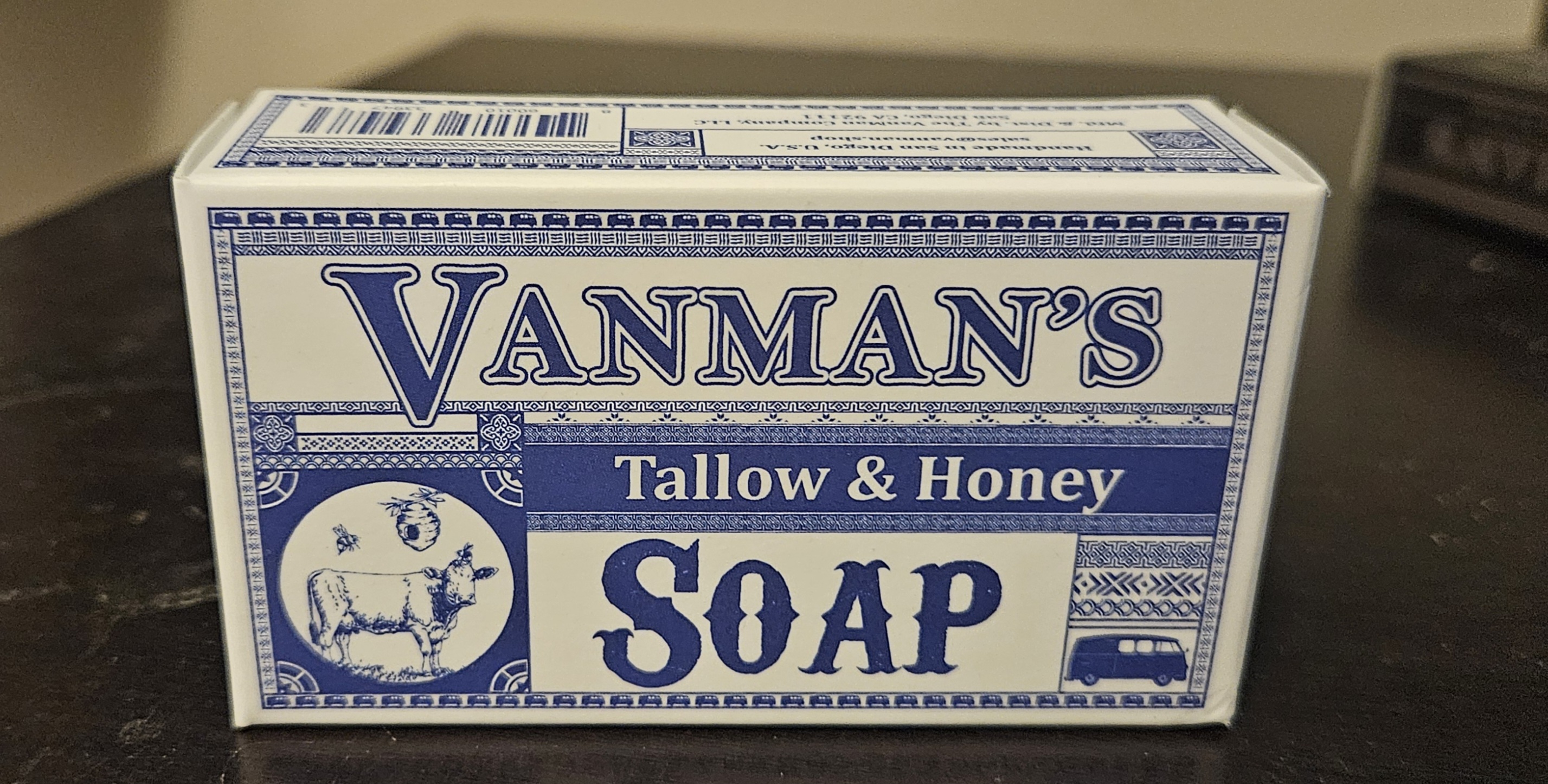
    Van man honey and tallow soap

VanMan also offers a tallow and coconut soap, which I’ll try next.
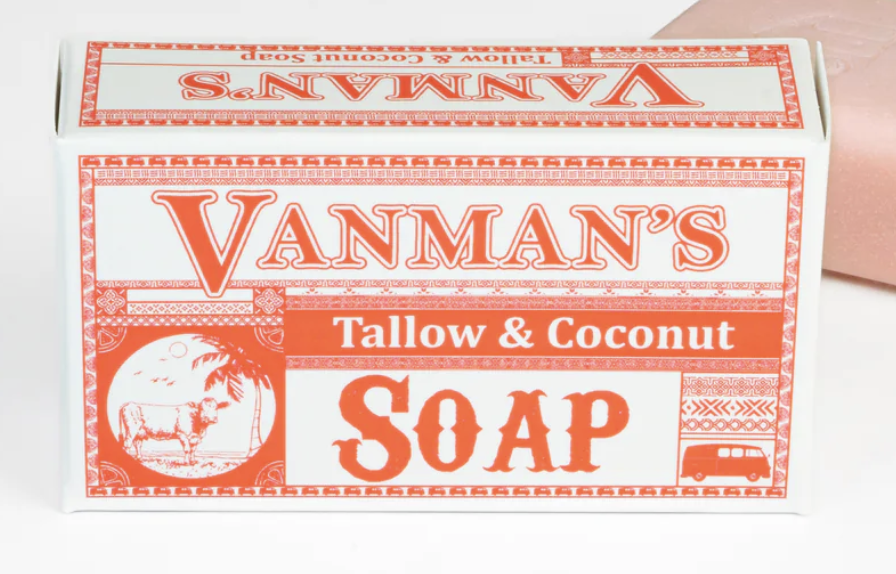
VanMan Tallow and Coconut Soap

I’m pleased with the soaps; they smell great, and they are making my skin softer and less likely to be ashy. I’ll see if they can let me stop using moisturizer altogether in the summer when the air isn’t as dry.

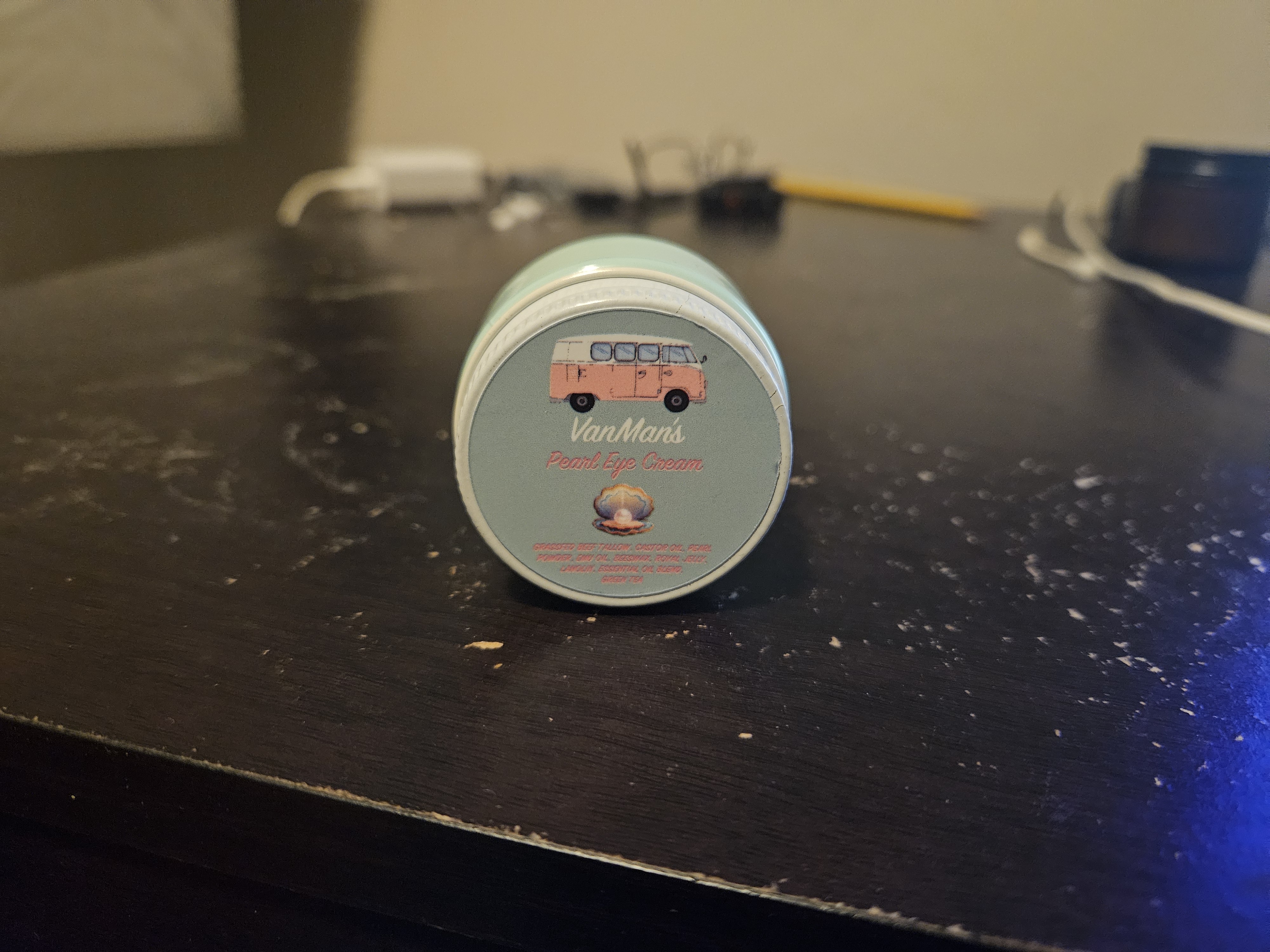
VanMan’s Pearl Eye Cream

VanMan Pearl Eye Cream

I have never used an eye cream before, so I didn’t really know what to expect. I asked my wife some questions about it, and it seemed like a good way to continue my skin-improvement journey.

If you don’t know—like I didn’t—eye cream is for the delicate skin around the eyes. My first thought was, shouldn’t a regular moisturizer do the trick? Well, that delicate skin means that it’s easier for anything to permeate that layer and get into the eyes. It also means the skin is more sensitive to irritation and can dry out more easily. So you need something that handles all of these issues so you don’t end up with wrinkly eye skin.

Based on what my wife told me—and what I confirmed through my own research—½ oz. is about the standard size for eye cream.

This eye cream is essentially a controlled occlusive system.

The tallow, lanolin, beeswax, emu oil, and castor oil create a protective lipid layer that dramatically reduces water loss in the thin skin around the eyes. This is important because most “eye wrinkles” people complain about are just dehydration lines. When you seal moisture in effectively, those lines soften fast. Not permanently, but noticeably.

The added ingredients—green tea, royal jelly, pearl powder, and essential oils—play a supporting role.. Green tea brings mild antioxidant support, royal jelly adds some skin-conditioning benefits, and pearl powder contributes more to cosmetic finish than anything transformative.

I’m only 40, but the best way to get rid of wrinkles is to not get them in the first place. So I’ll probably continue with this, if for no other reason than I actually notice a difference in the “freshness” of my eyes.

No one thinks I look my age now, and I’m confident that this product will keep it that way. With that said, this eye cream is on the pricier side.
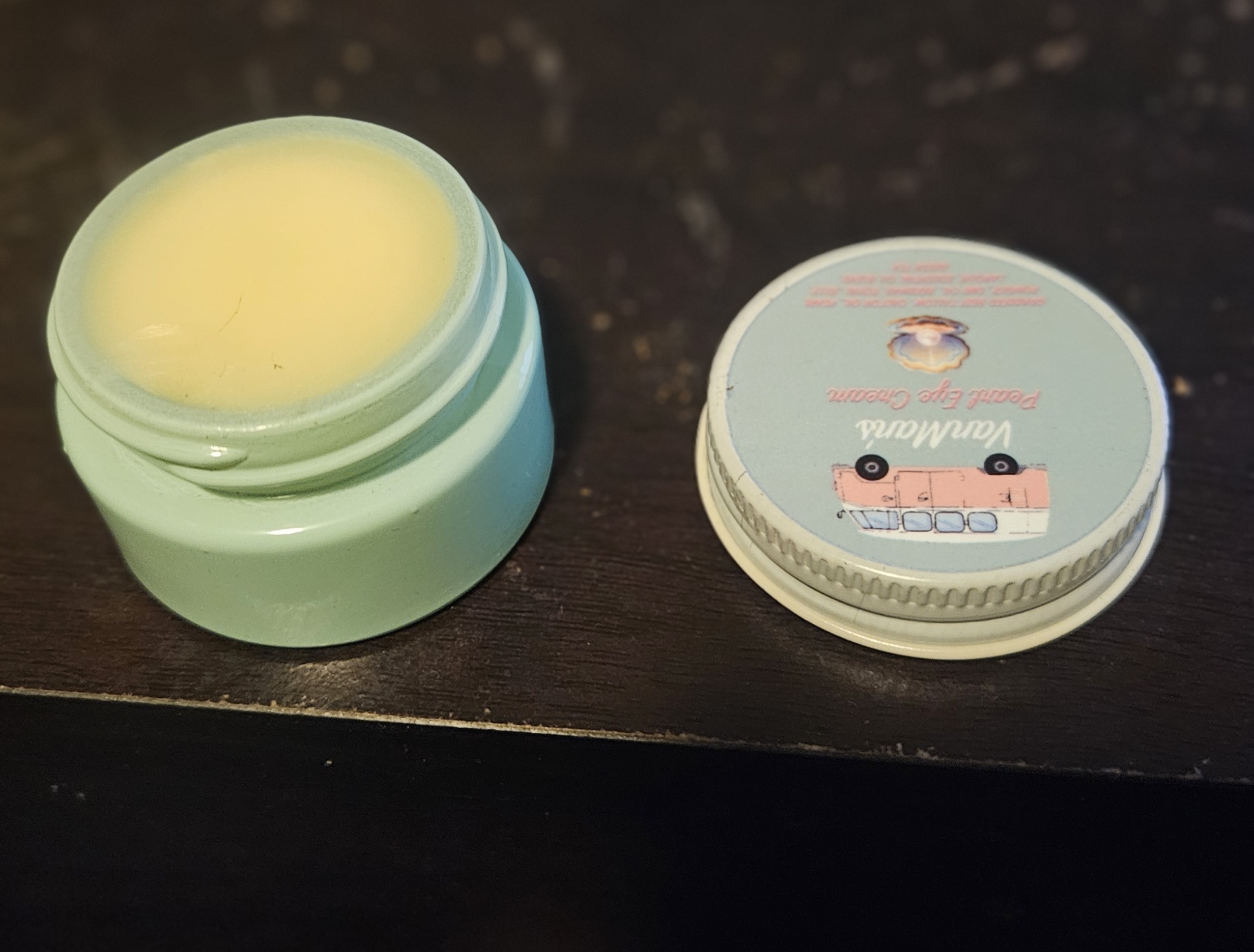
 VanMan eye cream amount

But again, you’re getting a high-quality product, free of any artificial additives or harsh chemicals, and—just like the other tallow balm products—comes in a metal tin.

Plus, despite its $56 price tag, eye cream lasts a good while. I’m new to this, but based on how much I put on my eyes, this will last a while.

Check out VanMan’s Pearl Eye Cream here.

What do dermatologists think about beef tallow for skin?

Dermatologists largely agree on a few “selling points” of beef tallow as a skin product..

They all agree that beef tallow can effectively moisturize skin, especially very dry skin. That’s good news for my fellow ashy folks. Board-certified dermatologists at HMGS Dermatology acknowledge that tallow’s fatty acid composition resembles human sebum, which helps explain why some users experience softer, more comfortable skin.

Dermatologists also agree that beef tallow does not replace sunscreen or active treatments. No fat-based product provides meaningful UV protection or addresses conditions like hyperpigmentation, acne, or photoaging on its own.

Now that runs contrary to what the research says about the effect of removing PUFAs from your skin, but the dermatological stance seems motivated by the need to clarify. While I’ve never seen a beef tallow product claim to be a replacement for sunscreen, it’s important to make sure that people don’t get any bright ideas.

Where Dermatologic Caution Comes In

The strongest reservations focus on comedogenic risk, regulation, and quality control.

Dermatologists at MD Anderson Cancer Center describe beef tallow as a “very extreme moisturizer.” For patients with severely dry skin, it may help. For anyone prone to acne, however, its occlusive and oil-rich nature raises legitimate concerns about breakouts—especially when used on the face.

Another common critique is that tallow lacks ceramides, which are widely used in commercial moisturizers to support barrier repair. This doesn’t mean tallow can’t support the barrier; it means dermatologists tend to prefer ingredients with well-characterized, standardized mechanisms of action.

There is also concern about product variability. The composition of tallow depends on the animal’s diet, health, and rendering method. From a medical perspective, that variability introduces uncertainty. Dermatologists are trained to minimize uncertainty when making recommendations—particularly for adolescents or patients with inflammatory skin conditions.

Finally, there is broad agreement that robust clinical research on topical tallow is limited. While its individual components are well studied, the product itself has not been evaluated in large, controlled cosmetic trials. This absence of data explains why dermatologists default to established moisturizers with decades of safety and performance evidence.

Where Opinions Diverge

Some dermatologists take a more cautious-neutral stance; others are openly skeptical.

In The Dermatology Digest, dermatologists such as Marisa Garshick, MD, acknowledge that tallow may soften skin and support the barrier, but emphasize the lack of regulation and research. Jeanine Downie, MD, goes further, advising against its use—particularly in teenagers—due to irritation and the risk of acne.

These stronger positions reflect clinical risk management, not evidence that tallow is toxic or inherently unsafe. Medical doctors tend to be overly cautious about non-FDA-approved treatments that are unregulated and appear to be influencer-driven fads.

Where Data Is Lacking on Beef Tallow—and Where It Isn’t

It’s important to remember that the absence of evidence is not evidence of harm.

There is no strong evidence that properly rendered beef tallow is dangerous when used appropriately.

At the same time, there is limited product-specific research demonstrating superiority over conventional moisturizers. That doesn’t make tallow useless. It places it outside the clinical default.

Final Verdict: Is Beef Tallow Worth Using on Skin?

It’s not magic, but it’s also not a gimmick.

Once you understand what it actually is and how it works, you realize why it behaves differently than most “modern” skincare.

It’s stable, free of contaminants, and helps the skin repair itself. It also makes your skin look fresher and younger by keeping moisture in rather than letting it escape.

And because its fat profile is dominated by saturated and monounsaturated fatty acids, it holds up better on skin than PUFA-heavy oils that oxidize easily and can irritate compromised tissue over time.

It’s also slightly but noticeably pricer than what you’re probably used to paying, but you didn’t find this article because you were trying to nickel-and-dime your way to better skincare. Besides, it kind of balances out anyway.

And the pine tar tallow soap probably does a better job at cleaning your skin than traditional bar soap. That’s just my speculation.

The VanMan Company has a great line up of products. I recommend you check them out and, if you buy something, I’ll keep a small commission at no extra cost to you.

You can think of it as saying “thank you” for this article.

References

Skin barrier, oxidation, and irritation

Angelova-Fischer I, Dobrev H, Fluhr JW. Oxidative stress and lipid peroxidation in skin barrier dysfunction and inflammatory skin diseases. Cosmetics. 2025;12(4):130. doi:10.3390/cosmetics12040130.

UV response, inflammation, and lipid mediators

Rhodes LE, Gledhill K, Masoodi M, Haylett AK, Brownrigg M, Thody AJ, Tobin DJ, Nicolaou A. The sunburn response in human skin is characterized by sequential eicosanoid profiles that may mediate its early and late phases. FASEB J. 2009 Nov;23(11):3947-56. doi:10.1096/fj.09-136077. Epub 2009 Jul 7. PMID: 19584301; PMCID: PMC2791058.

PUFA exposure and skin cancer risk

Vinceti M, Malagoli C, Iacuzio L, Crespi CM, Sieri S, Krogh V, Marmiroli S, Pellacani G, Venturelli E. Serum fatty acids and risk of cutaneous melanoma: a population-based case-control study. Dermatol Res Pract. 2013;2013:659394. doi:10.1155/2013/659394. Epub 2013 Jan 28. PMID: 23431289; PMCID: PMC3569884.

Mackie BS, Mackie LE, Curtin LD, Bourne DJ. Melanoma and dietary lipids. Nutrition and Cancer. 1987;9(4):219–226. doi:10.1080/01635588709513930. PMID: 3110746.

Omega-3s, UV immunology, and photoprotection pathways

Pilkington SM, Massey KA, Bennett SP, Al-Aasswad NMI, Roshdy K, Gibbs NK, Friedmann PS, Nicolaou A, Rhodes LE. Randomized controlled trial of oral omega-3 PUFA in solar-simulated radiation–induced suppression of human cutaneous immune responses. Am J Clin Nutr. 2013;97(3):646–652. doi:10.3945/ajcn.112.049494. PMID: 23364018.

Black HS. The role of nutritional lipids and antioxidants in UV-induced skin cancer. Front Biosci (Schol Ed). 2015 Jun 1;7(1):30-9. doi:10.2741/S422. PMID: 25961684.

Tallow composition, extraction, and topical formulation relevance

Limmatvapirat C, Limmatvapirat S, Krongrawa W, Ponphaiboon J, Witchuchai T, Jiranuruxwong P, Theppitakpong P, Pathomcharoensukchai P. Beef tallow: Extraction, physicochemical property, fatty acid composition, antioxidant activity, and formulation of lotion bars. J Appl Pharm Sci. 2021;11(09):018–028. doi:10.7324/JAPS.2021.110903.

Ruminant biohydrogenation and why beef fat is more saturated/stable

Jenkins TC, Wallace RJ, Moate PJ, Mosley EE. Board-invited review: Recent advances in biohydrogenation of unsaturated fatty acids within the rumen microbial ecosystem. J Anim Sci. 2008;86(2):397–412. doi:10.2527/jas.2007-0588.

Production system and fat quality in cattle

Duckett SK, Neel JPS, Lewis RM, Fontenot JP, Clapham WM. Effects of forage species or concentrate finishing on animal performance, carcass quality, and fatty acid composition of beef. J Anim Sci. 2009;87(12):4124–4133. doi:10.2527/jas.2009-2131.

Alfaia CM, Alves SP, Martins SIV, Costa ASH, Fontes CMGA, Lemos JPC, Bessa RJB, Prates JAM. Effect of the feeding system on intramuscular fatty acids and conjugated linoleic acid isomers of beef cattle, with emphasis on nutritional value and oxidative stability. Meat Sci. 2009;82(4):387–394. doi:10.1016/j.meatsci.2009.02.016.

Cheng J, Zan L, Zhong T, Wang J, Chen Y. Stress, inflammation, and immune responses in cattle under intensive production systems. Front Anim Sci. 2022;3:962748. doi:10.3389/fanim.2022.962748.

Ingredient support for soap add-ins

Carson CF, Hammer KA, Riley TV. Melaleuca alternifolia (tea tree) oil: a review of antimicrobial and other medicinal properties. Clin Microbiol Rev. 2006 Jan;19(1):50–62. doi:10.1128/CMR.19.1.50-62.2006. PMID: 16418522; PMCID: PMC1360273.

Lua AC, Yang T. Effects of activation temperature and heating duration on the properties of activated carbons prepared from pistachio-nut shells. J Colloid Interface Sci. 2004;274(2):594–601. doi:10.1016/j.jcis.2003.10.001.


Ed Latimore
About the author

Ed Latimore

I’m a writer, competitive chess player, Army veteran, physicist, and former professional heavyweight boxer. My work focuses on self-development, realizing your potential, and sobriety—speaking from personal experience, having overcome both poverty and addiction.

Follow me on Twitter.

Related ideas