MOTS-c Explained: Benefits, Dosage, Fat Loss, Side Effects & How It Works

MOTS-c is a mitochondrial-derived peptide involved in energy regulation, metabolic adaptation, and exercise signaling (Lee et al., 2015; Zheng et al., 2023).
Research suggests it may influence AMPK activation, insulin sensitivity, fat oxidation, mitochondrial function, endurance, and metabolic flexibility.
It is often described as an “exercise mimetic” because it appears to activate some of the same adaptive pathways that exercise itself stimulates.
What This Guide Covers
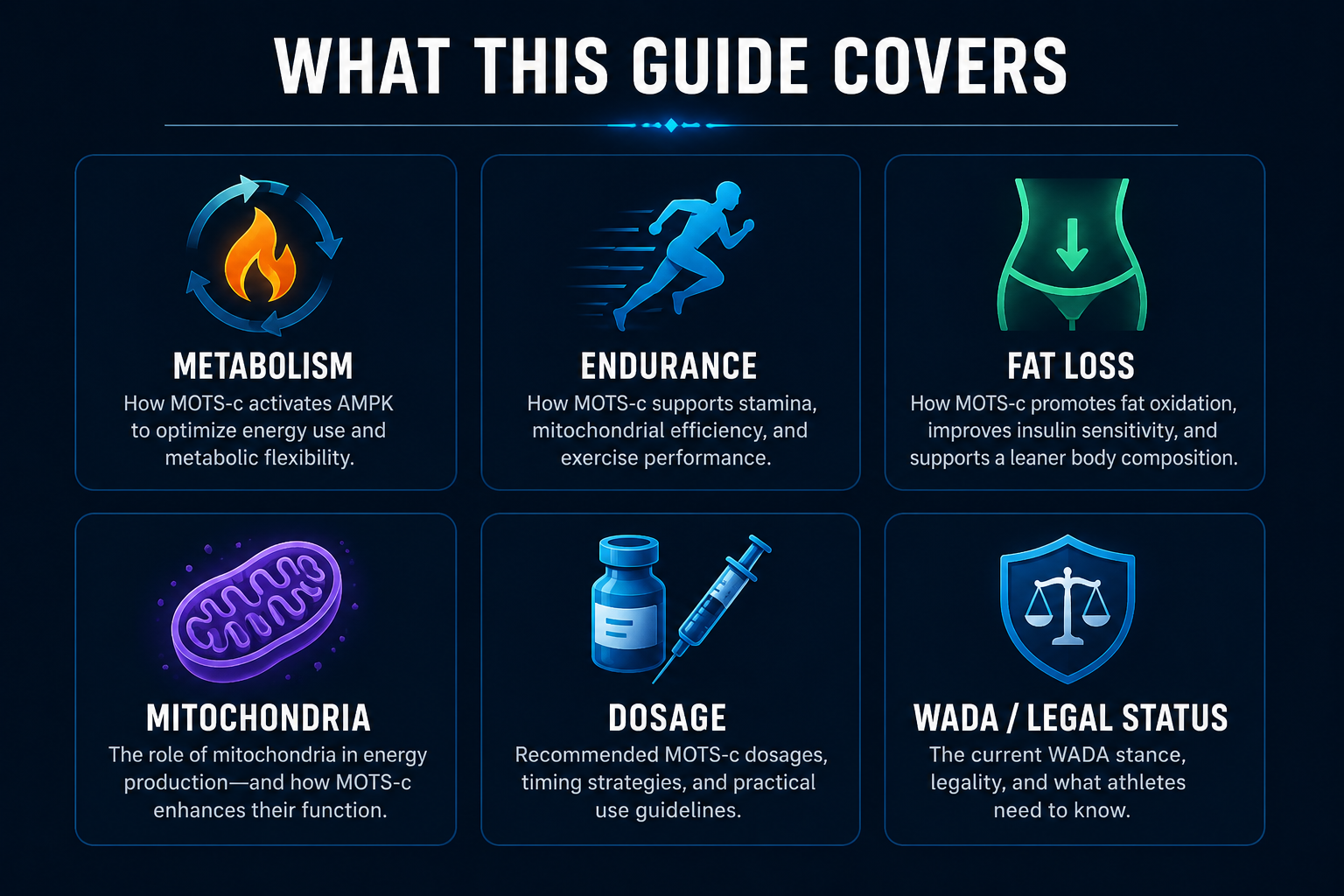
- What MOTS-c is
- How MOTS-c works
- MOTS-c benefits
- MOTS-c dosage
- MOTS-c side effects
- MOTS-c for fat loss
- MOTS-c for endurance
- MOTS-c legality and WADA status
Get MOTS-c from Elite Research USA
Purchase hereWhat Mitochondria Do and Why They Matter for MOTS-c
To understand how the MOTS-c peptide works its magic, we first have to revisit high school biology.
You probably forgot most of it, but if you remember anything, it’s that mitochondria are “the powerhouse of the cell.” While this is preached like the gospel in high school biology, it’s not the whole picture.
Technically speaking, mitochondria are more like the cell’s energy refinery than its power source.
When you eat food—or drink certain beverages—what you’re really doing is consuming calories in the form of macronutrients: carbohydrates, fats, and proteins. Your body breaks these down into glucose, fatty acids, and amino acids.
Your cells can’t directly spend glucose, fatty acids, or amino acids any more than you can buy groceries with crude oil or raw lumber.
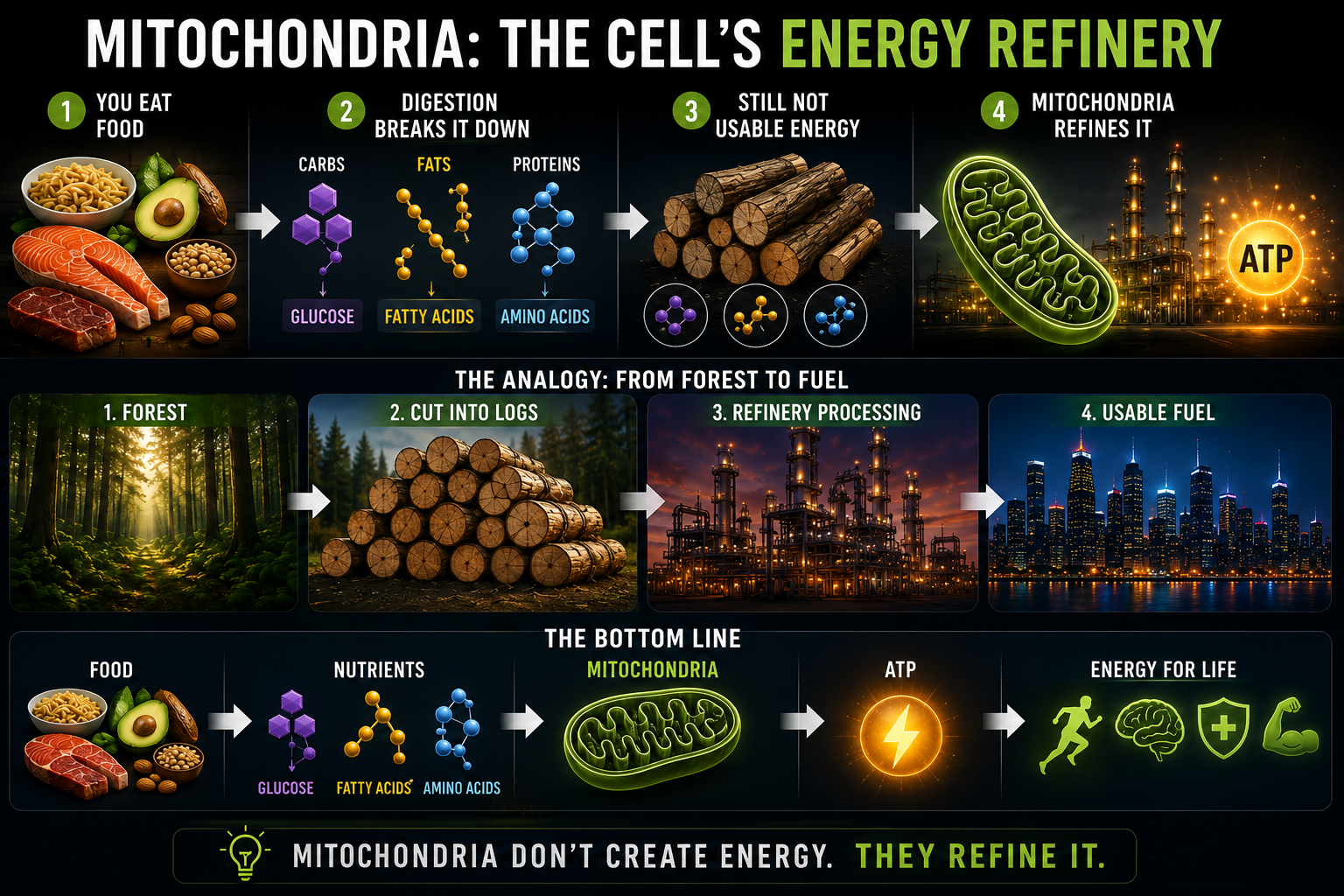 These nutrients contain stored energy, but that energy must first be converted into a form the body can use: adenosine triphosphate (ATP).
That’s where mitochondria come in.
Mitochondria do not directly convert glucose, fatty acids, or amino acids into ATP. Although you’ve already extracted them from carbs, fats, and proteins, those molecules still need further refining before their energy can be extracted and utilized.
It helps to think of macronutrients as trees in a forest.
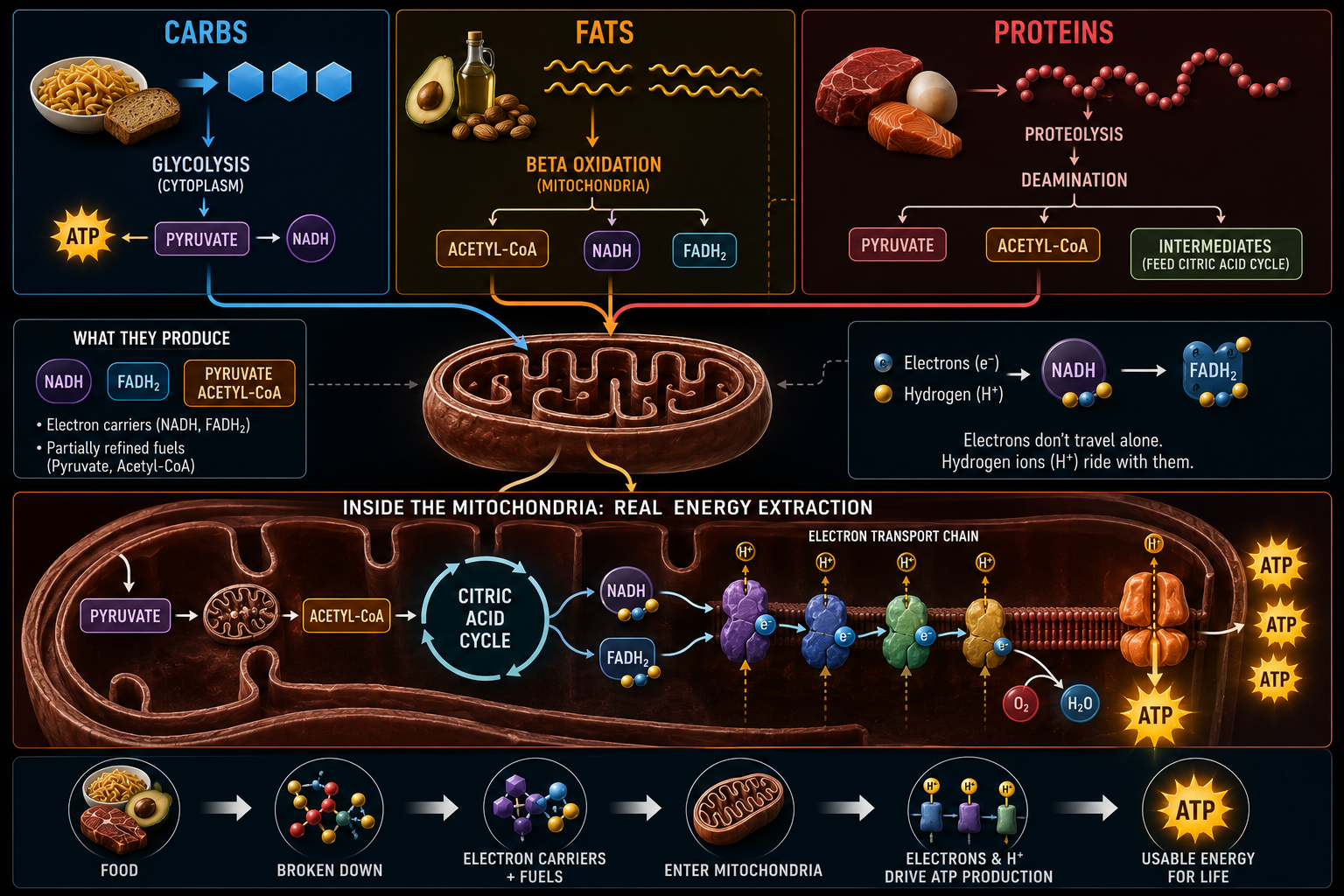 Digestion cuts the trees into logs: glucose, fatty acids, and amino acids. Useful? More manageable? Absolutely. But you still can’t power a city with a pile of logs. More processing is required.
Glucose enters a process called glycolysis, producing something called “pyruvate” along with small amounts of ATP and a molecule called NADH. Glycolysis happens outside the mitochondria in the cytoplasm of the cell.
Fatty acids undergo beta oxidation, where they are chopped into smaller units that generate acetyl-CoA, NADH, and FADH₂. Beta oxidation primarily occurs inside the mitochondria.
Protein is a little more complicated. Proteins first undergo proteolysis and then deamination, ultimately producing molecules such as pyruvate, acetyl-CoA, and intermediates that feed into the citric acid cycle. These processes largely occur outside the mitochondria, within the cell.
Although these pathways begin in different locations, they eventually converge on the mitochondria.
These processes ultimately produce electron carriers like NADH and FADH₂, along with partially refined fuel molecules like pyruvate and acetyl-CoA that still contain stored energy
Importantly, those electrons do not travel alone.
As food molecules are broken down, hydrogen atoms are stripped away and loaded onto NADH and FADH₂ along with the electrons. When these carriers arrive at the mitochondria and donate their electrons into the electron transport chain, the associated hydrogen ions help create the proton buildup used to generate ATP.
Once these molecules enter mitochondrial pathways, the real energy extraction begins.
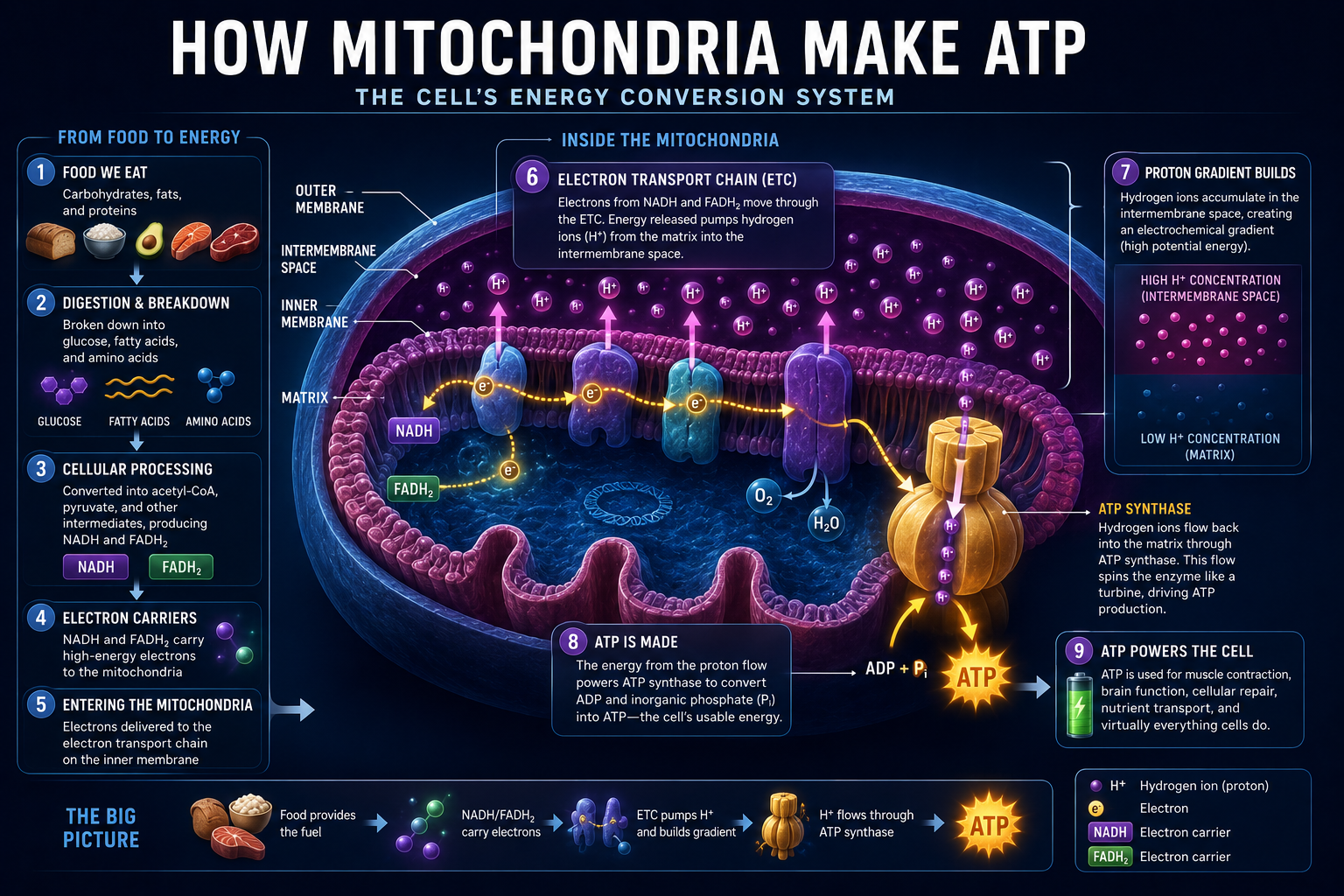
Inside the mitochondria, pyruvate and acetyl-CoA continue being broken down, extracting even more high-energy electrons. Those electrons are loaded onto NADH and FADH₂, which function like rechargeable batteries carrying stored energy.
These batteries deliver their electrons into a series of molecular machines called “the electron transport chain.”
To understand what happens next, we have to go just a bit deeper than high school bio. Don’t worry, though, it’s simple.
Mitochondria have two membranes—an outer membrane separating them from the rest of the cell and a highly folded inner membrane surrounding the mitochondria’s internal compartment, called the matrix. Between these two membranes is a narrow compartment called the intermembrane space.
Think of the inner membrane like a dam wall separating two sides of a reservoir. On one side is the mitochondrial matrix, where hydrogen ion concentration remains relatively low.
On the other side is the intermembrane space. Here, hydrogen ions begin accumulating, much like water building up behind a dam.
As electrons move through the electron transport chain, energy is released. Instead of wasting that energy, mitochondria use it to pump hydrogen ions from the matrix, across the inner membrane, and into the intermembrane space.
That process requires energy because hydrogen ions are being forced from an area of lower concentration to one where their concentration is already higher. In other words, the mitochondria are actively working against the system’s natural tendency to equalize.
Hydrogen ions naturally want to flow back into the matrix, just like water behind a dam naturally wants to flow downhill.
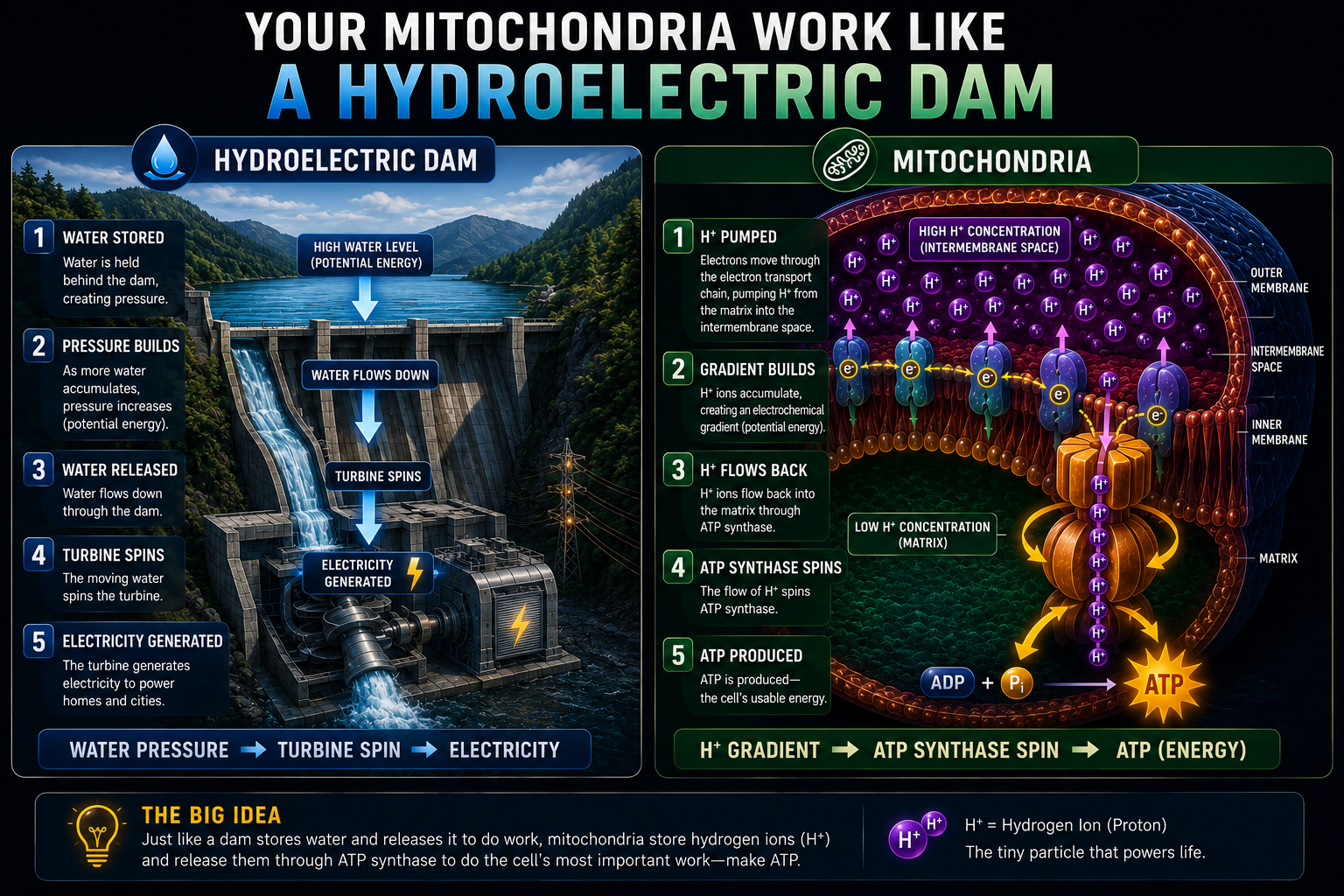
This growing imbalance stores potential energy, much like pressure building behind a dam. The cell can later tap that stored energy to generate ATP.
Imagine using pumps to force water uphill behind a dam. As the volume of water increases, pressure builds, and potential energy is stored. This is the basic idea behind a hydroelectric dam: water is accumulated at a higher elevation so its stored energy can later be released in a controlled way.
Mitochondria do something remarkably similar, except instead of pumping water, they pump hydrogen ions.
Eventually, those hydrogen ions want to flow back to where they came from. But there is only one route available: a tiny rotating molecular machine called ATP synthase.
As hydrogen ions flow through ATP synthase, it rotates—literally rotates—much like the turbine inside a hydroelectric dam turns as pressurized water is released through controlled channels.
In a hydroelectric dam, that spinning motion generates electricity.
In mitochondria, the spinning of ATP synthase generates ATP.
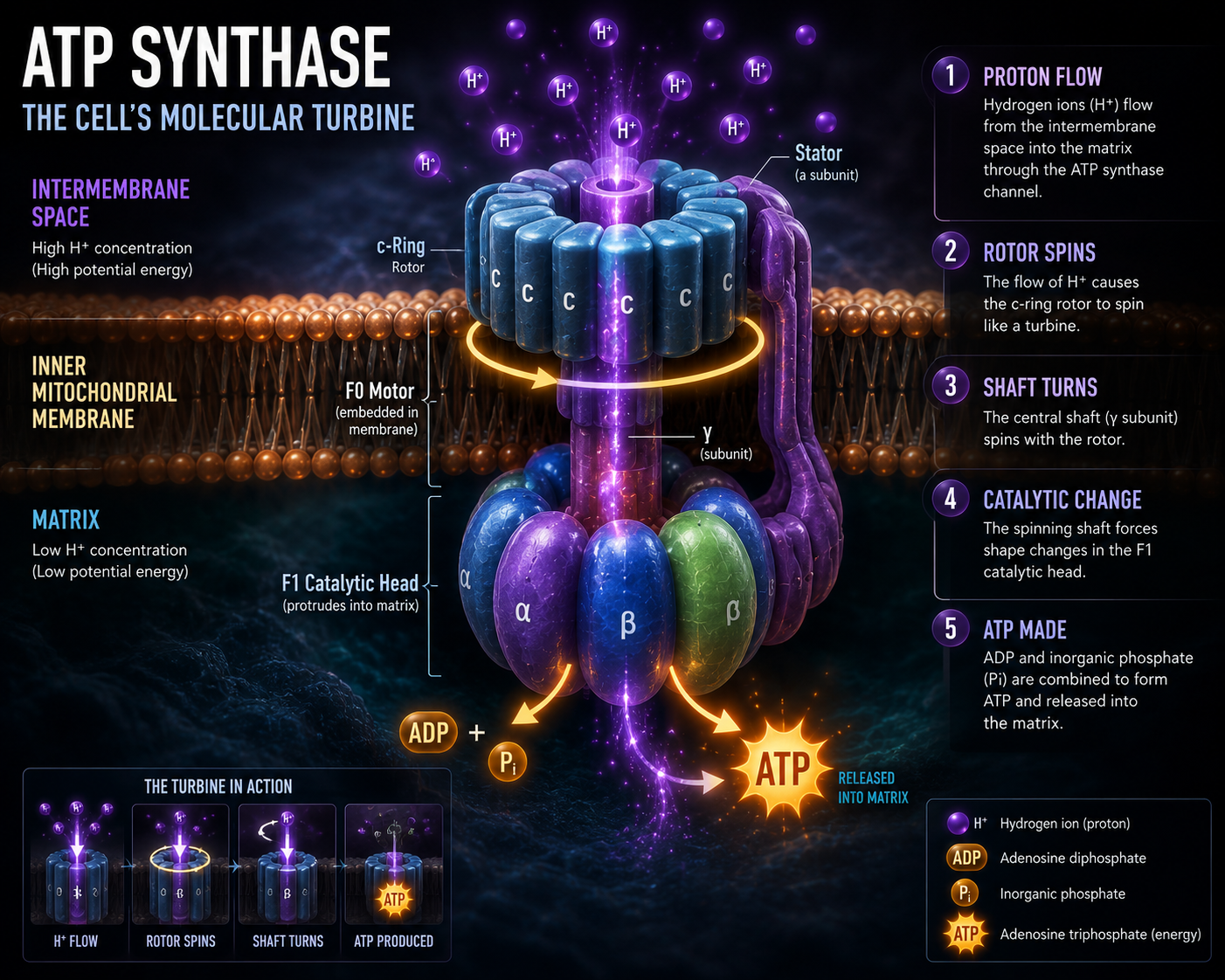
Mitochondria convert the energy stored in food into pressure, then convert that pressure into motion, and finally convert that motion into ATP—the form of energy your cells can actually spend.
Now you have energy to power all of the processes in your body and meet the demands of physical exercise.
But understanding the system’s blueprint is not the same as understanding how well it performs.
Two people can eat the same food, have access to the same fuel sources, and possess the exact same biochemical machinery on paper—yet produce very different outcomes.
Because energy production depends on more than fuel availability.
Energy production depends on mitochondrial quantity, mitochondrial health, oxygen delivery, nutrient processing, and overall metabolic demand.
As exercise intensity increases, ATP demand rises, glycolysis accelerates, mitochondria get pushed harder, and cells begin making decisions about fuel use, stress response, and adaptation.
Mitochondria are not just energy producers. They also function as metabolic sensors (Kim et al., 2018; Zheng et al., 2023).
They monitor energy conditions and communicate with the rest of the cell.
One of the signaling molecules involved in that process is MOTS-c.
Elite Research is where I purchase MOTS-c
10 percent discount with code ED10What Is MOTS-c? (Mitochondrial Open Reading Frame Peptide Explained)
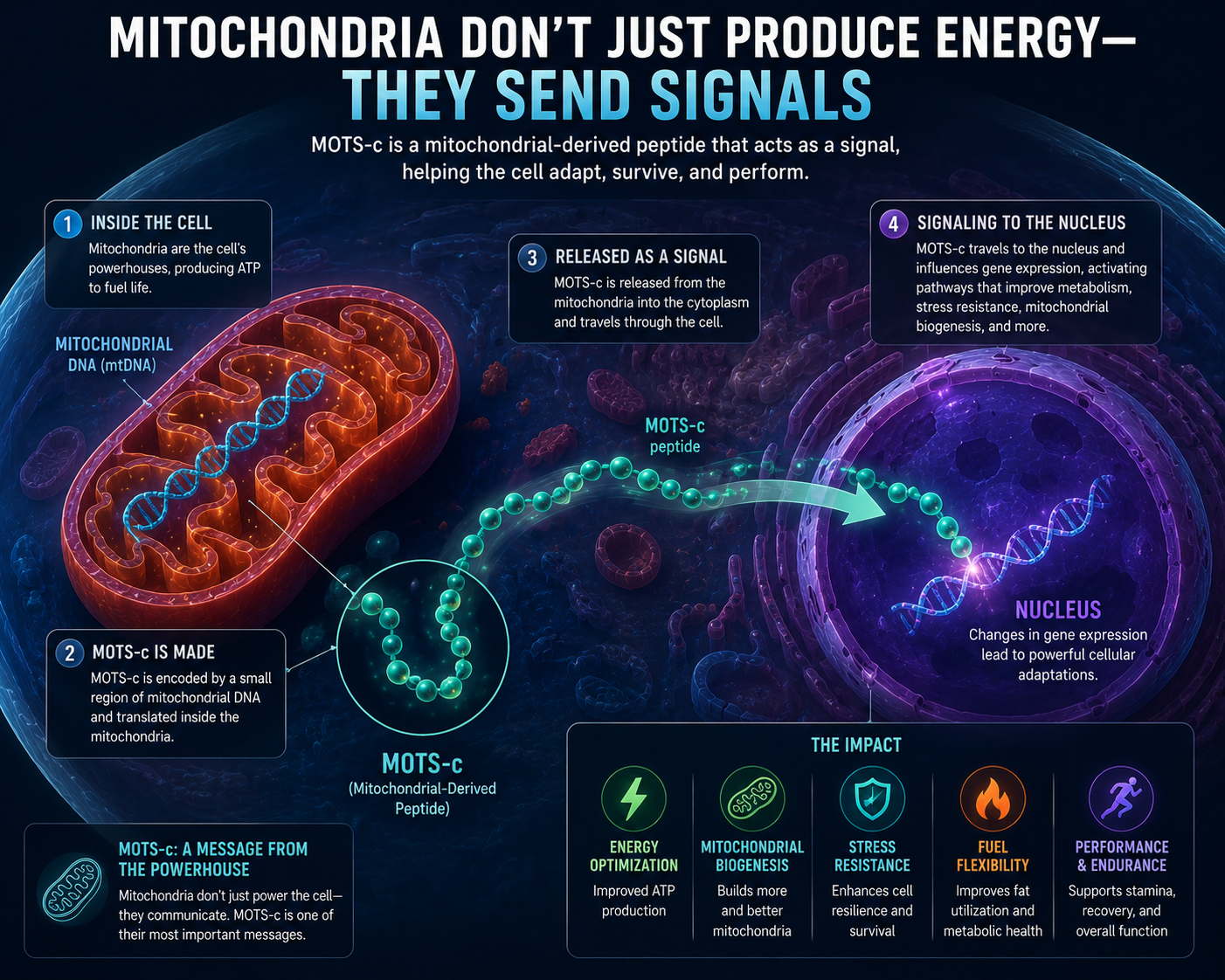
MOTS-c is a mitochondrial-derived peptide that appears to function as a signaling molecule involved in how cells respond to changing energy conditions.
Its full name is mitochondrial open reading frame of the 12S rRNA type-c. That’s a bit of a mouthful, which is why everyone simply calls it MOTS-c.
One of the more fascinating things about mitochondria is that they possess their own DNA separate from the DNA in the nucleus of your cells.
That’s because mitochondria were once free-living bacteria that formed a symbiotic relationship with early cells billions of years ago. Over time, most of their genes were transferred into the nucleus, but mitochondria retained a small amount of their original genetic code.
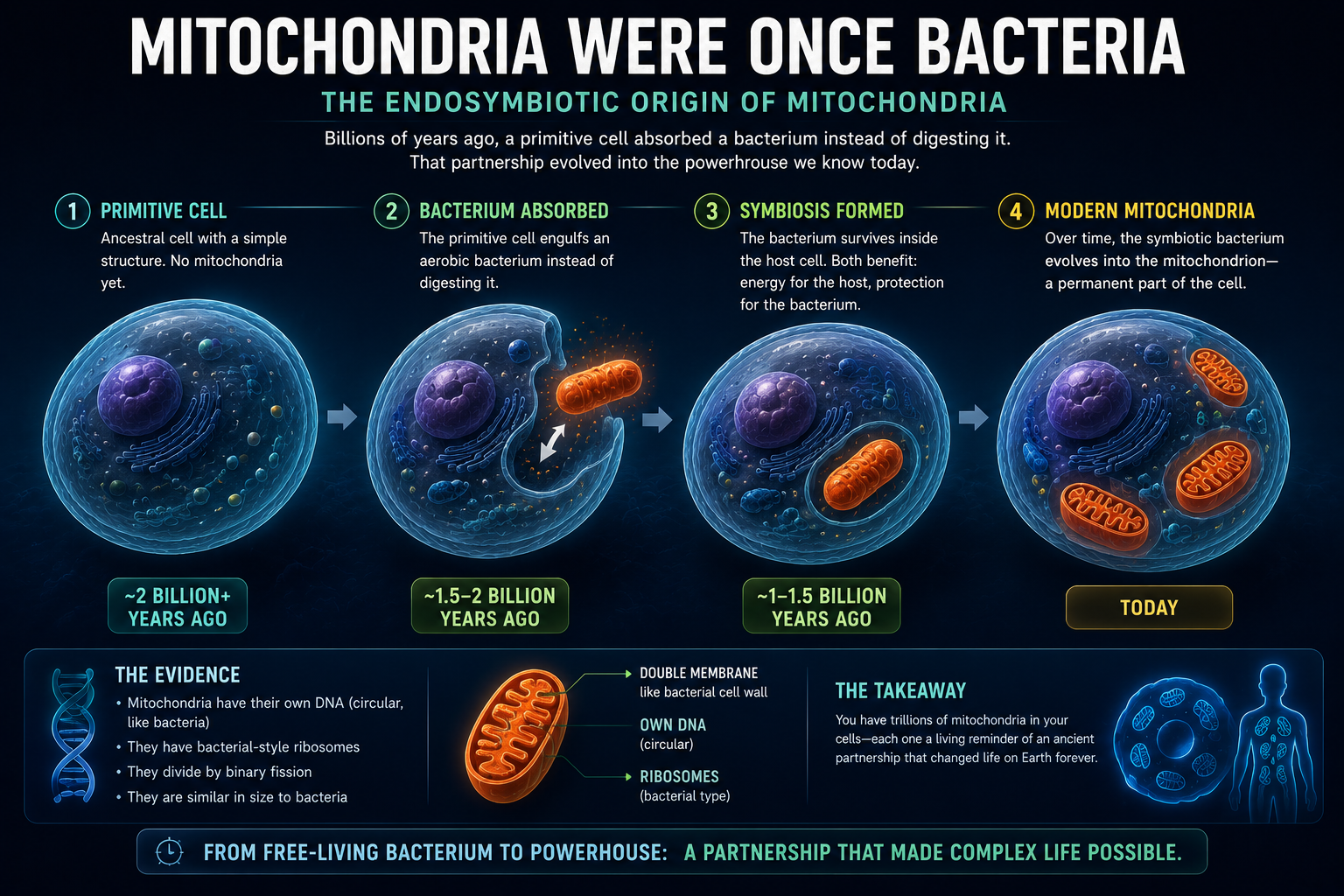
For decades, scientists believed this mitochondrial DNA existed almost entirely to support energy production, but the discovery of MOTS-c challenged that assumption.
Researchers discovered that mitochondria were not simply producing energy. They were also producing signaling molecules that could influence the rest of the cell (Lee et al., 2015; Kim et al., 2018).
MOTS-c was found in multiple tissues throughout the body, including skeletal muscle, liver, brain, and blood. MOTS-c appears to be associated with systems deeply connected to metabolism and adaptation (Lee et al., 2015; Nashine & Kenney, 2020).
They observed associations among MOTS-c, glucose metabolism, insulin sensitivity, mitochondrial function, exercise adaptation, stress resistance, aging, and cardiovascular health (Lee et al., 2015; Reynolds et al., 2021; Zheng et al., 2023).
These systems are different, but they are not disconnected.
Take exercise as an example.
Exercise increases glucose uptake, improves insulin sensitivity, stresses mitochondria, accelerates ATP demand, and forces the body to adapt to changing energy conditions (Yoon et al., 2022).
Aging is often associated with declining mitochondrial function, worsening insulin sensitivity, reduced metabolic flexibility, and lower exercise capacity (Miller et al., 2022).
MOTS-c and Exercise Adaptation
Exercise dramatically increases your body’s natural production of MOTS-c.
In human studies, skeletal muscle MOTS-c levels increased nearly 12-fold following exercise and remained elevated for several hours afterward (Reynolds et al., 2021).
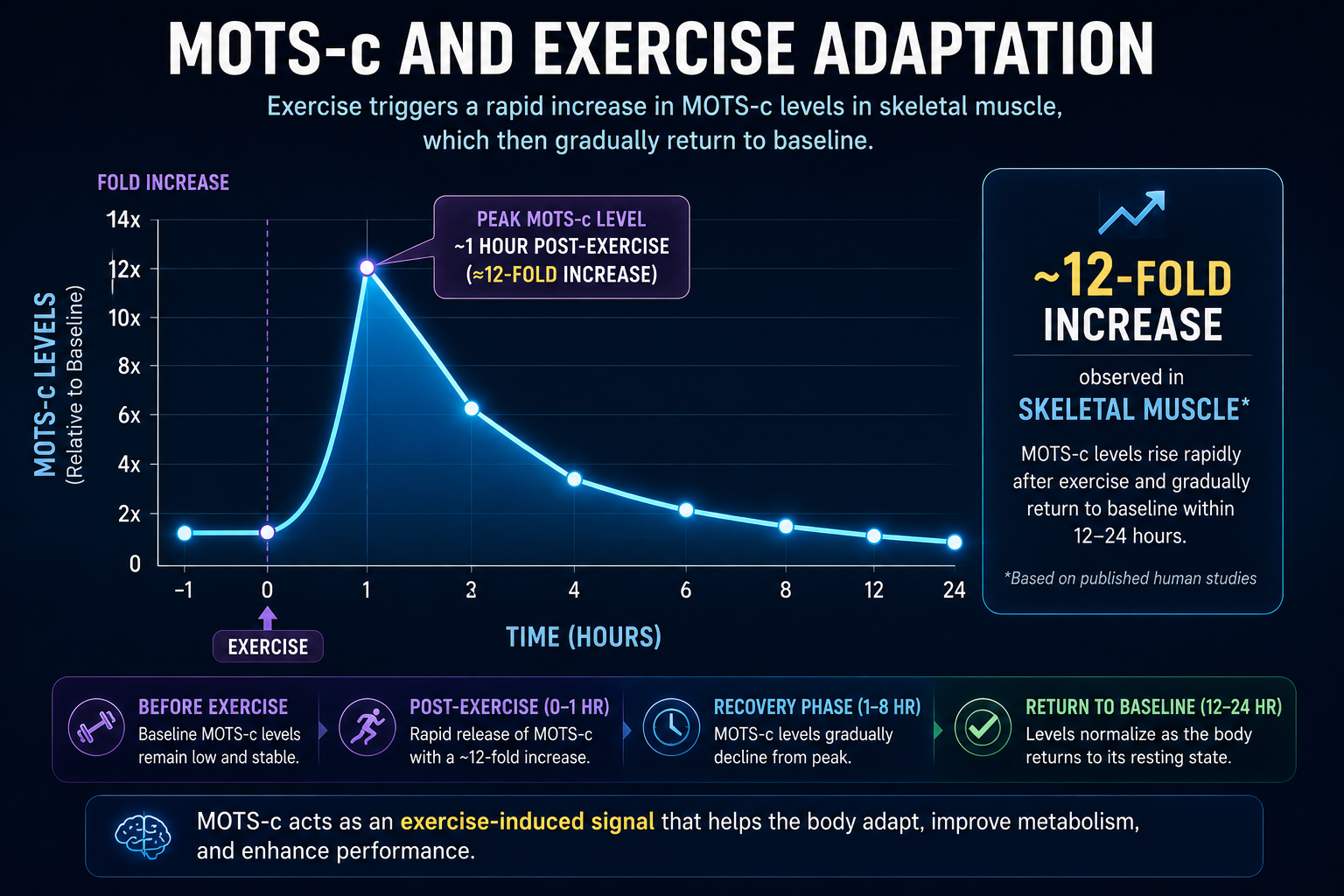 Circulating levels in the bloodstream also rose during and immediately after exercise, then eventually returned to baseline.
Exercise is controlled metabolic stress that forces the body to adapt to rising energy demand. Because MOTS-c levels rise sharply after exercise, researchers became interested in its potential role in exercise adaptation and metabolic signaling.
Many benefits associated with exercise—such as improved insulin sensitivity, fat utilization, metabolic flexibility, and mitochondrial adaptation—overlap with systems MOTS-c appears to influence.
This is why researchers describe MOTS-c as an exercise mimetic, meaning the peptide may activate some of the same metabolic and adaptive pathways that exercise itself activates (Lee et al., 2016; Yoon et al., 2022).
How MOTS-c Works: AMPK, Energy Metabolism, and Mitochondrial Signaling
The exact mechanism is still being worked out, but the basic idea looks something like this:
Metabolic stress
↓
Mitochondria increase MOTS-c signaling
↓
MOTS-c alters cellular metabolism (Kim et al., 2018)
↓
AMPK becomes activated
↓
Cells adapt
Now we have to talk about the other major player in this system: AMPK.
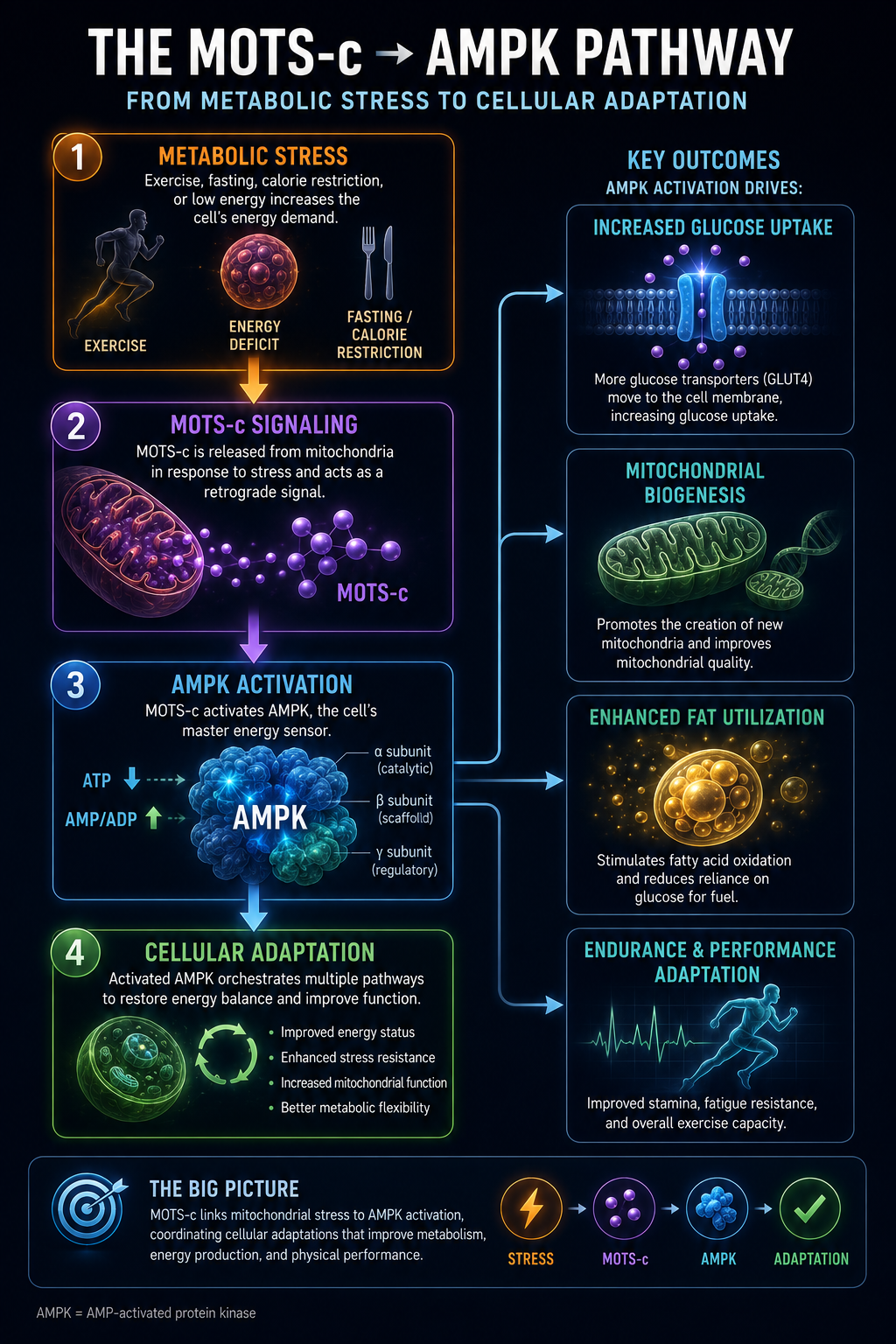
AMPK stands for AMP-activated protein kinase, and it functions as the body’s master energy sensor.
When activated by low cellular energy—during exercise, fasting, calorie restriction, or other forms of metabolic stress—it helps restore balance by reallocating resources and shifting the body into a more energy-efficient state.
To understand how it detects this, remember ATP from earlier.
ATP is the expendable energy currency of the cell. As ATP is used, some of it is broken down into ADP and eventually AMP.
When AMP accumulates relative to ATP, the cell interprets this as a sign that energy demand is outpacing supply, which helps trigger AMPK activation.
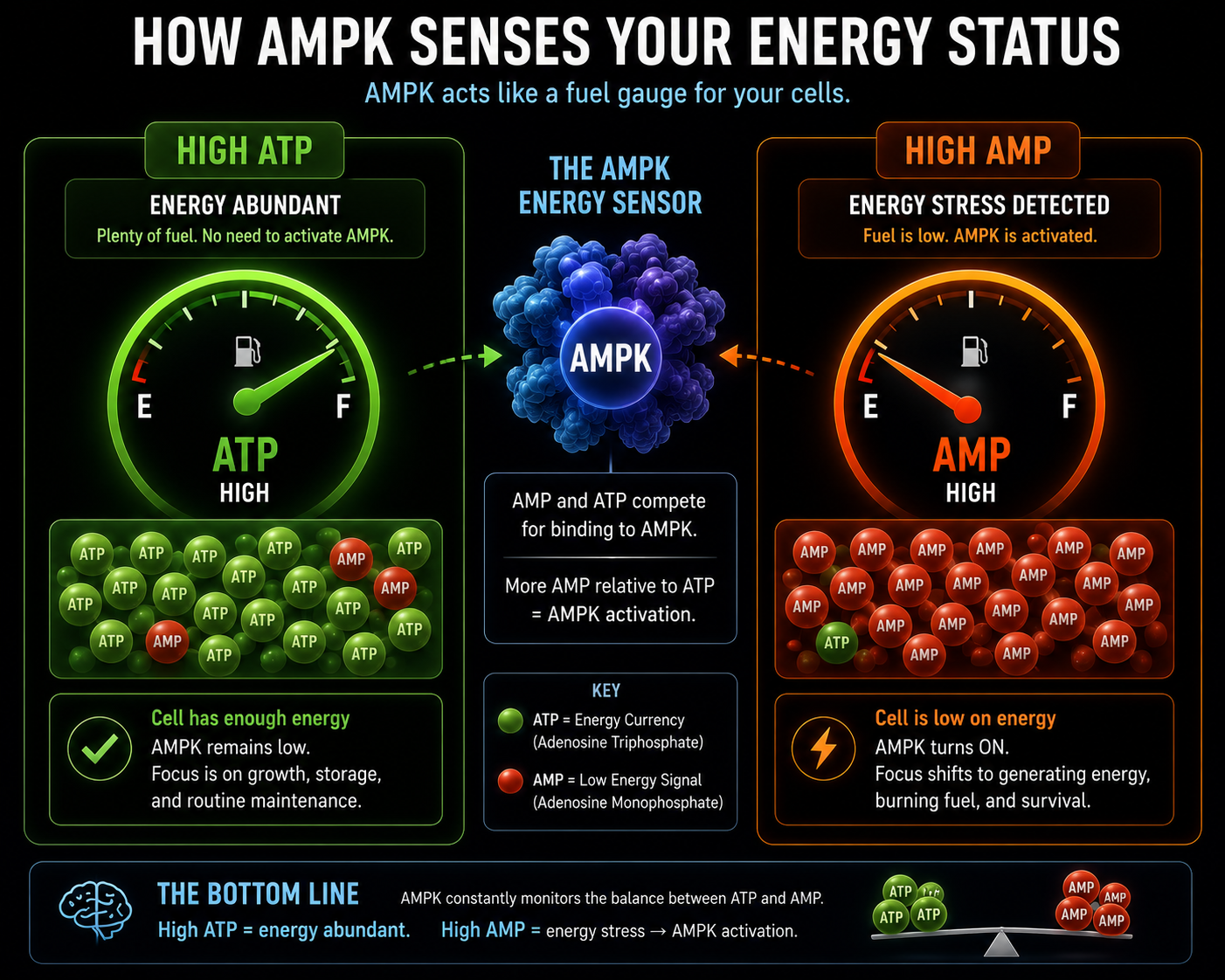
MOTS-c and AMPK Activation
AMPK activates during metabolic stressors such as exercise, fasting, caloric restriction, hypoxia, and metabolic dysfunction.
It not only works inside muscle cells. It acts throughout the body and influences multiple organs involved in energy regulation.
- In skeletal muscle, AMPK increases glucose uptake and shifts muscle toward using more fuel.
- In the liver, it can reduce energy storage and alter glucose production.
- In fat tissue, it influences fat metabolism and energy utilization.
- In the brain, it participates in nutrient sensing and energy balance.
And inside mitochondria themselves, AMPK signaling can stimulate adaptation and even the creation of new mitochondria.
AMPK functions as a system-wide regulator of cellular energy balance.
MOTS-c appears capable of influencing this same network.
Current evidence suggests MOTS-c alters folate and purine metabolism in ways that increase the levels of molecules that behave similarly to AICAR, a compound known to activate AMPK signaling (Lee et al., 2015; Kim et al., 2019).
Very simplified, the pathway looks something like this:
MOTS-c
↓
Changes cellular metabolism
↓
AICAR-like signals increase
↓
AMPK activates
↓
Cells shift into adaptation mode
AMPK shifts the body away from “store and coast” mode and toward “adapt and perform” mode.
Many aspects of metabolic health and performance are ultimately adaptation problems.
Get the performance enhancing benefits of MOTS-c
Become energzied hereWhy People Use MOTS-c Peptides
MOTS-c is not fuel, ATP, or a stimulant.
The interest surrounding the peptide comes from its apparent role in metabolic signaling and adaptation.
Rather than directly supplying energy, MOTS-c appears involved in how cells sense energy demand and respond to metabolic stress.
Because exercise naturally increases endogenous MOTS-c production, many researchers and biohackers have become interested in whether exogenous MOTS-c could amplify some of the same adaptive pathways associated with exercise, endurance, fat utilization, and metabolic flexibility.
Interest in MOTS-c has also grown because circulating levels appear to decline with age, alongside declines in many aspects of metabolic health and exercise capacity (Fuku et al., 2015; Miller et al., 2022).
Who Should Consider MOTS-c?
MOTS-c has attracted attention across several groups because of its apparent relationship to energy regulation, mitochondrial signaling, metabolic flexibility, and exercise adaptation.
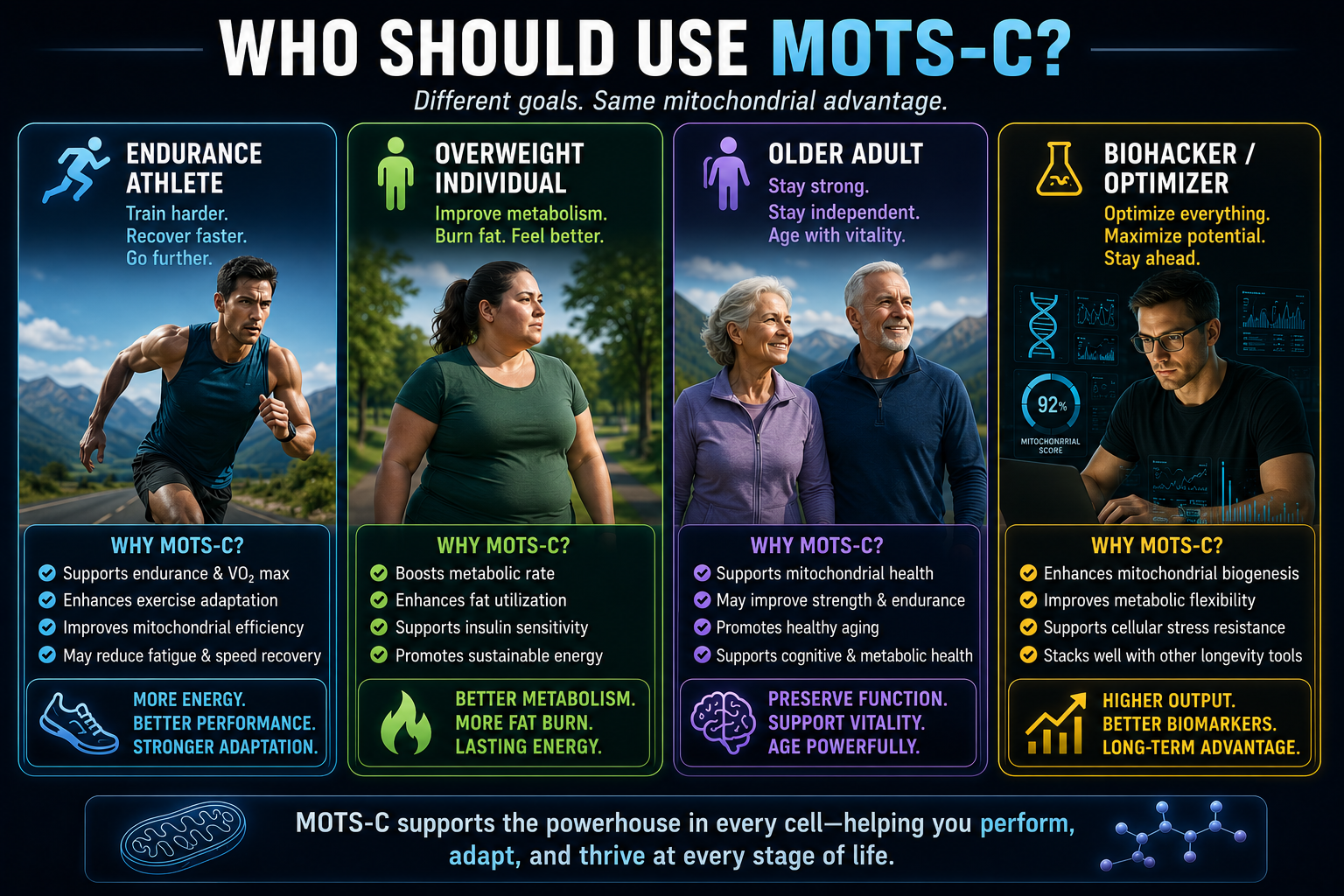
Endurance Athletes
Endurance and hybrid athletes are often interested in MOTS-c because of its apparent connection to fuel utilization, mitochondrial adaptation, and metabolic resilience during prolonged training.
Individuals Focused on Fat Loss and Metabolic Health
People interested in fat loss, insulin sensitivity, glucose regulation, and metabolic health often explore MOTS-c because many of the pathways it appears to influence are closely tied to energy balance and metabolic flexibility.
Aging Individuals Interested in Longevity
Longevity and healthy-aging communities have become interested in MOTS-c because aging is strongly associated with declining mitochondrial function, worsening metabolic health, and reduced metabolic flexibility.
Biohackers and Performance-Oriented Users
Biohackers and performance-oriented users are often drawn to MOTS-c because it appears to function more like a metabolic signaling peptide involved in adaptation and energy sensing than a traditional stimulant or anabolic compound.
Important Perspective
While the mechanistic rationale surrounding MOTS-c is promising, long-term human research remains limited, and the peptide should still be viewed as experimental rather than fully clinically validated.
If you fit any of these categories, MOTS-c is definitely something you need. Get them from Elite Research USA, and use code ED10 for 10% off.
MOTS-c Benefits for Fat Loss, Endurance, and Metabolic Health
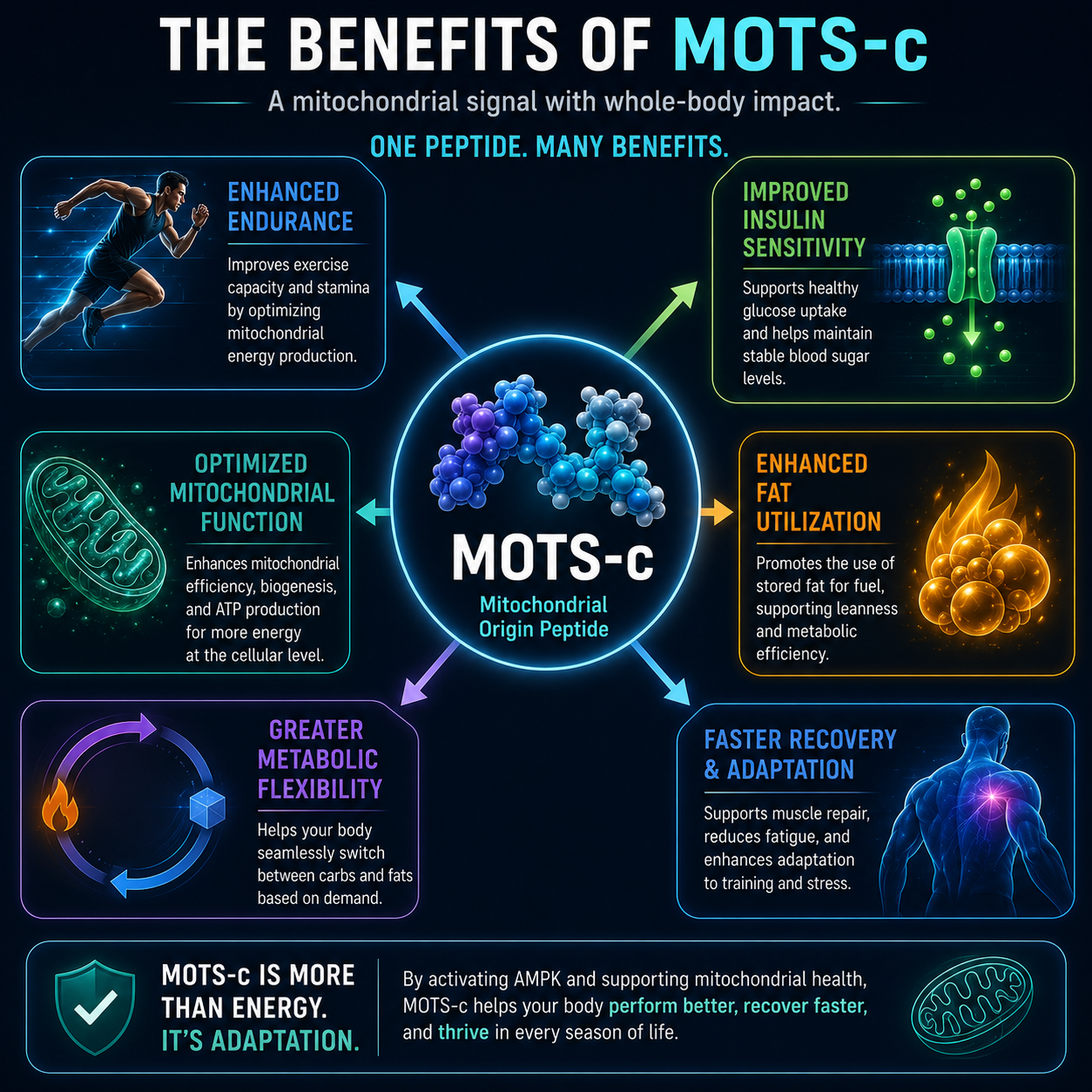 At its core, MOTS-c appears to influence how the body senses energy demand, allocates fuel, responds to metabolic stress, and adapts over time.
Most of the proposed benefits associated with MOTS-c are downstream effects of those broader metabolic and adaptive changes.
MOTS-c for Fat Loss
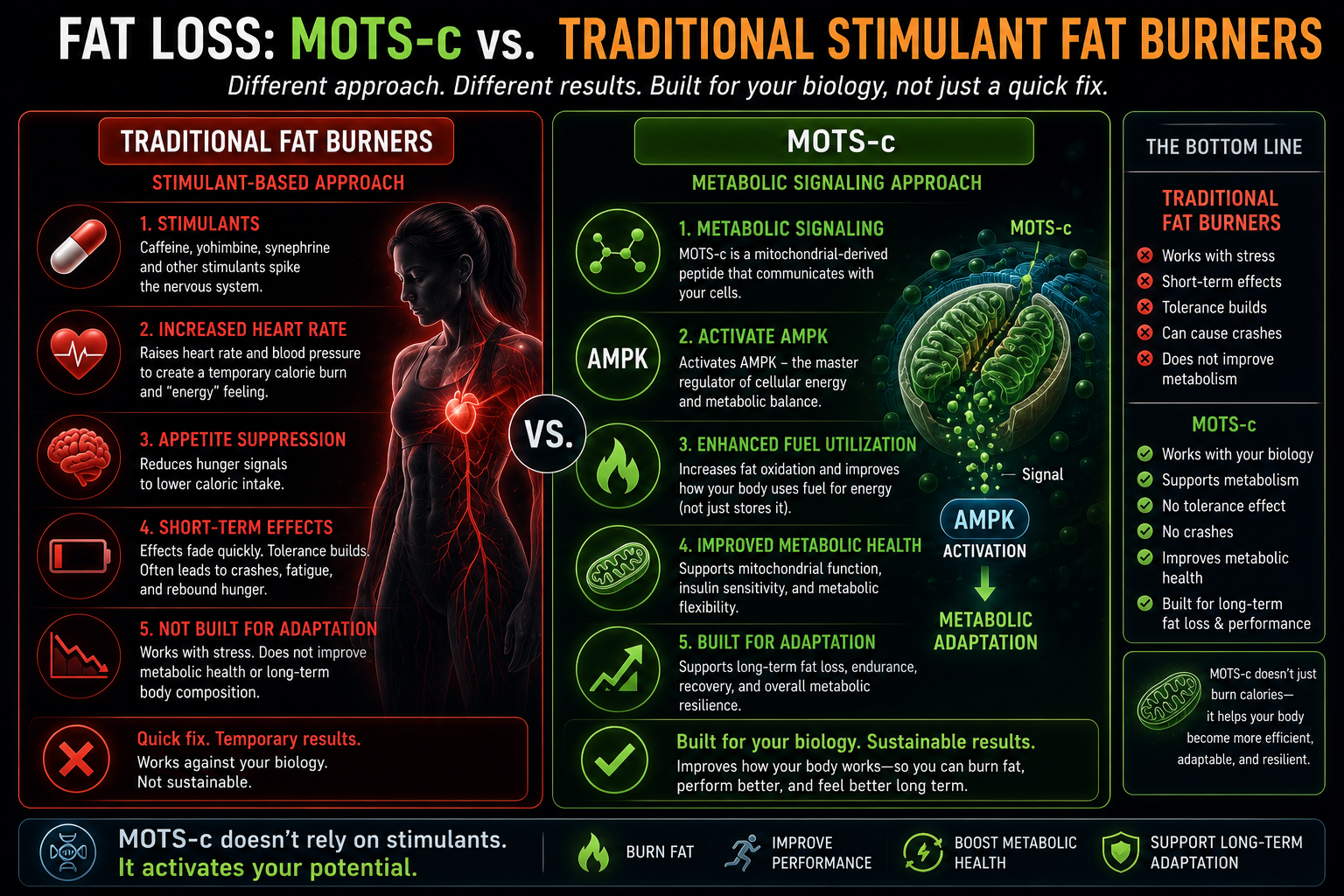 One reason people become interested in MOTS-c is its apparent relationship to fat utilization and metabolic flexibility, particularly during caloric restriction, endurance training, fasting, and cutting phases.
Research suggests that MOTS-c may influence pathways involved in fuel utilization, metabolic adaptation, and mitochondrial signaling (Lee et al., 2015; Lu et al., 2019).
Rather than directly “burning fat,” MOTS-c appears more connected to improving the body’s ability to adapt to changing energy demands and utilize fuel efficiently.
MOTS-c for Insulin Sensitivity and Glucose Control
Research has repeatedly associated MOTS-c with improved glucose uptake, insulin sensitivity, and glucose handling in skeletal muscle (Lee et al., 2015; Du et al., 2018; Guo et al., 2020).
Because skeletal muscle plays a major role in glucose disposal and energy utilization, researchers have become interested in MOTS-c in obesity, insulin resistance, metabolic syndrome, and aging-related metabolic research (Lee et al., 2015).
MOTS-c for Endurance and Exercise Performance
Endurance depends heavily on efficient fuel utilization, ATP regeneration, mitochondrial adaptation, and the ability to sustain energy production under prolonged stress.
Research has associated MOTS-c with improved endurance, exercise capacity, metabolic flexibility, and mitochondrial adaptation in exercise models (Reynolds et al., 2021; Yuan et al., 2021).
MOTS-c for Recovery and Stress Resistance
Because MOTS-c appears to be linked to mitochondrial adaptation and cellular stress-response pathways, researchers have also explored its potential relationship to recovery and metabolic resilience (Kim et al., 2018; Kim et al., 2021).
MOTS-c for Longevity and Healthy Aging
Aging is commonly associated with declining mitochondrial function, worsening metabolic health, reduced exercise capacity, and impaired metabolic flexibility.
Because MOTS-c appears to be connected to several systems involved in energy regulation and adaptation, it has, along with peptides like epithalon, attracted attention in longevity and healthy aging research (Fuku et al., 2015; Miller et al., 2022).
MOTS-c for Metabolic Flexibility
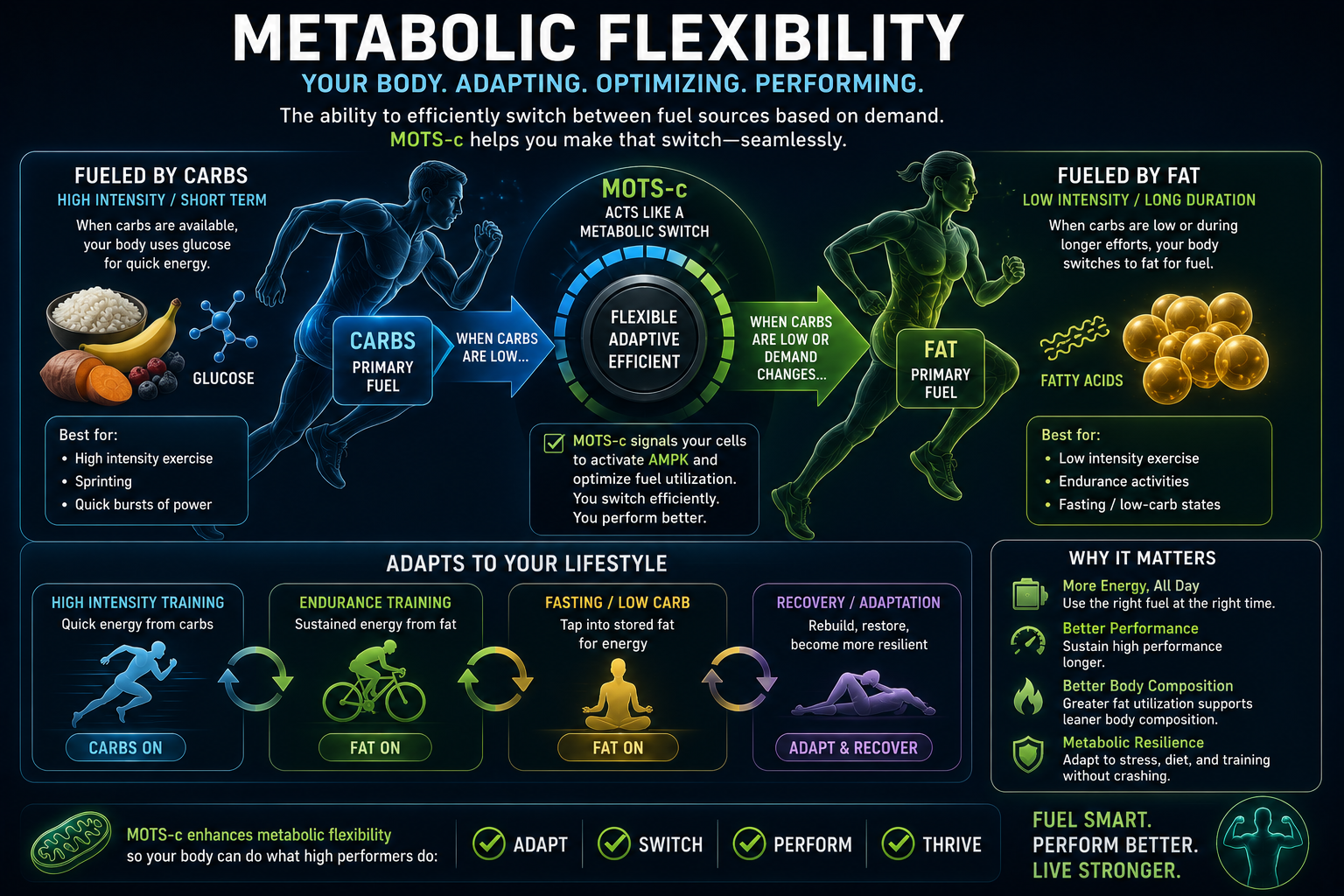 Many researchers view MOTS-c through the lens of metabolic flexibility: the body’s ability to efficiently shift between fuel sources as energy demands change.
Poor metabolic flexibility is strongly associated with obesity, insulin resistance, metabolic syndrome, and other forms of metabolic dysfunction.
MOTS-c appears closely linked to several signaling pathways involved in maintaining that flexibility (Lee et al., 2016; Kim et al., 2019).
MOTS-c Side Effects, Safety, and Risks
MOTS-c does not appear to behave like many traditional performance-enhancing compounds. However, it is still an experimental peptide, and long-term human research remains limited.
Most of the current research surrounding MOTS-c comes from animal studies, cell studies, early-stage human observations, and metabolic research models (Zheng et al., 2023).
While the early findings are promising, major unknowns still exist regarding long-term safety, chronic use, endocrine interactions, cardiovascular effects, cancer-related signaling, and ideal dosing strategies.
Current evidence suggests MOTS-c appears generally well-tolerated in the short term, but this does not establish long-term safety (Zheng et al., 2023).
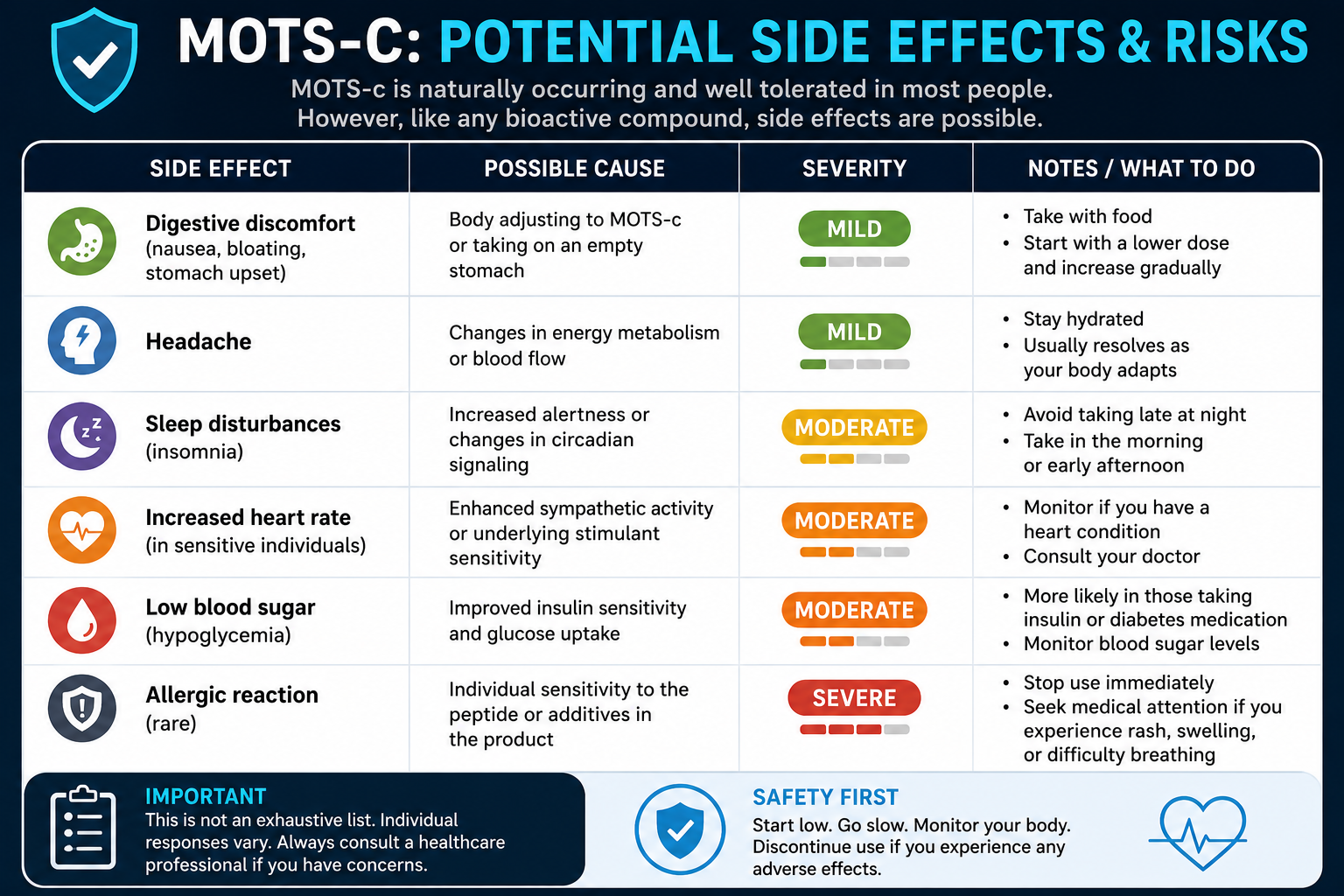 Reported side effects tend to be relatively mild compared to many injectable compounds. The most commonly reported issues include:
- injection site irritation
- redness or swelling
- fatigue or lethargy
- headaches
- appetite changes
- mild nausea
- muscle cramping
One of the more interesting reports is temporary fatigue.
At first glance, that seems counterintuitive for a peptide associated with metabolism and exercise adaptation. But MOTS-c does not appear to function like a stimulant. Instead, it appears to influence energy-sensing pathways connected to AMPK signaling and metabolic adaptation.
In some individuals—particularly during caloric restriction, fasting, or intense training phases—that shift in metabolic signaling may temporarily feel more like fatigue than stimulation.
Some users also report appetite changes. Reduced hunger may be related to improved glucose regulation and metabolic flexibility, while increased appetite may simply reflect rising energy demand during hard training or fat-loss phases.
Long-Term Safety Concerns
The biggest limitation surrounding MOTS-c right now is the lack of long-term human research.
We still do not know:
- the effects of chronic administration
- whether tolerance develops
- how prolonged signaling manipulation affects adaptation
- what ideal cycling structures may look like
- whether certain populations carry elevated risk
That does not mean MOTS-c is inherently dangerous. It means the science is still developing, and caution is warranted.
As with many emerging peptides, enthusiasm for MOTS-c currently exceeds the amount of long-term clinical evidence available.
Is MOTS-c Banned by WADA?
Even though MOTS-c is naturally produced in the body, exogenous administration places it into a different category for competitive athletics.
MOTS-c is prohibited by the World Anti-Doping Agency (WADA) under peptide-related performance-enhancing substances (World Anti-Doping Agency, 2025).
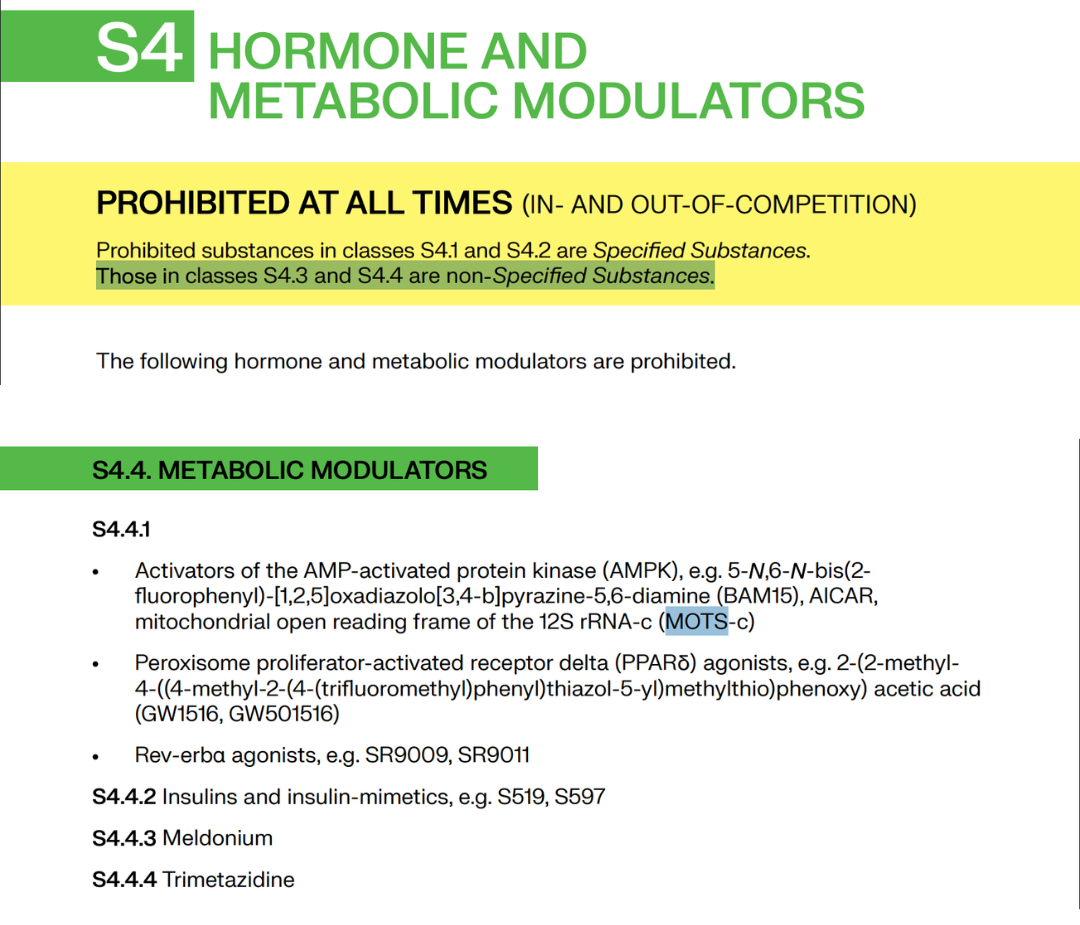
That means tested athletes should assume:
- it is banned in competition
- it may trigger anti-doping violations
- use could result in suspension or disqualification
From a legal standpoint, MOTS-c currently exists in a gray area in many countries.
In the United States, it is generally sold as a “research-use-only” peptide.
That means:
- it is not FDA-approved for medical treatment
- it is not approved as a dietary supplement
- it is commonly sold through research peptide vendors (I use Elite Research)
This is one reason sourcing and quality control matter so much.
In an unregulated market, purity, sterility, and manufacturing standards can vary enormously between vendors.
Is MOTS-c Safe?
The current evidence surrounding MOTS-c is intriguing.
The mechanistic rationale is strong.
The early metabolic and exercise-related findings are interesting, but it is important to separate promising biology from fully established clinical evidence.
Right now, MOTS-c still belongs in the category of a highly promising experimental peptide.
That does not invalidate the research. It just means that we’re still learning about it, and the science is still unfolding.
MOTS-c FAQ
What does MOTS-c do?
MOTS-c is a mitochondrial-derived peptide involved in energy regulation, metabolic adaptation, and exercise signaling. Research suggests it influences pathways connected to AMPK activation, glucose metabolism, mitochondrial function, insulin sensitivity, and metabolic flexibility.
Is MOTS-c an exercise mimetic?
MOTS-c is often described as exercise-mimetic because it appears to activate some of the same adaptive pathways that are stimulated during exercise. That does not mean it replaces exercise itself.
Does MOTS-c burn fat?
MOTS-c does not appear to directly “burn fat” like stimulant-based fat burners. Instead, research suggests it may influence pathways involved in fat utilization, metabolic flexibility, and energy regulation.
Does MOTS-c increase endurance?
Research has linked MOTS-c to improved exercise capacity, mitochondrial adaptation, and endurance performance in animal models and exercise studies.
Does MOTS-c build muscle?
MOTS-c is not considered a muscle-building peptide in the same category as anabolic compounds. Its effects appear primarily metabolic rather than directly anabolic.
Does MOTS-c increase AMPK?
Current evidence suggests that MOTS-c influences pathways associated with AMPK activation, one of the body’s primary energy sensors involved in metabolic adaptation and energy regulation.
Can MOTS-c improve insulin sensitivity?
Research has repeatedly associated MOTS-c with improved glucose uptake, insulin sensitivity, glucose handling, and metabolic flexibility.
Does MOTS-c work without exercise?
Possibly, but exercise likely enhances many of the pathways MOTS-c appears to influence. MOTS-c is best understood as potentially supporting adaptive signaling rather than replacing the behaviors that drive adaptation.
What is the half-life of MOTS-c?
The exact human half-life of MOTS-c has not been firmly established. Some animal data suggest circulating MOTS-c may clear rapidly from the bloodstream, although downstream signaling effects may persist much longer.
When should you take MOTS-c?
Many anecdotal protocols use MOTS-c pre-workout, during fat-loss phases, endurance-training blocks, fasting periods, or caloric restriction. However, optimal human timing has not been conclusively established.
Why is MOTS-c dosed in milligrams instead of micrograms?
Unlike many highly targeted receptor-binding peptides, MOTS-c appears to function more like a broader metabolic signaling molecule. Large-scale metabolic signaling may require larger absolute doses.
Is MOTS-c safe?
Current evidence suggests MOTS-c appears generally well tolerated in short-term research and anecdotal use, but long-term human safety data remain limited.
Is MOTS-c legal?
In many countries, including the United States, MOTS-c is generally sold as a “research-use-only” peptide rather than an FDA-approved medication or dietary supplement.
Is MOTS-c banned by WADA?
Yes. MOTS-c is prohibited by the World Anti-Doping Agency (WADA) under peptide-related performance-enhancing substances.
MOTS-c vs Other Metabolic Compounds
MOTS-c has attracted attention because it sits at the intersection of exercise adaptation, mitochondrial function, AMPK signaling, insulin sensitivity, and metabolic flexibility. That naturally leads to comparisons with other compounds targeting similar pathways.
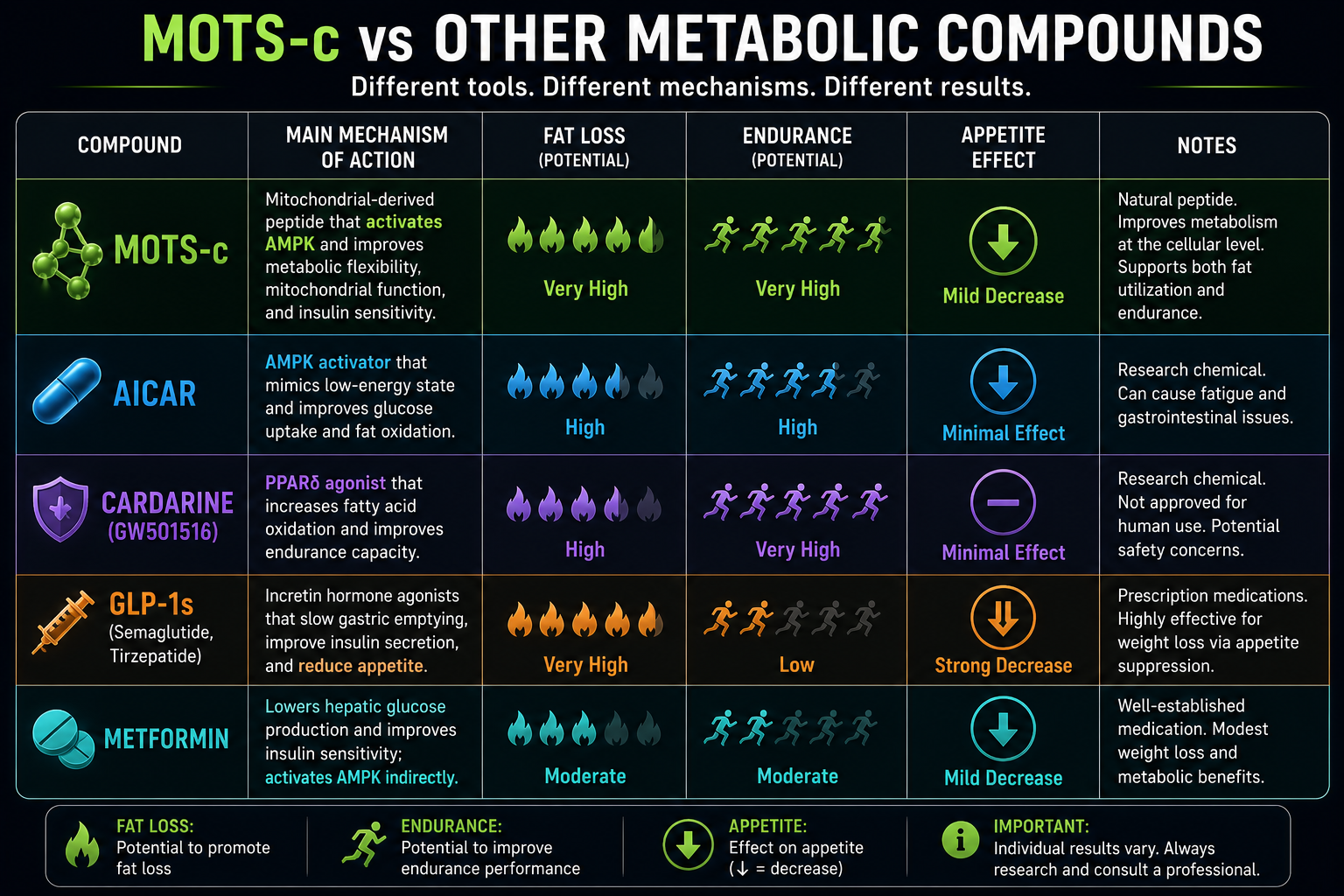
MOTS-c vs AICAR
AICAR is probably the closest mechanistic comparison because both compounds are strongly associated with AMPK activation.
The difference is that AICAR directly activates AMPK, while MOTS-c appears to influence metabolic pathways that indirectly increase AICAR-like signaling inside the cell (Lee et al., 2015).
In simple terms, AICAR acts more like a direct metabolic activator, while MOTS-c appears to function more like a mitochondrial signaling peptide involved in the body’s natural adaptation response.
MOTS-c vs Cardarine (GW-501516)
Cardarine primarily works through PPARδ activation, which strongly influences fat oxidation and endurance performance.
MOTS-c appears broader. Rather than primarily targeting fat metabolism through PPARδ, it appears to be connected to mitochondrial signaling, AMPK activation, glucose metabolism, and exercise adaptation.
Cardarine is often viewed as a performance-enhancing metabolic compound, while MOTS-c appears more closely tied to cellular energy sensing and adaptation.
MOTS-c vs Exercise
MOTS-c is often described as an exercise mimetic, but that does not mean it replaces exercise.
Exercise is vastly more complex than any single molecule.
What MOTS-c appears capable of doing is influencing some of the same signaling pathways activated during exercise, particularly those connected to AMPK activation, fuel utilization, and mitochondrial adaptation.
In fact, exercise itself naturally increases endogenous MOTS-c production.
MOTS-c vs GLP-1 Agonists
GLP-1 drugs like semaglutide and tirzepatide primarily work through appetite suppression, slowed gastric emptying, regulation of insulin, and improved glucose control.
MOTS-c appears fundamentally different (Lee et al., 2016).
Rather than primarily reducing energy intake, MOTS-c appears more connected to how cells sense, manage, and utilize energy once it is available.
That said, both overlap around insulin sensitivity, glucose regulation, metabolic health, and body composition.
MOTS-c vs Metformin
Like MOTS-c, metformin is associated with AMPK activation, improved insulin sensitivity, and metabolic health.
However, metformin primarily creates mild energetic stress that indirectly activates AMPK, particularly through effects on liver glucose production and mitochondrial respiration.
MOTS-c appears different. Rather than creating metabolic stress itself, it may function as part of the signaling network that coordinates adaptation to metabolic stress.
When to Take MOTS-c for Fat Loss and Performance
We still do not have reliable human pharmacokinetic data establishing the exact half-life of MOTS-c, which remains one of the major limitations of the current research.
However, there are a few important clues.
Some early research suggests circulating MOTS-c may clear relatively quickly from the bloodstream after administration (Kim et al., 2019). But that does not necessarily mean its biological effects disappear just as quickly.
MOTS-c appears to function more like a signaling molecule than a direct energy source. And signaling molecules can trigger downstream effects that continue long after the molecule itself leaves circulation.
That is one reason researchers became interested in exercise timing.

Exercise naturally increases endogenous MOTS-c production, particularly in skeletal muscle, while also activating many of the same adaptive pathways connected to AMPK signaling, mitochondrial adaptation, glucose uptake, and metabolic flexibility (Reynolds et al., 2021).
Because of this overlap, many anecdotal protocols place MOTS-c:
- pre-workout
- during endurance-training blocks
- during fat-loss phases
- during fasting or caloric restriction
The basic idea is that administering exogenous MOTS-c before training may potentially reinforce or amplify some of the body’s normal exercise-adaptation signaling.
However, it is important to separate mechanistic theory from proven clinical evidence.
Right now:
- optimal timing in humans remains unknown
- ideal dosing frequency has not been established
- long-term pharmacokinetic data is still limited
So while pre-workout administration makes mechanistic sense based on the current research, it has not yet been definitively shown to be superior in humans.
Where to Buy MOTS-c
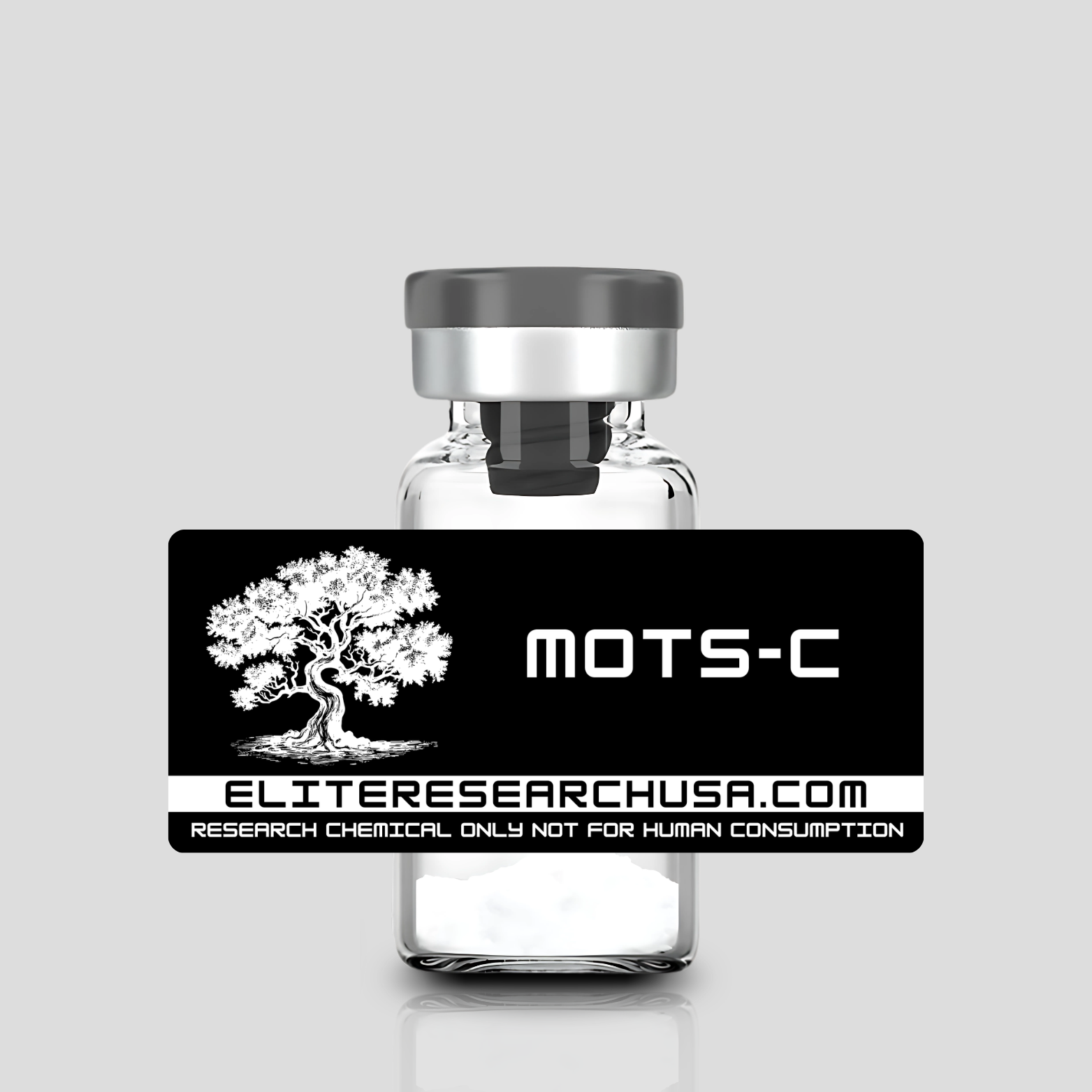 I get my MOTS-c from Elite Research USA.
One thing I appreciate about the company is that they publicly provide updated third-party Certificates of Analysis (COAs) rather than expecting customers to rely solely on marketing claims.
That matters because peptides are sold in a largely unregulated market, where product quality, purity, sterility, and manufacturing standards can vary significantly among vendors.
Without independent testing, you often have no reliable way of knowing:
- whether the peptide actually matches the label
- whether the reported purity is accurate
- whether contaminants or endotoxins are present
- whether the batch was properly tested
The COAs for their MOTS-c are performed by Freedom Diagnostics, an independent analytical testing laboratory specializing in peptide identity and purity verification.
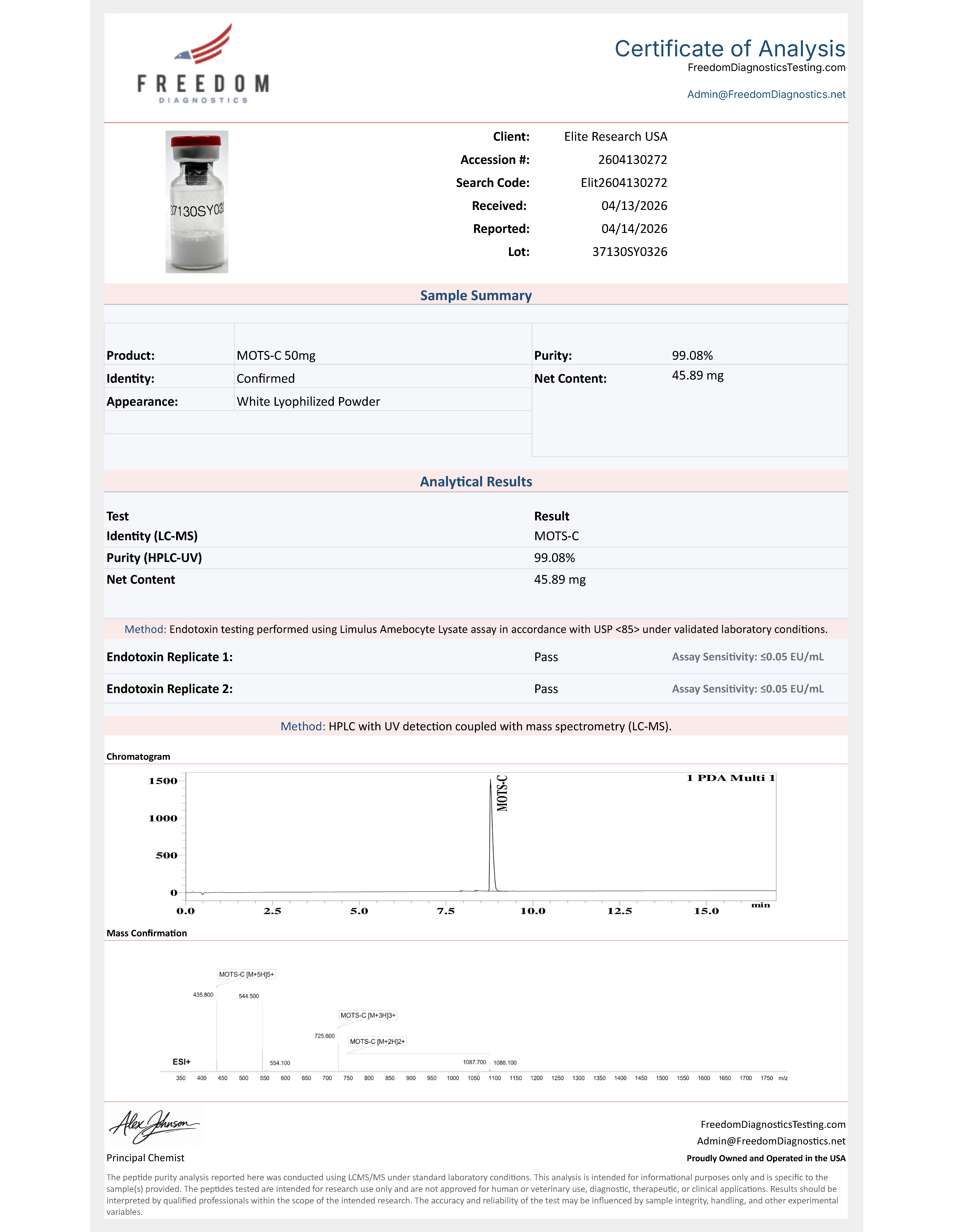 The testing includes:
- LC-MS identity confirmation
- HPLC purity analysis
- endotoxin testing
- batch-specific verification
That level of transparency is important for injectable compounds.
No peptide vendor can eliminate every possible risk, especially in an unregulated market. But companies that openly publish detailed third-party testing generally inspire far more confidence than vendors providing little or no verification at all.
If this breakdown of MOTS-C was helpful, pick up MOTS-C from Elite Research USA using my link or discount code ED10. You get get 10% off and I get a small comission.

Written by
Ed Latimore
Ed Latimore is a best-selling author, professional heavyweight boxer, and physicist. He writes about self-improvement, sobriety, fighting, and the lessons he learned growing up in the projects of Pittsburgh.
Follow @EdLatimoreReferences
Lee C, Zeng J, Drew BG, Sallam T, Martin-Montalvo A, Wan J, Kim SJ, Mehta H, Hevener AL, de Cabo R, Cohen P. The mitochondrial-derived peptide MOTS-c promotes metabolic homeostasis and reduces obesity and insulin resistance. Cell Metabolism. 2015;21(3):443–454. doi:10.1016/j.cmet.2015.02.009
Kim KH, Son JM, Benayoun BA, Lee C. The mitochondrial-encoded peptide MOTS-c translocates to the nucleus to regulate nuclear gene expression in response to metabolic stress. Cell Metabolism. 2018;28(3):516–524.e7. doi:10.1016/j.cmet.2018.06.008
Reynolds JC, Lai RW, Woodhead JST, et al. MOTS-c is an exercise-induced mitochondrial-encoded regulator of age-dependent physical decline and muscle homeostasis. Nature Communications. 2021;12:470. doi:10.1038/s41467-020-20611-9
Yoon TK, Kim HK, Cho JH. Exercise, mitohormesis, and mitochondrial ORF of the 12S rRNA type-c (MOTS-c). Diabetes & Metabolism Journal. 2022;46(4):521–533. doi: 10.4093/dmj.2022.0092
Yuan J, Wang Y, Xu M, et al. The mitochondrial signaling peptide MOTS-c improves myocardial performance during exercise training in rats. Scientific Reports. 2021;11:20029. doi:10.1038/s41598-021-99463-2
Du C, Zhang C, Wu W, Liang Y, Wang A, Wu S, Zhao Y, Hou L, Ning Q, Luo X. Circulating MOTS-c levels are decreased in obese male children and adolescents and associated with insulin resistance. Pediatric Diabetes. 2018;19(6):1058–1064. doi:10.1111/pedi.12685
Guo Q, Huang X, Zhang H, et al. Adiponectin treatment improves insulin resistance in mice by regulating the expression of the mitochondrial-derived peptide MOTS-c in skeletal muscle. Diabetologia. 2020;63(1):122–133. doi:10.1007/s00125-019-05023-2
Kim SJ, Mehta HH, Wan J, et al. Mitochondrial-derived peptide MOTS-c is a regulator of plasma metabolites and enhances insulin sensitivity. Physiological Reports. 2019;7(13):e14171. doi:10.14814/phy2.14171
Fuku N, Pareja-Galeano H, Zempo H, et al. The mitochondrial-derived peptide MOTS-c: a player in exceptional longevity? Aging Cell. 2015;14(6):921–923. doi: 10.1111/acel.12389
Miller B, Kim SJ, Kumagai H, et al. Mitochondria-derived peptides in aging and healthspan. Journal of Clinical Investigation. 2022;132(2):e158449. doi:10.1172/JCI158449
Zheng Y, Wang Y, Li Y, et al. MOTS-c: A promising mitochondrial-derived peptide for therapeutic exploitation. Frontiers in Endocrinology. 2023;14:1184505. doi:10.3389/fendo.2023.1184505
Nashine S, Kenney MC. Effects of mitochondrial-derived peptides (MDPs) on mitochondrial and cellular health in age-related macular degeneration. Cells. 2020;9(3):760. doi:10.3390/cells9030760
Lee C, Kim KH, Cohen P. MOTS-c: A novel mitochondrial-derived peptide regulating muscle and fat metabolism. Free Radical Biology and Medicine. 2016;100:182–187. doi:10.1016/j.freeradbiomed.2016.05.015
Lu H, Wei M, Zhai Y, et al. MOTS-c peptide regulates adipose homeostasis and systemic metabolism. American Journal of Physiology-Endocrinology and Metabolism. 2019;316(6):E1084–E1092. doi: 10.1007/s00109-018-01738-w
Hardie DG. AMP-activated protein kinase: an energy sensor that regulates all aspects of cell function. Genes & Development. 2011;25(18):1895–1908. doi:10.1101/gad.17420111
World Anti-Doping Agency. The World Anti-Doping Code International Standard: Prohibited List 2025. Available from:WADA Official Website