Epitalon Benefits: Research, Dosage, Side Effects & Longevity Explained

Pineal Gland, Aging, and Epithalon
To understand epithalon, you first have to understand the pineal gland. The pineal gland is a small, pinecone-shaped gland located deep within the brain in a region called the diencephalon.
The primary job of the pineal gland is to regulate your circadian rhythm—the internal biological clock that tells your body when to be awake, when to be asleep, and when to perform countless maintenance and repair functions. It does this by producing the hormone melatonin, often called the “hormone of darkness” because its production increases in darkness and decreases in light [5,11].
The pineal gland acts as a biological translator between the outside world and your internal physiology. Specialized cells in the retina detect changes in light and send that information to the brain’s master clock, the suprachiasmatic nucleus. From there, signals are relayed to the pineal gland, which adjusts melatonin production accordingly.
Melatonin does far more than simply make you sleepy. It influences immune function, antioxidant defenses, cellular repair, metabolism, and even the activity of genes involved in aging [5,6].
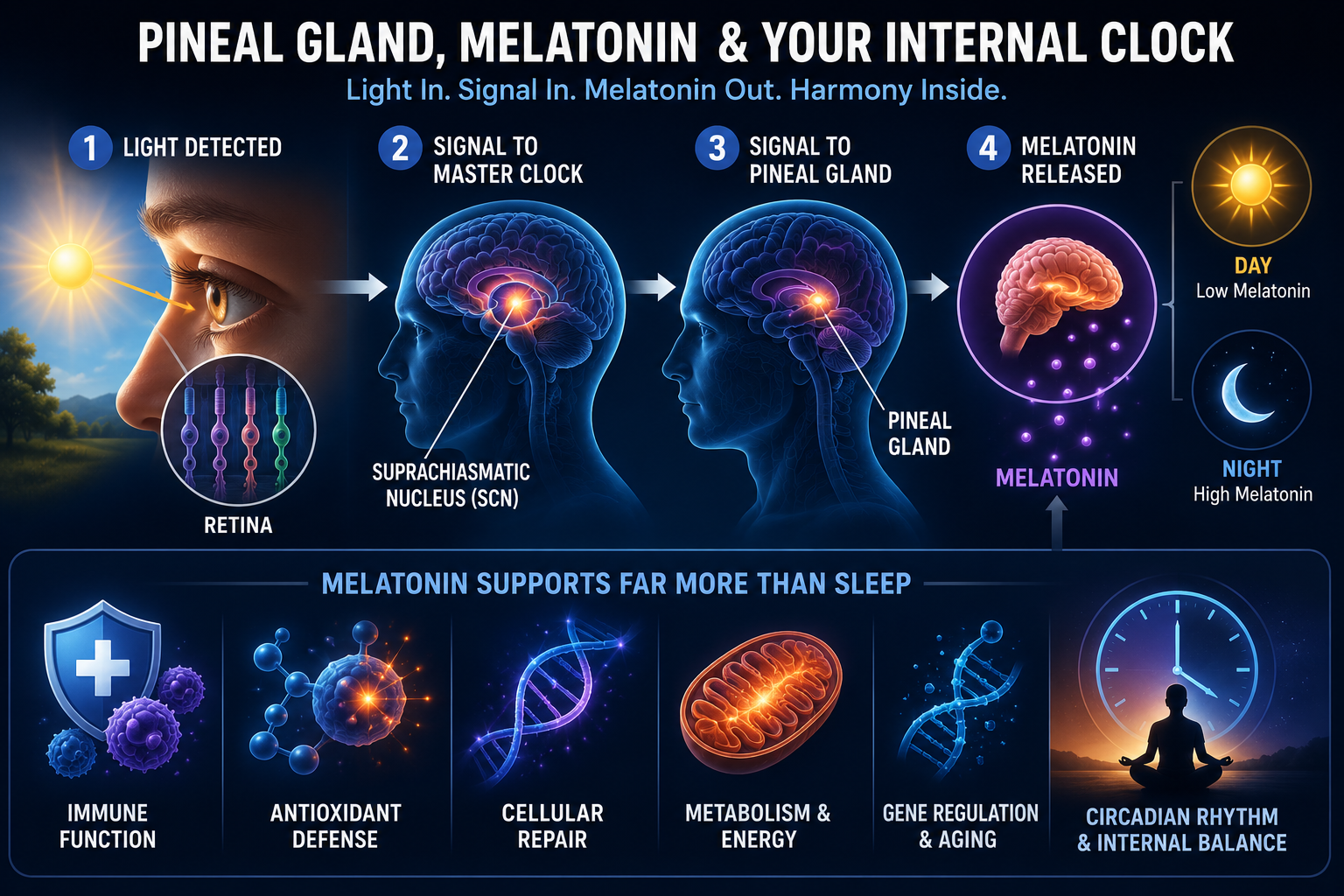
In many animals, disruptions in pineal gland function accelerate age-related decline, while maintaining healthy melatonin rhythms appears to preserve physiological function longer into life [5].
This observation led scientists in the former Soviet Union to become interested in the pineal gland as a potential regulator of aging. Among them was Russian gerontologist Vladimir Khavinson, who proposed that some of the age-related decline seen throughout the body might originate from deterioration of the signaling systems that coordinate cellular function—including those controlled by the pineal gland.
From this research emerged Epithalon.
Buy Epithalon From Elite Research USA
This is where I get my epitalon. Use discount code ED10 for 10% off your order.
Buy hereWhat is Epithalon?
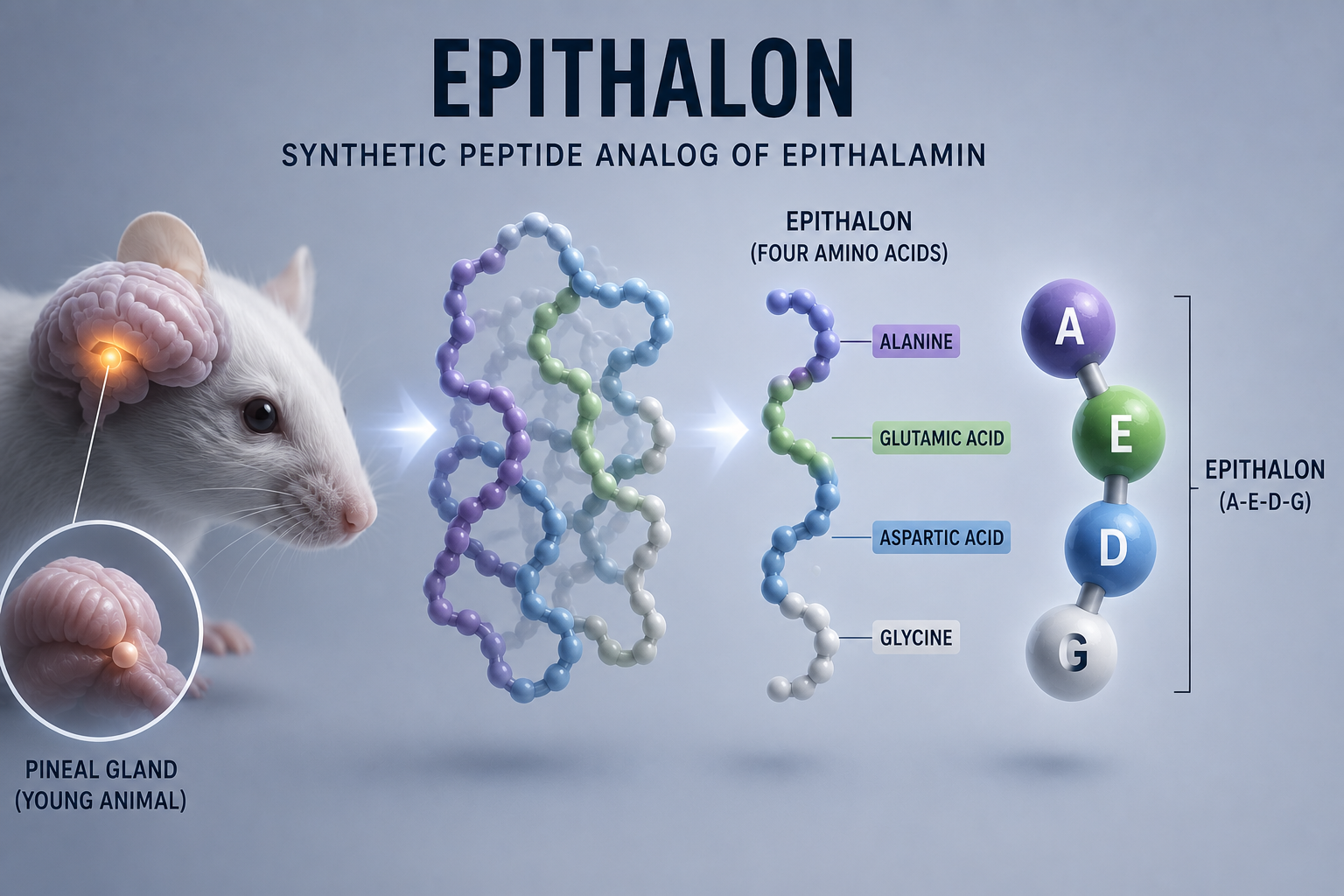
Epithalon is a synthetic peptide consisting of four amino acids: alanine, glutamic acid, aspartic acid, and glycine. It was designed as an analog of epithalamin, a mixture of naturally occurring peptides isolated from the pineal glands of young animals.
The idea was straightforward: if certain pineal peptides help regulate cellular function in youth, perhaps supplying a simplified version of those peptides could restore some of that signaling later in life.
What made Epithalon particularly interesting was that its effects appeared to extend far beyond the pineal gland itself.
Early studies suggested it could influence melatonin production, improve immune function markers, and alter the expression of genes involved in cellular aging [7,10,11]. But the finding that generated the most excitement was its apparent ability to increase telomerase activity [16].
To understand why that matters, we need to take a brief detour into the biology of telomeres—the protective caps found at the ends of your chromosomes.
These structures function much like the plastic tips on shoelaces, preventing genetic material from fraying or becoming damaged each time a cell divides. As we age, telomeres gradually shorten [3,4]. Once they become critically short, cells either stop dividing or enter a dysfunctional state known as senescence.
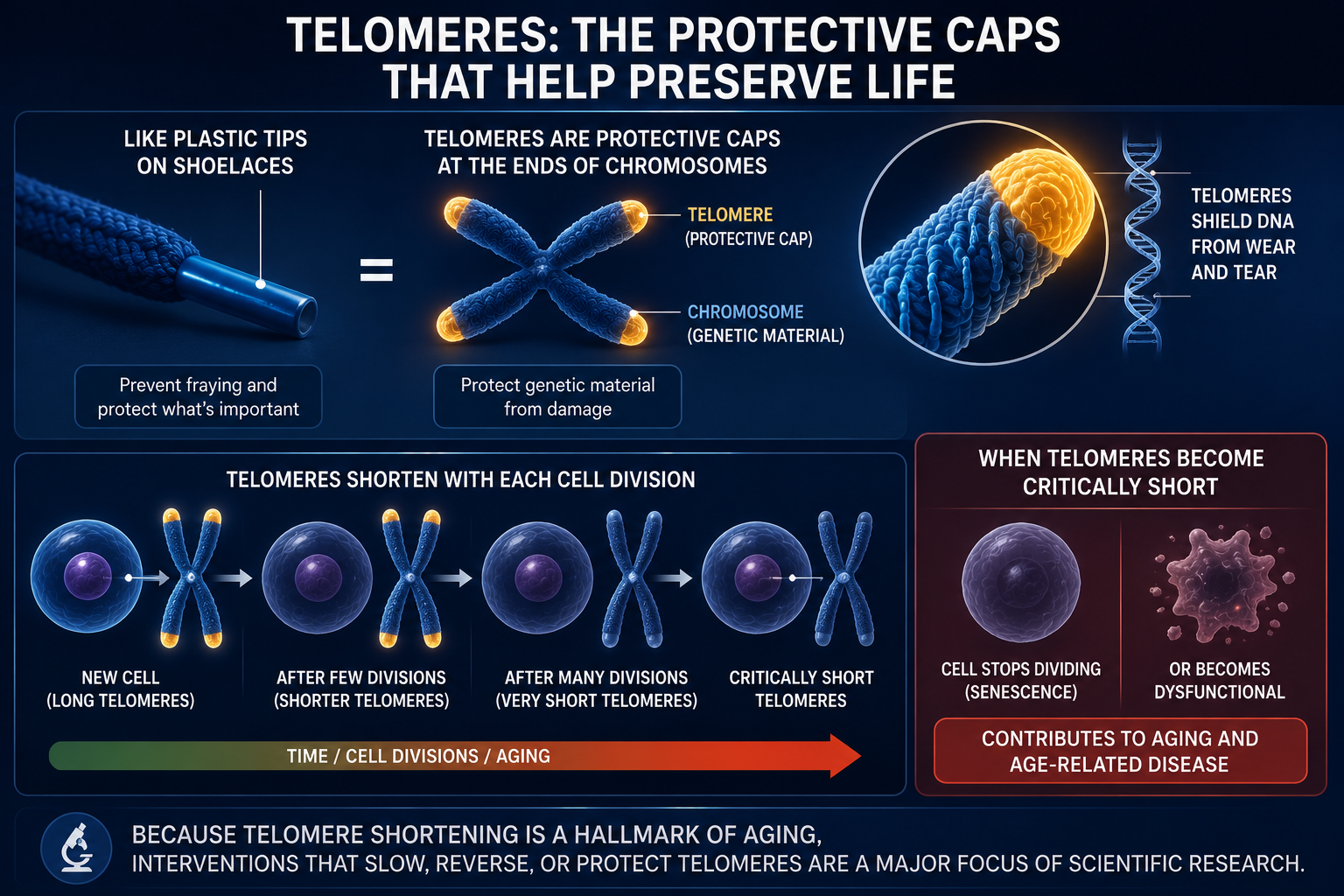
Because telomere shortening is one of the hallmarks of aging, any intervention capable of slowing, reversing, or compensating for that process naturally attracts enormous scientific interest [1].
And that’s where the story of Epithalon becomes both intriguing and controversial.
Does Epithalon Reverse Aging?
And this is where we need to separate scientific curiosity from wishful thinking.
Telomeres are often described as a biological clock, but that analogy can be misleading. While telomere shortening is associated with aging, it is not synonymous with aging itself.
For example, think of gray hair.
Gray hair tends to appear as people get older, so it serves as a marker of aging. But dyeing your hair back to its original color doesn’t make you biologically younger. You’ve changed a marker associated with aging without necessarily altering the underlying processes that drive it.
Telomeres may be similar in this respect.
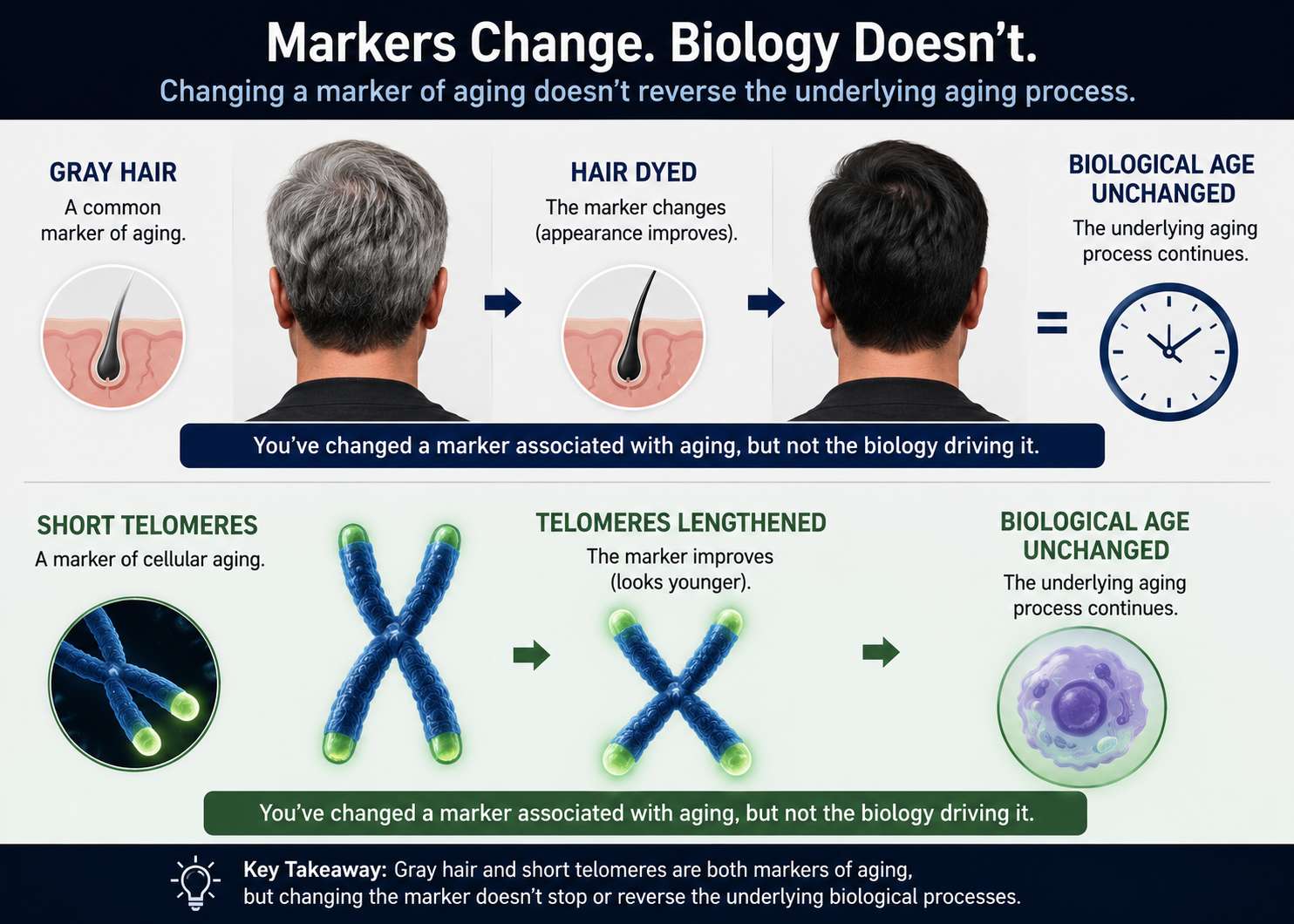
Longer telomeres alone do not prove that a person will live longer, remain healthier, or experience a meaningful reversal of aging.
In fact, there are several reasons to be cautious about telomere lengthening, by itself, as a marker of youth or a sign of reversing aging.
For starters, different tissues age at different rates. Extending telomeres in blood cells does not automatically mean the same thing is happening in the heart, brain, muscles, liver, or other organs.
A blood test might show longer telomeres while other age-related changes continue largely unaffected.
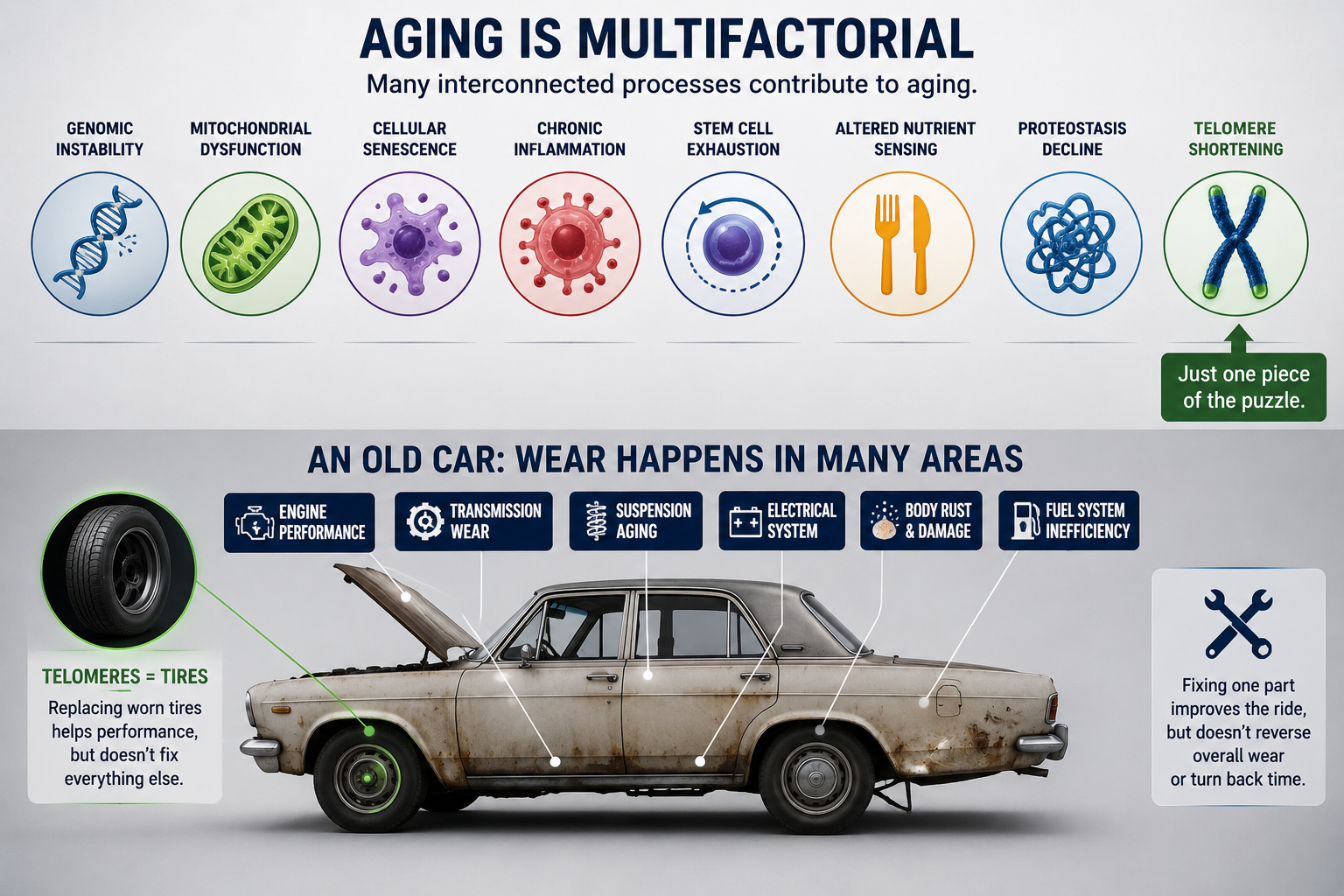
Second, aging is now understood as a multifaceted process involving numerous interconnected mechanisms. Researchers often refer to these as the “hallmarks of aging,” which include genomic instability, mitochondrial dysfunction, cellular senescence, chronic inflammation, stem cell exhaustion, altered nutrient sensing, and several other processes [1].
Telomere shortening is only one item on that list.
Imagine an old car that’s accumulated wear over hundreds of thousands of miles. Telomeres might represent the condition of the tires.
Replacing worn tires is valuable, but it doesn’t automatically repair the transmission, replace aging suspension components, or restore engine performance. Replacing the tires may make the vehicle run better, but it does not turn back the clock, nor does it affect the other parts of the car that have suffered at the hands of time.
There is another reason scientists pay close attention to telomerase activation.
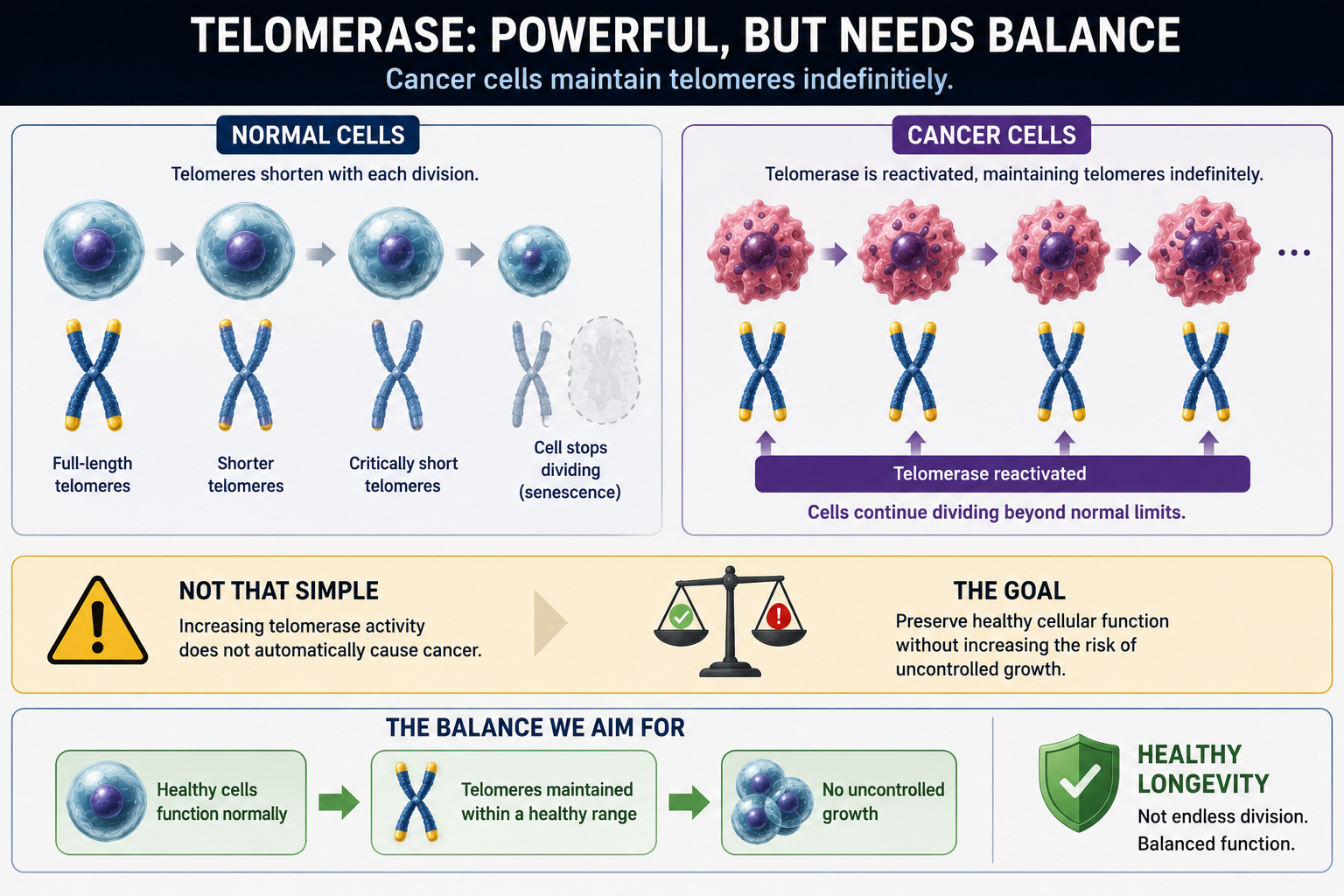
One of the defining features of cancer cells is their ability to maintain their telomeres indefinitely [2,4]. Most normal cells eventually stop dividing when their telomeres become critically short. Cancer cells often bypass this limit by reactivating telomerase, allowing them to continue reproducing far beyond normal biological constraints.
This does not mean that increasing telomerase activity automatically causes cancer. The relationship is considerably more complex than that. But it does mean that researchers approach any telomerase-activating intervention with caution.
The goal is not simply to make cells divide forever. The goal is to preserve healthy cellular function without increasing the risk of uncontrolled growth.
What makes Epithalon interesting is not merely that some studies report telomere lengthening.
It’s that researchers have also reported changes in immune function, circadian regulation, and various markers associated with healthy aging.
Whether those findings translate into meaningful benefits in humans remains an open question, but they provide a much stronger basis for investigation and hope than telomere length alone.
What Animal Studies On Epithalon Have Found
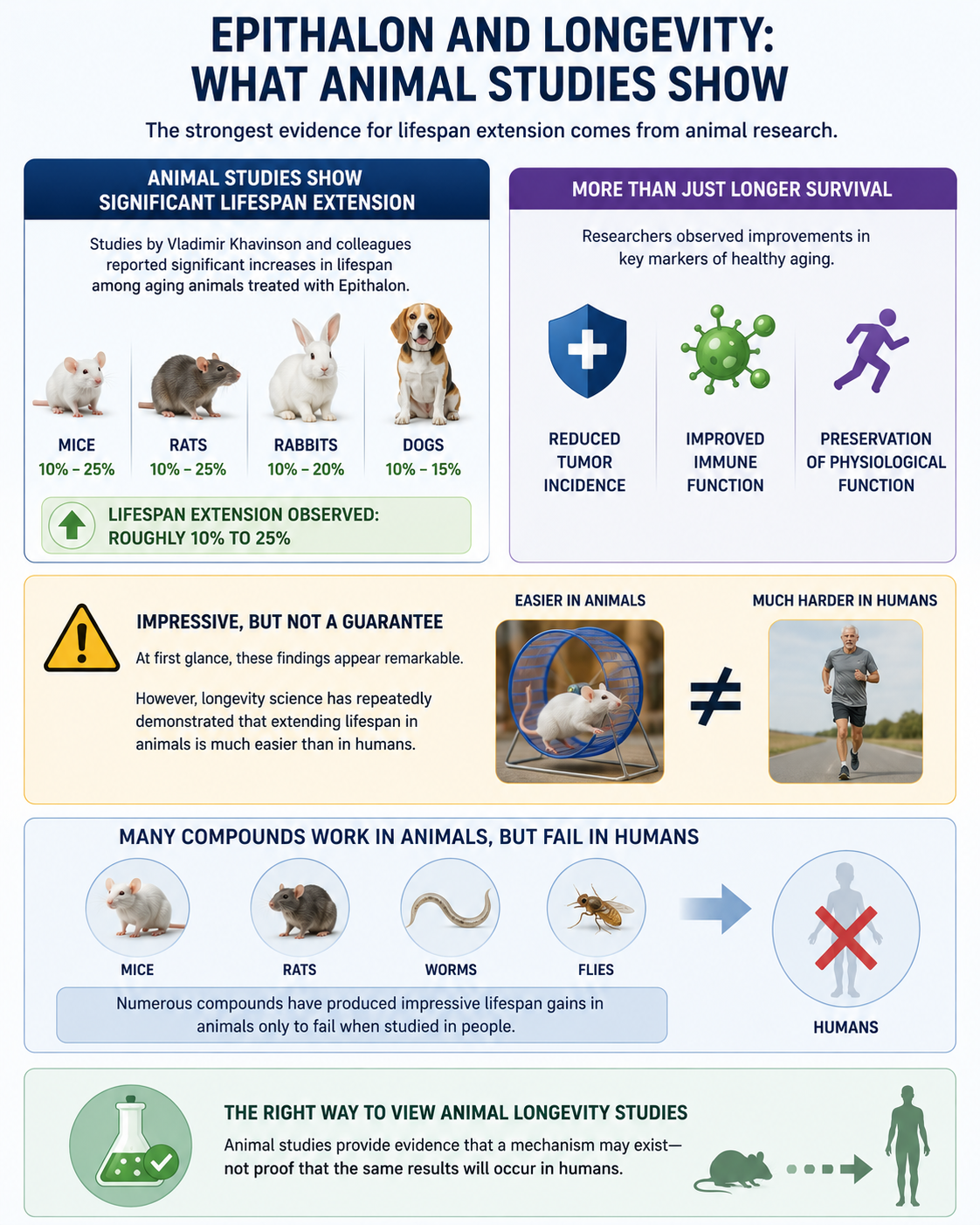
The strongest evidence for lifespan extension comes from animal research.
Several studies conducted by Vladimir Khavinson and colleagues reported significant increases in lifespan among aging animals treated with Epithalon [8].
In some experiments, researchers observed lifespan extensions ranging from roughly 10% to 25%, depending on the species, age of the animals, and study design.
Importantly, these studies did not simply report longer survival.
Researchers also noted improvements in several markers associated with healthy aging, including reduced tumor incidence, improved immune function, and preservation of physiological function later in life [8].
At first glance, these findings appear remarkable.
However, longevity science has repeatedly demonstrated that extending lifespan in animals is much easier than extending lifespan in humans.
Numerous compounds have produced impressive lifespan gains in mice, rats, worms, and flies only to fail when studied in people [18].
For that reason, animal longevity studies should be viewed as evidence that a mechanism may exist—not proof that the same results will occur in humans.
Buy Epithalon From Elite Research USA
This is where I get my epitalon. Use discount code ED10 for 10% off your order.
Buy hereHuman studies on epithalon
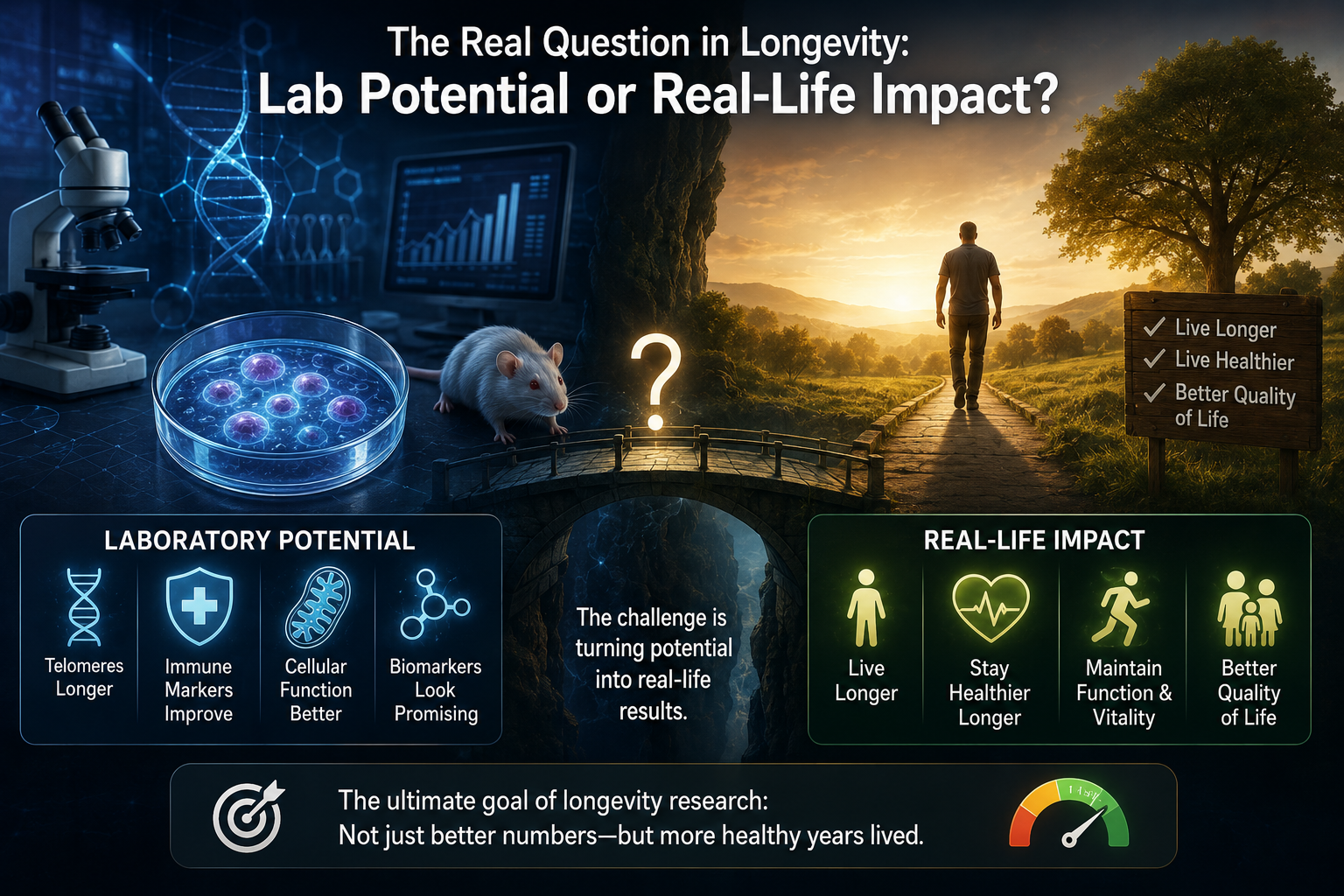
One of the biggest challenges when evaluating longevity interventions is separating what happens in a petri dish from what happens in a living human being.
Many compounds can lengthen telomeres in isolated cells or improve biomarkers in laboratory animals, but far fewer demonstrate meaningful effects in actual people.
This distinction is important because Epithalon’s reputation is built upon a combination of laboratory studies, animal experiments, and human clinical observations.
While the mechanistic evidence surrounding telomerase activation and pineal gland function is intriguing, the two questions remain:
What happened when researchers administered Epithalon to real people?
Can it help you live longer?
The answer depends on how strictly you define “proof.”
The available research suggests that Epithalon may influence several biological processes associated with aging, including telomere maintenance, circadian regulation, immune function, oxidative stress, and cellular repair. The more difficult question is whether those changes actually translate into a longer life.
This distinction matters because many interventions improve biomarkers without extending lifespan.
The ultimate goal of longevity research is not to make laboratory numbers look better.
The goal is to keep people healthier for longer and, ideally, extend both lifespan and healthspan.
Epithalon and gene expression and epigenetic regulation
Perhaps the most intriguing aspect of Epithalon research is its potential influence on gene expression.
To understand why this matters, it’s helpful to remember that nearly every cell in your body contains essentially the same DNA.
A skin cell, a liver cell, and a neuron all possess the same genetic blueprint. What makes them different is which genes are turned on, which genes are turned off, and how strongly those genes are expressed.
This process is known as gene expression.
As we age, the regulation of gene expression becomes less precise. Genes involved in repair, cellular maintenance, stress resistance, and normal metabolic function may become less active, while genes associated with inflammation and dysfunction may become more active.
Epithalon appears to work some of its magic at this level.
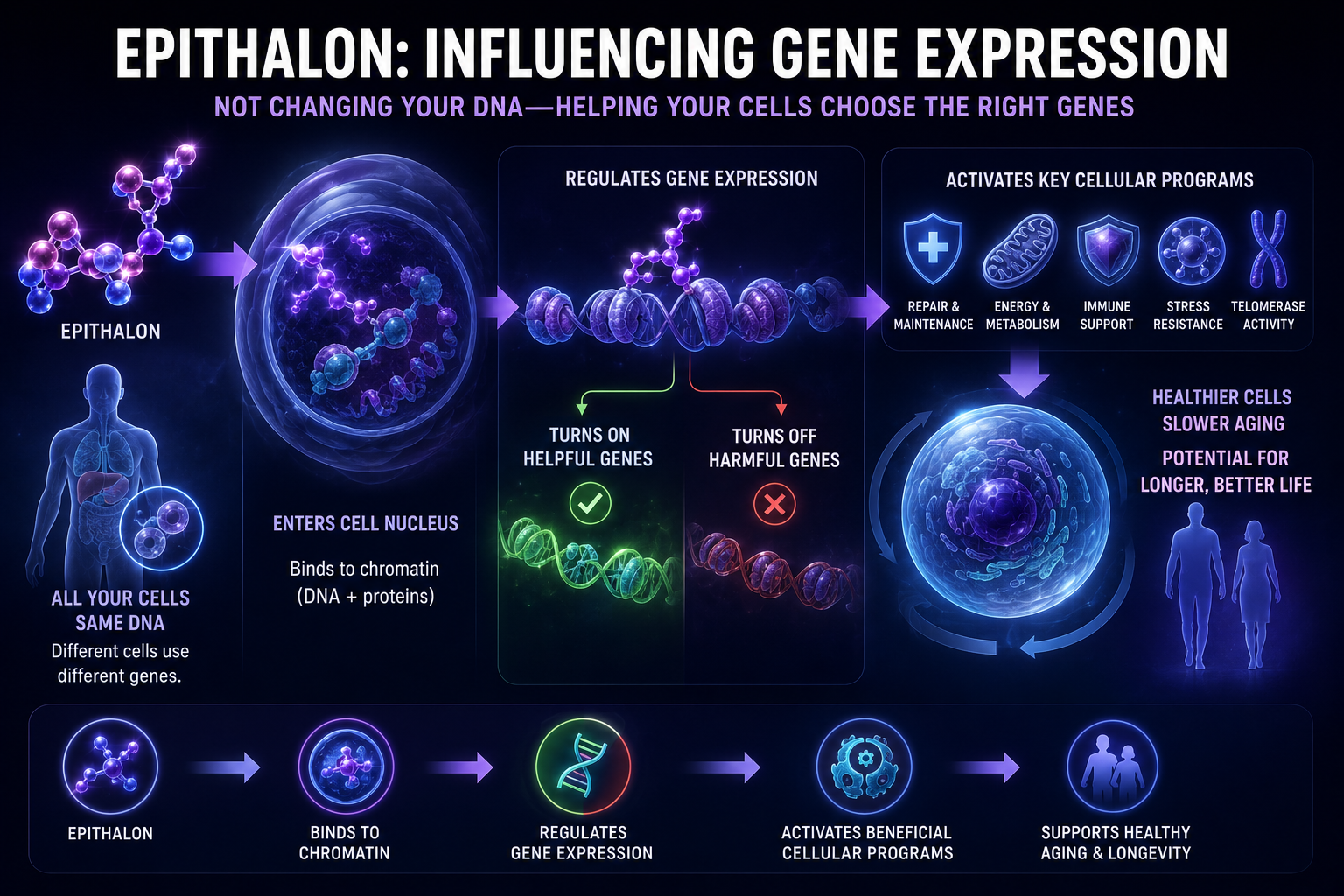
Research from Khavinson’s group suggests that Epithalon may interact directly with chromatin—the complex of DNA and proteins that packages genetic material inside the nucleus [7]. According to this model, epithalon can bind to specific regions of DNA or associated proteins and influence which genes are available for transcription.
This means that epithalon may function less like a building block and more like a biological signal. Rather than becoming part of a new tissue itself, it may help instruct cells on which proteins to produce and which cellular programs to activate.
Some laboratory studies have reported increased expression of genes involved in cellular repair, protein synthesis, stress resistance, and telomerase activity following Epithalon treatment [7]. The idea proposed by researchers is that these changes could help maintain more youthful patterns of cellular function.
This idea aligns with a broader theory of aging sometimes called “epigenetic drift.”
Over time, cells gradually lose some of their ability to maintain the precise patterns of gene expression that characterize healthy tissue.
If a compound could help restore portions of that regulatory system, it might improve cellular function even without altering the underlying DNA sequence.
Buy Epithalon From Elite Research USA
This is where I get my epitalon. Use discount code ED10 for 10% off your order.
Buy hereEpithalon’s antioxidant effects and buffering of oxidative stress
Another proposed benefit of Epithalon is its ability to reduce oxidative stress.
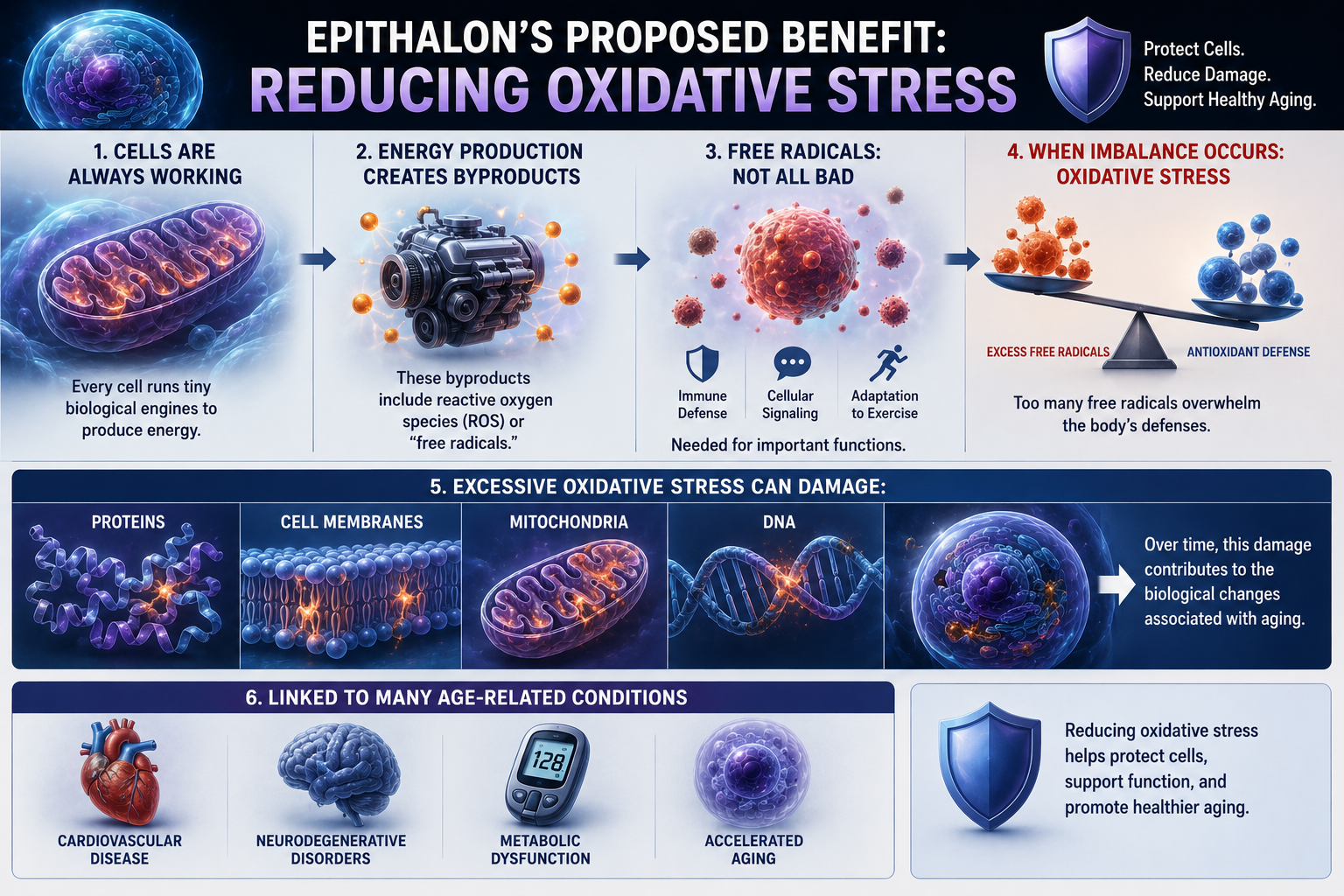
Imagine that every cell in your body is constantly running tiny biological engines. Whether you’re thinking, exercising, digesting food, or simply staying alive, your cells are continuously producing energy. Like any engine, this process generates byproducts.
Some of these byproducts are highly reactive molecules known as reactive oxygen species, or ROS. These molecules are often called “free radicals.”
Free radicals are not inherently bad. In fact, your body uses them for important functions such as immune defense, cellular signaling, and adaptation to exercise. Problems arise when their production exceeds the body’s ability to control them.
This imbalance is known as oxidative stress.
Over time, excessive oxidative stress can damage proteins, cell membranes, mitochondria, and even DNA. Scientists believe it contributes to many of the biological changes associated with aging, as well as conditions such as cardiovascular disease, neurodegenerative disorders, and metabolic dysfunction [1,6].
How epithalon potentially deals with oxidative stress
Several animal and laboratory studies suggest that Epithalon may improve the body’s antioxidant defenses.
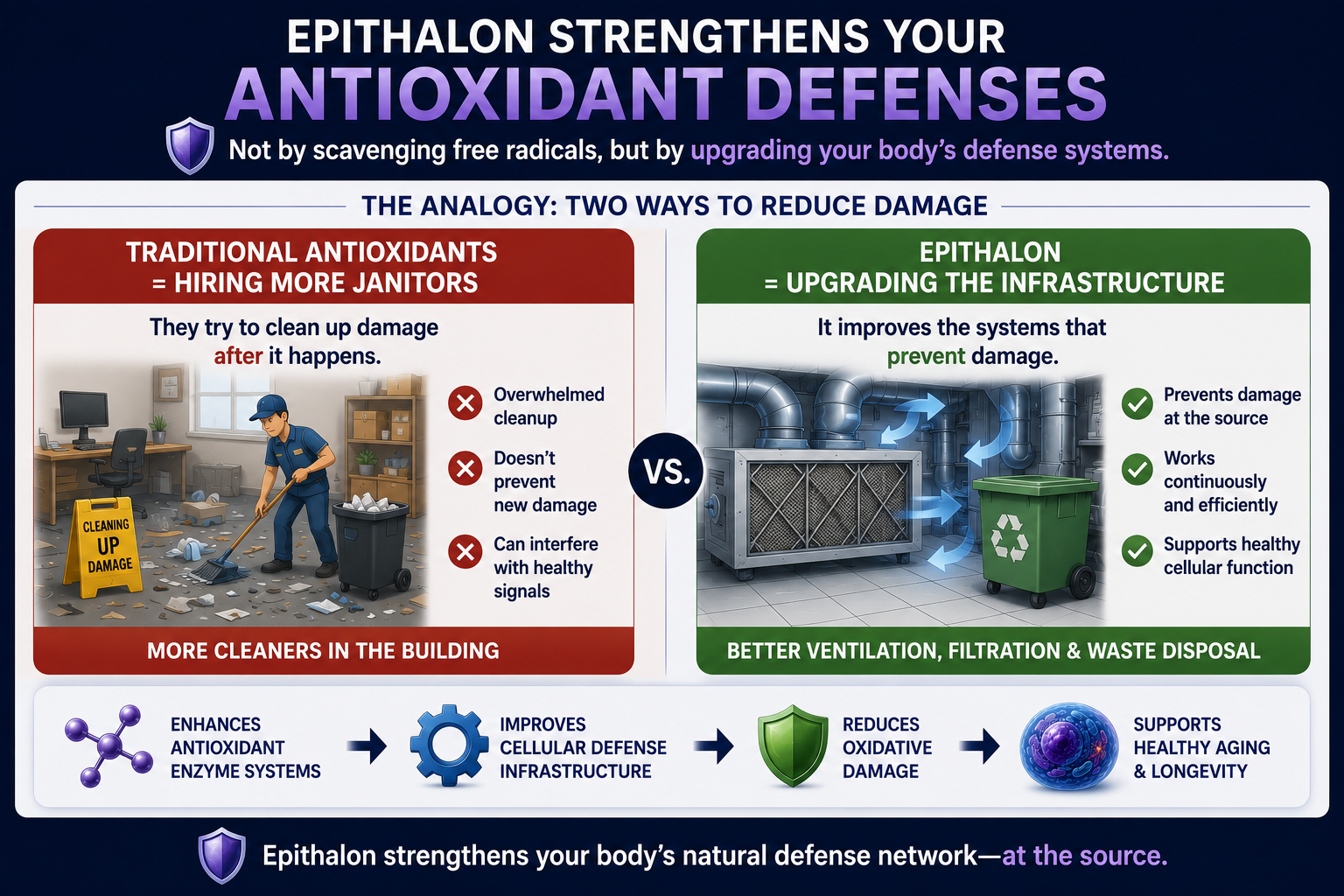
Rather than acting as a conventional antioxidant that directly neutralizes free radicals, it appears to influence the cellular systems that manage oxidative stress.
Researchers have reported increases in the activity of antioxidant enzymes such as superoxide dismutase, catalase, and glutathione-related pathways following treatment with Epithalon [17].
These enzymes serve as the body’s internal cleanup crew, converting potentially damaging reactive molecules into less harmful compounds before they can cause significant cellular damage.
Some studies have also observed reductions in markers of lipid peroxidation, a process in which free radicals attack cell membranes [17]. Lower levels of these markers suggest that cells may be experiencing less oxidative damage.
One way to think about the difference is this:
Taking a traditional antioxidant is like hiring additional janitors to clean a building.
Improving your body’s antioxidant enzyme systems is more like upgrading a building’s ventilation, filtration, and waste-disposal infrastructure so that less damage occurs in the first place.
This distinction is important because large-scale studies of antioxidant supplements have often produced disappointing results. Simply flooding the body with external antioxidants does not necessarily improve health outcomes and can sometimes interfere with beneficial cellular signaling.
The body’s own antioxidant systems are far more sophisticated and tightly regulated than anything that can be replicated by a single supplement.
Epithalon’s effects on visual preservation and retinal health
One of the more surprising areas of Epithalon research involves the eyes.
The retina is a thin layer of light-sensitive tissue located at the back of the eye. It functions much like the sensor in a digital camera, converting incoming light into electrical signals that the brain interprets as vision.
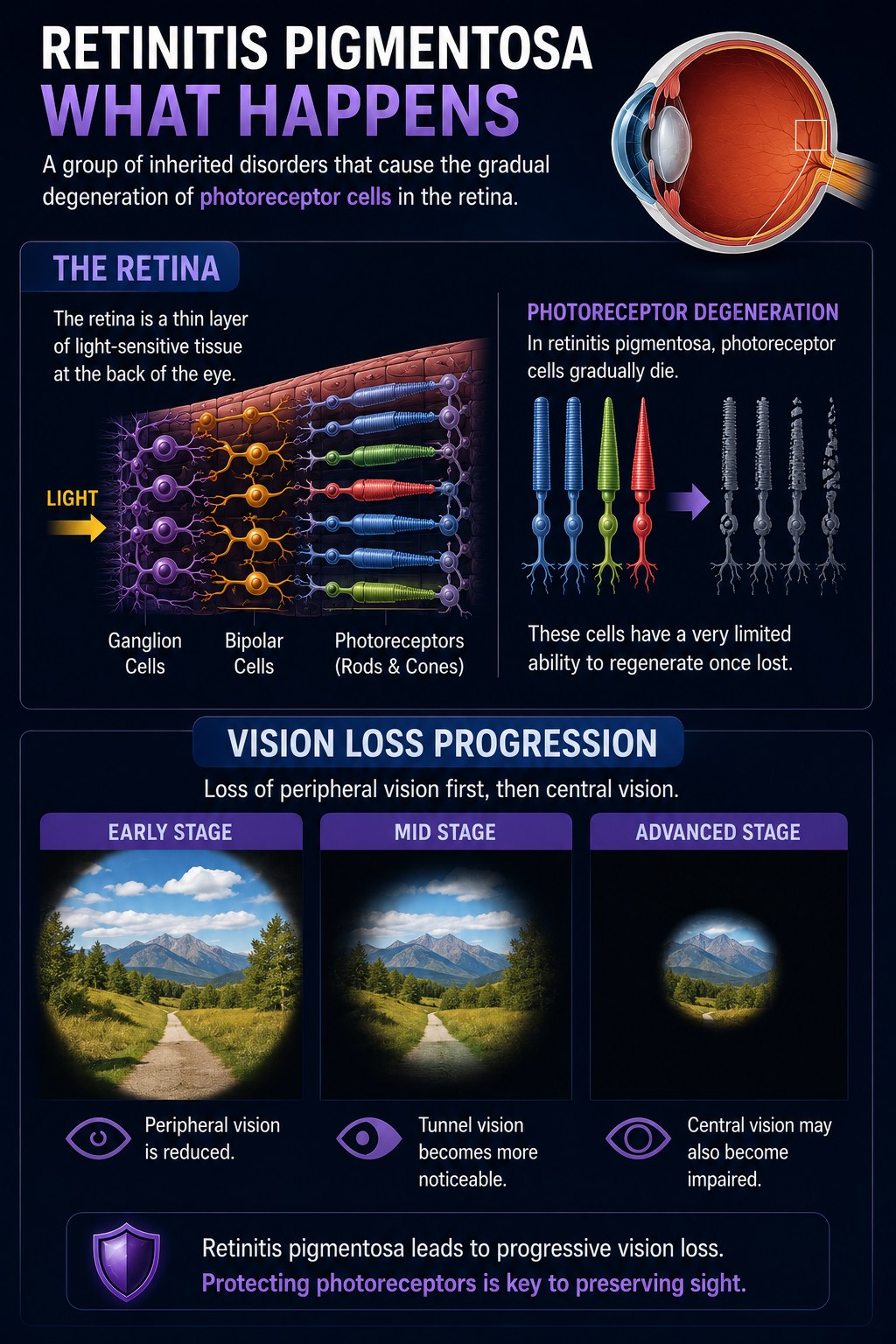
Because retinal cells are highly metabolically active, they consume enormous amounts of energy and are particularly vulnerable to oxidative stress, inflammation, and age-related degeneration. Unlike many other tissues in the body, retinal neurons have a very limited ability to regenerate once they are lost.
This makes retinal diseases especially devastating.
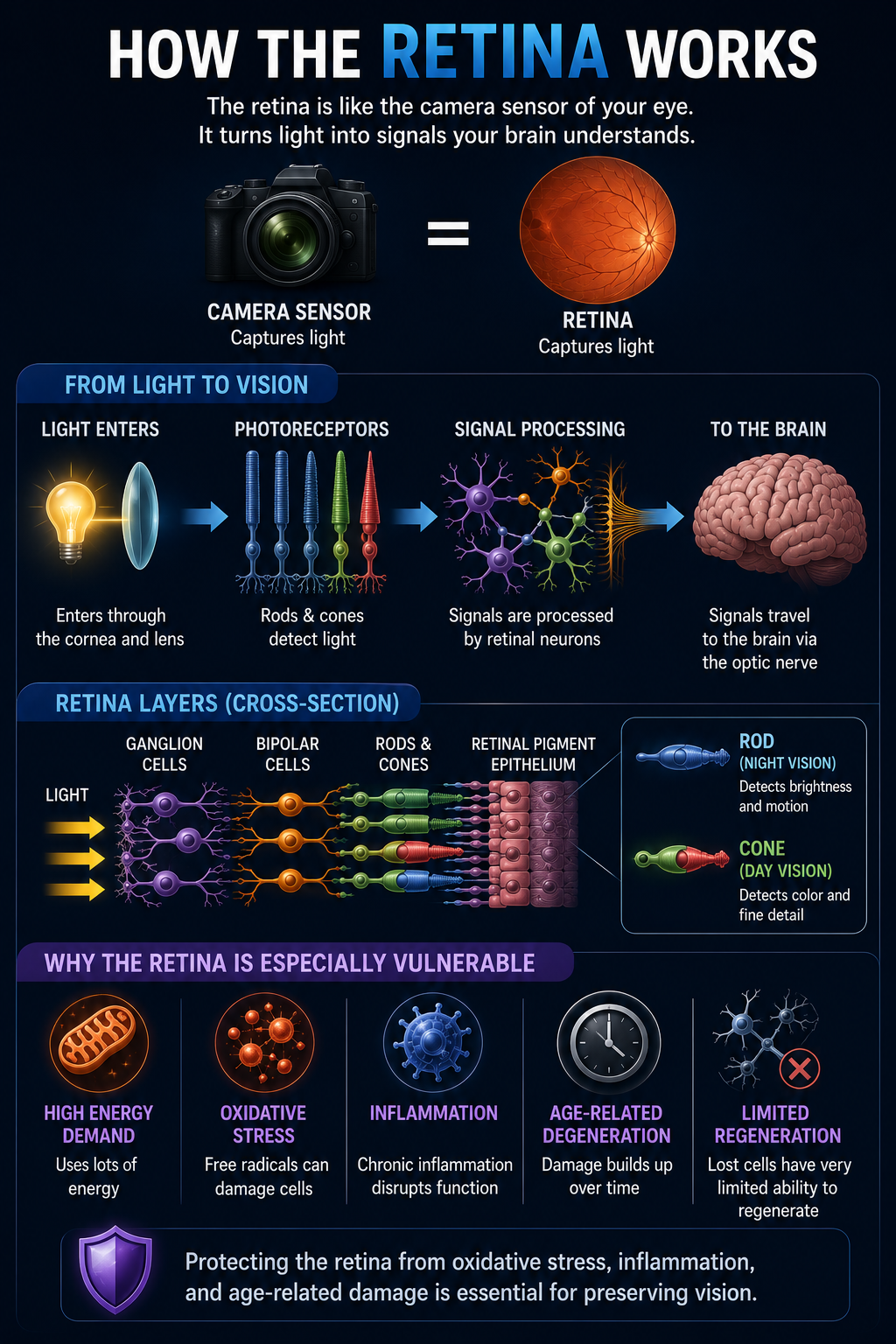
One condition that has attracted attention in Epithalon research is retinitis pigmentosa, a group of inherited disorders characterized by the gradual degeneration of photoreceptor cells in the retina.
People with retinitis pigmentosa typically lose peripheral vision first, often developing what is commonly described as “tunnel vision.” As the disease progresses, central vision may also become impaired.
Several studies from Russian researchers reported that treatment with Epithalon was associated with improvements in visual function among patients with retinal degenerative diseases, including retinitis pigmentosa [17].
The most notable finding was not necessarily an improvement in visual acuity—the ability to read smaller letters on an eye chart—but rather stabilization of the disease process and expansion of peripheral visual fields in some patients [17].
How Epithalon might improve peripheral vision
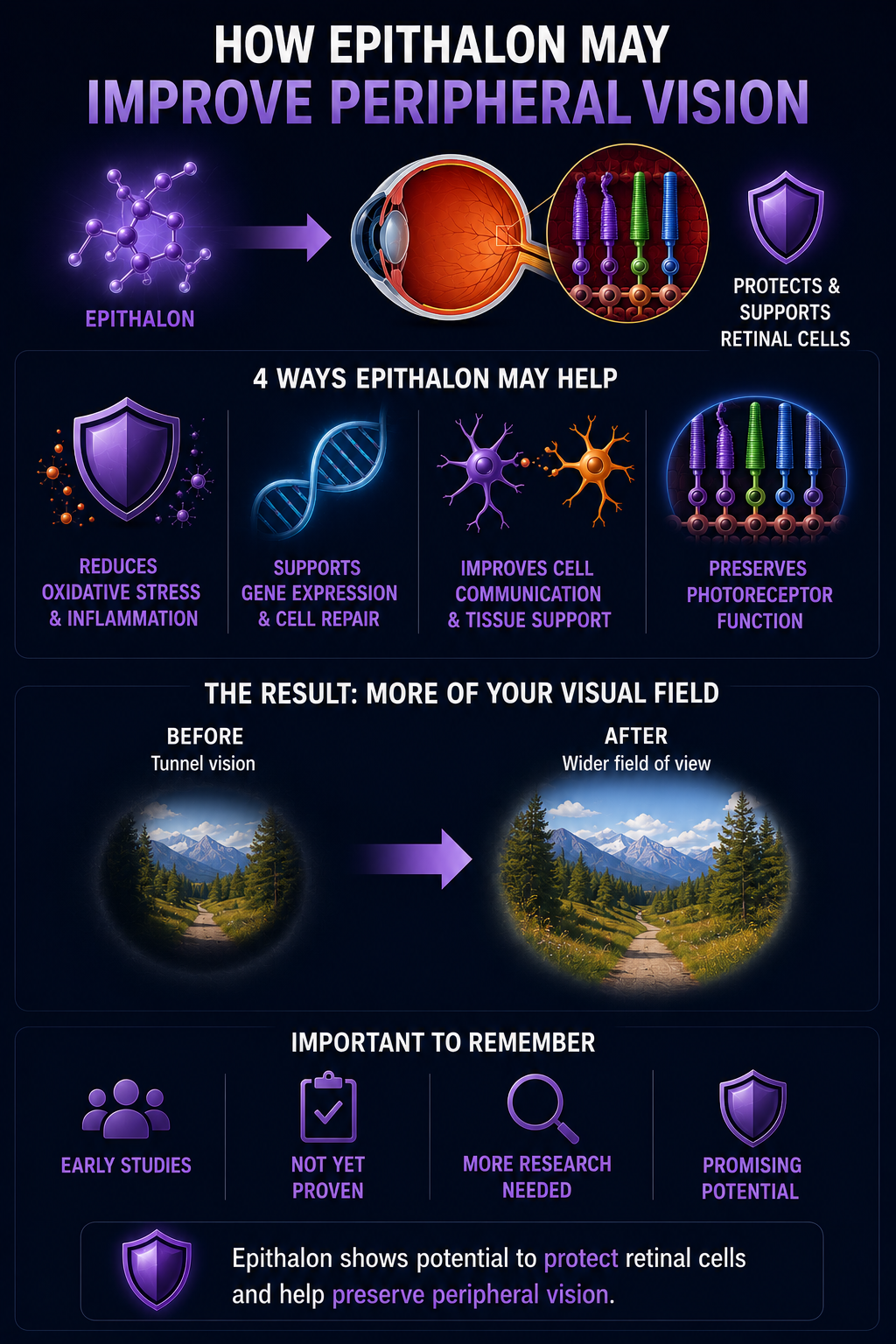
Researchers have proposed several mechanisms that could explain these observations.
One possibility is that Epithalon’s reported antioxidant and anti-inflammatory effects help protect retinal cells from ongoing damage.
Another is that its influence on gene expression and cellular repair pathways may help support the survival of stressed photoreceptor cells.
Some investigators have also suggested that peptide bioregulators may improve communication between retinal cells and surrounding support tissues.
At present, however, the exact mechanism remains uncertain. It’s also important to understand the limitations of the evidence.
Although these findings are encouraging, they come primarily from small clinical studies and have yet to be confirmed by large independent trials.
For that reason, it would be inaccurate to describe Epithalon as a proven treatment for retinitis pigmentosa or other retinal diseases.
The existing research suggests a potential protective effect on retinal function that warrants further investigation.
Among the many proposed benefits of Epithalon, its reported effects on vision are noteworthy because they involve a measurable clinical outcome in humans rather than a laboratory biomarker.
Epithalon’s effects on sleep
While Epithalon is often discussed as a longevity peptide, many people become interested in it for a much simpler reason: they want better sleep.
This interest stems from Epithalon’s close relationship with the pineal gland, the small endocrine organ responsible for producing melatonin and regulating the body’s circadian rhythms. Because sleep quality often declines with age, researchers became interested in whether supporting pineal gland function might help restore healthier sleep patterns in older adults.
Why sleep changes with age
Many people assume poor sleep is simply an unavoidable consequence of getting older.
The reality is more complicated.
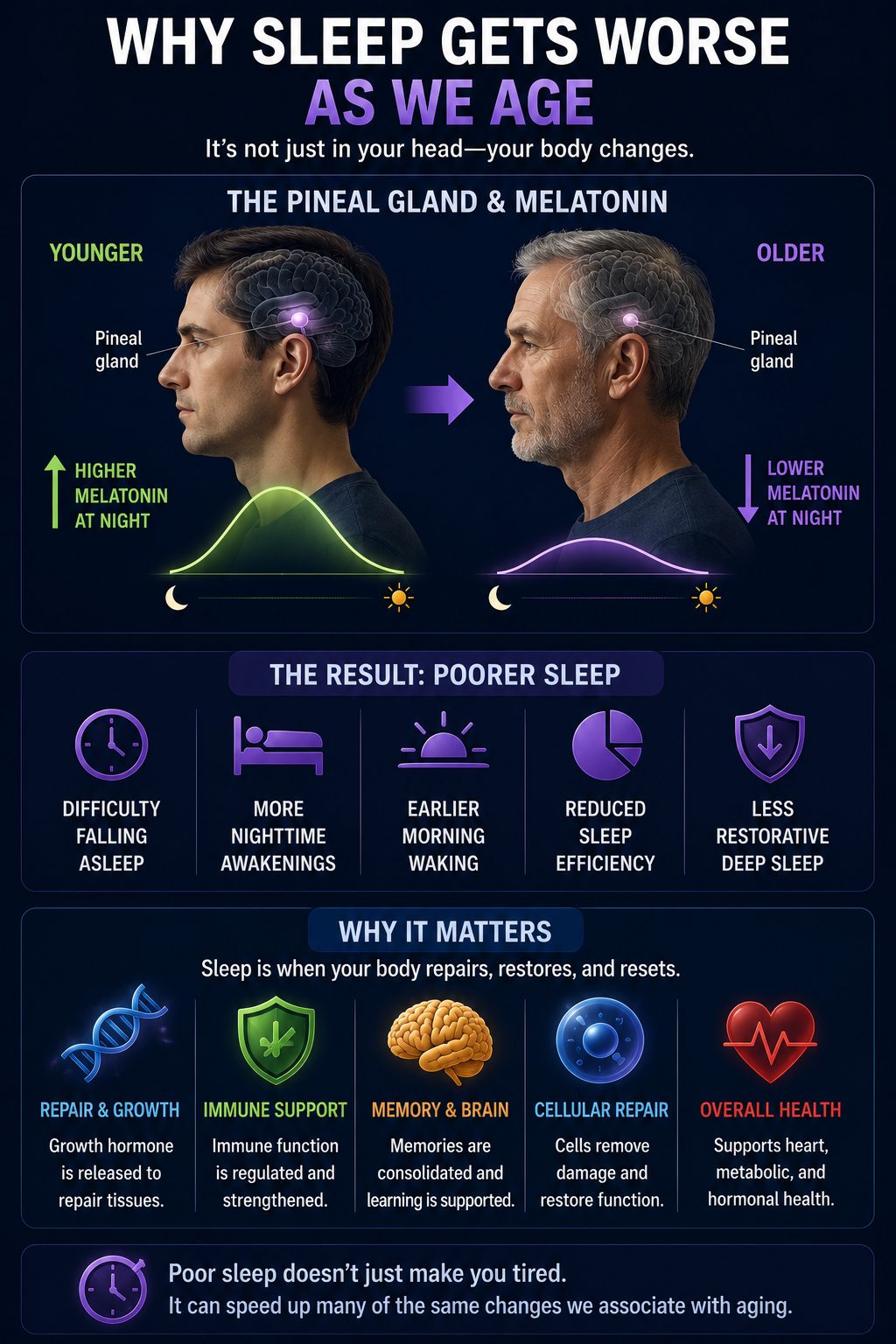
As we age, the pineal gland gradually loses some of its ability to produce melatonin. Research has shown that nighttime melatonin secretion often declines significantly in older adults compared to younger individuals [5,11].
The result can include:
- Difficulty falling asleep
- More frequent nighttime awakenings
- Earlier morning waking
- Reduced sleep efficiency
- Less restorative deep sleep
These changes do more than leave people feeling tired.
Sleep is one of the primary periods during which the body performs repair and maintenance. During sleep, growth hormone is released, immune function is regulated, memories are consolidated, and numerous cellular repair processes are activated.
Poor sleep can therefore accelerate many of the same biological changes associated with aging.
How epithalon may improve sleep
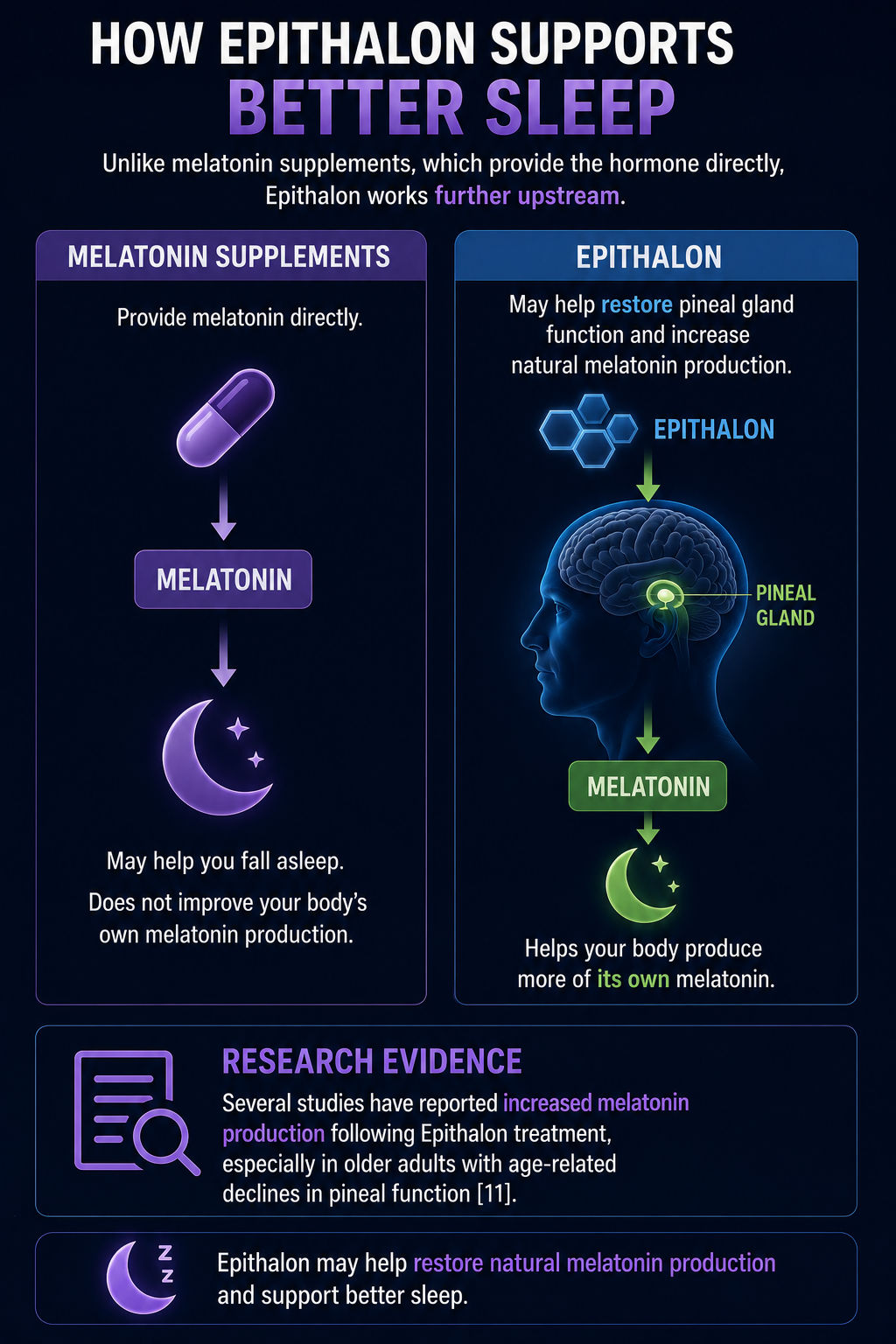
Unlike melatonin supplements, which provide the hormone directly, Epithalon appears to work further upstream.
Research suggests that Epithalon may help restore the functional activity of the pineal gland itself. Several studies have reported increased melatonin production following treatment, particularly in older individuals with age-related declines in pineal function [11].
This is one of the reasons researchers became interested in Epithalon as a potential sleep-support compound. Rather than replacing melatonin, it may help the body produce more of its own.
Buy Epithalon From Elite Research USA
This is where I get my epitalon. Use discount code ED10 for 10% off your order.
Buy hereEpithalon vs. Melatonin
A common question is whether Epithalon works better than melatonin supplementation.
The answer is that the two compounds appear to address different aspects of the same system.
If melatonin is the product, the pineal gland is the factory.
Taking melatonin supplements is like importing additional products from outside the factory. Epithalon’s proposed mechanism is more like repairing the factory so it can resume normal production on its own.
In this sense, the two approaches are not necessarily competing. Melatonin supplementation attempts to replace a missing signal, while Epithalon is theorized to support the system responsible for producing that signal in the first place.
Whether Epithalon can consistently achieve this effect in humans remains an active area of investigation, but the possibility of supporting the body’s natural melatonin production remains one of the most biologically plausible explanations for its reported effects on sleep.
Epithalon and immune function
One of the less discussed—but potentially most important—areas of Epithalon research involves the immune system.
While telomeres and longevity tend to capture headlines, many of the age-related diseases that ultimately shorten human life involve some degree of immune dysfunction. In fact, a growing number of researchers now view immune aging as one of the central drivers of the aging process itself [13,14].
To understand why Epithalon’s reported effects on immunity are so intriguing, it’s helpful to first understand what happens to the immune system as we grow older.
The aging immune system
At first glance, the pineal gland and the immune system seem unrelated.
One regulates sleep.
The other fights infections.
However, modern research has revealed extensive communication between the nervous, endocrine, and immune systems.
Melatonin itself is now known to function as more than a sleep hormone [5,6]. Immune cells possess melatonin receptors, and melatonin influences immune signaling, inflammatory responses, antioxidant defenses, and cellular repair.
This means that age-related declines in pineal gland function may have consequences that extend far beyond sleep quality.
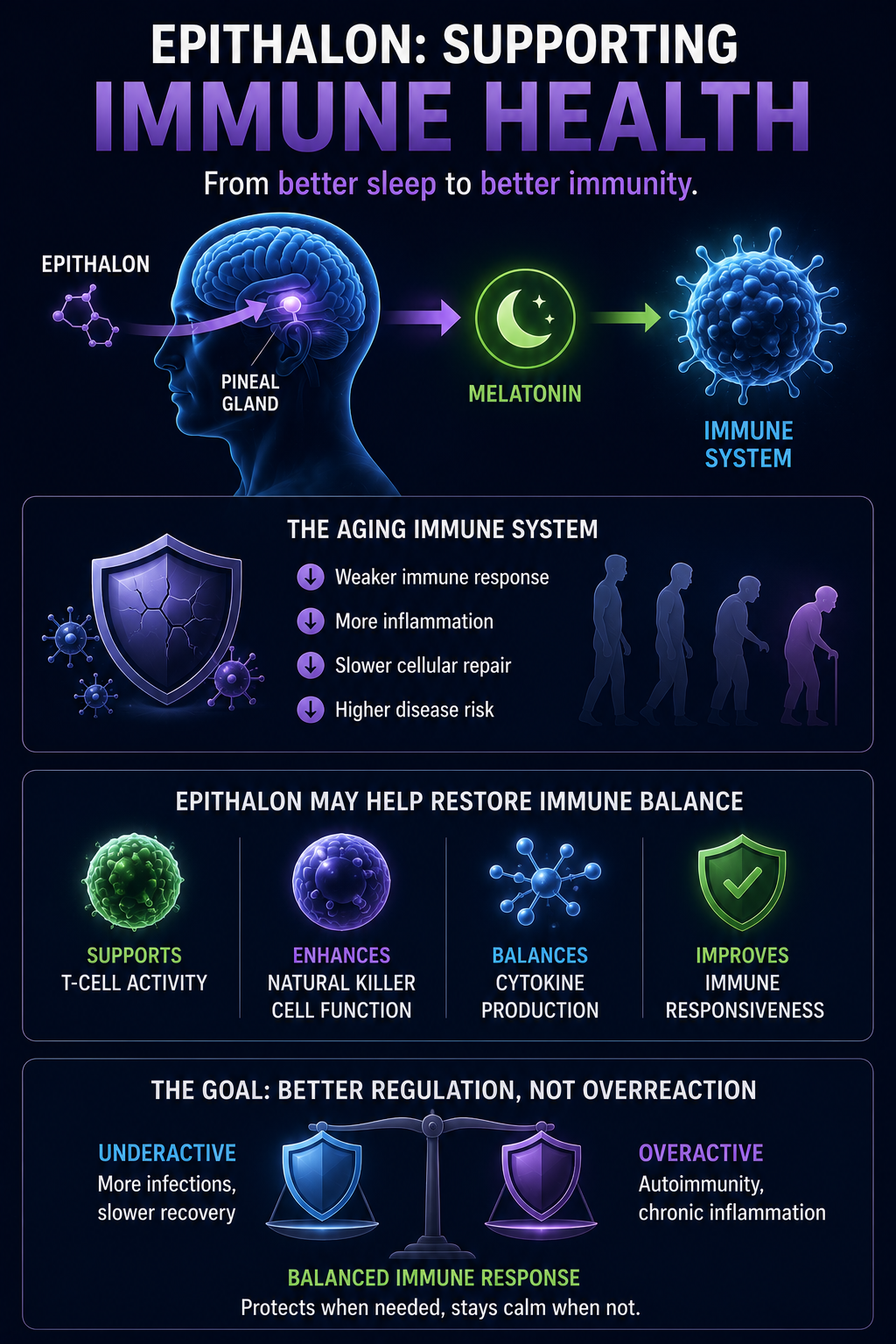
Several studies involving Epithalon and related peptide bioregulators have reported improvements in immune-function markers.
Researchers have observed changes in:
- T-lymphocyte activity [10,14]
- Natural killer cell function
- Cytokine production
- Immune responsiveness in elderly individuals
These findings suggest that Epithalon may help restore aspects of immune regulation that commonly deteriorate with age.
Some studies have also reported reductions in inflammatory markers, potentially indicating a shift toward a more balanced immune state [13].
Importantly, the goal is not to create a stronger immune system in the sense of making it more aggressive.
An overly active immune system can be just as problematic as an underactive one, contributing to autoimmune disease and chronic inflammation.
Instead, the ideal outcome is improved immune regulation—a system that responds appropriately to threats without remaining chronically activated.
The role of thymic aging
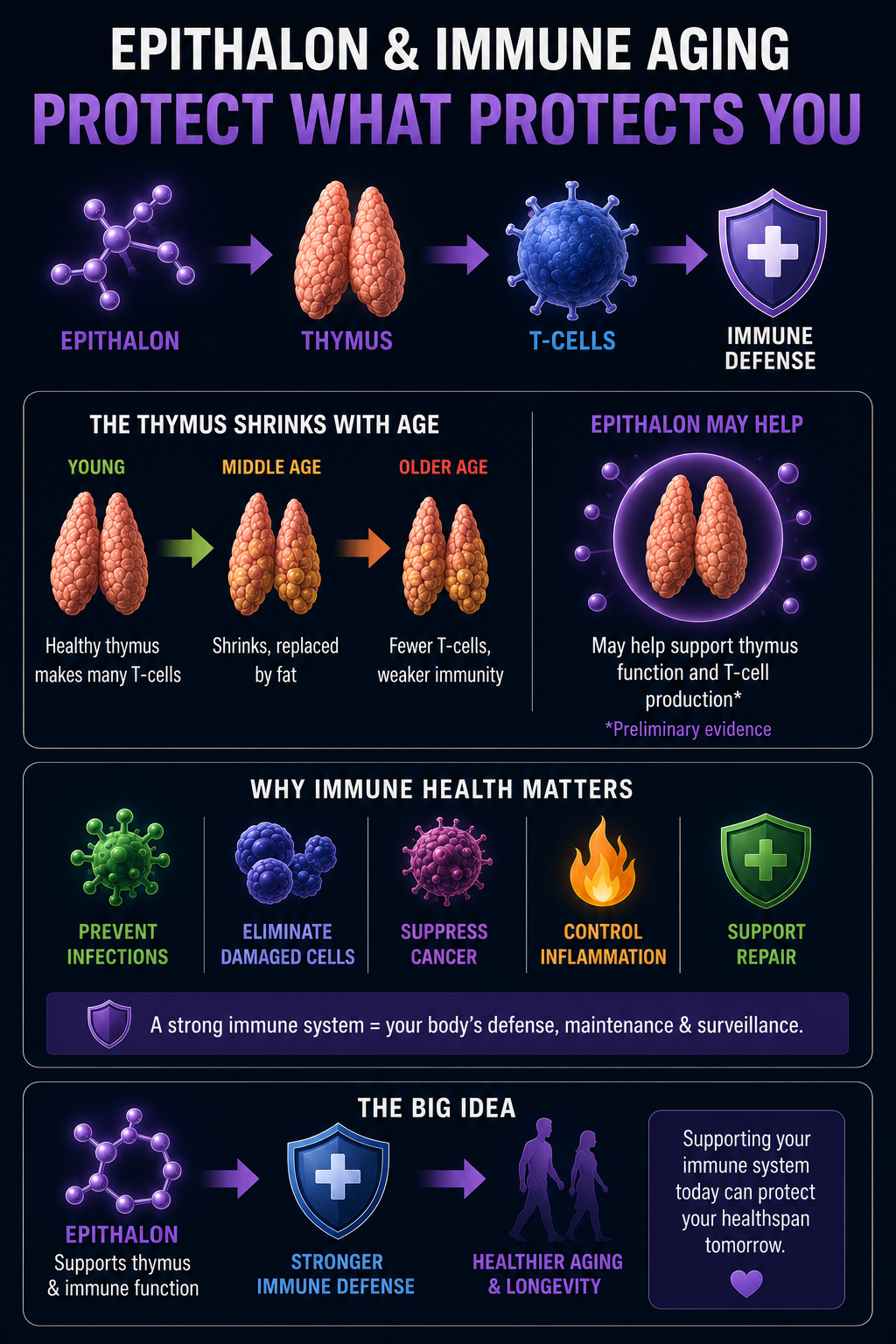
Another reason researchers became interested in Epithalon involves the thymus.
The thymus is a specialized immune organ responsible for producing and educating T-cells, which play a central role in adaptive immunity.
Unfortunately, the thymus begins shrinking surprisingly early in life.
By middle age, much of the thymus has been replaced by fatty tissue, reducing the body’s ability to generate new T-cells. This decline is considered one of the major contributors to immunosenescence [12].
Some researchers have speculated that peptide bioregulators may help preserve or support aspects of thymic function, though the evidence remains preliminary.
If true, this could partially explain some of the immune-related findings reported in aging populations.
When people think about longevity, they often focus on wrinkles, muscle mass, or lifespan.
But one of the most reliable predictors of healthy aging may be the ability to maintain a resilient immune system.
A healthy immune system helps:
- Prevent infections
- Eliminate damaged cells
- Suppress cancer development
- Control inflammation
- Support tissue repair
In many ways, the immune system functions as the body’s ongoing maintenance and surveillance network.
As that network deteriorates, biological aging accelerates.
This is why researchers have become increasingly interested in interventions that may preserve immune competence later in life.
Buy Epithalon From Elite Research USA
This is where I get my epitalon. Use discount code ED10 for 10% off your order.
Buy hereWhat the epithalon’s human evidence actually shows
Taken together, the human research on Epithalon presents an intriguing but incomplete picture.
Several studies involving older adults have reported improvements in biomarkers associated with healthy aging [10].
Some of the most frequently cited research has observed lower mortality rates among groups receiving peptide bioregulators compared to control groups over several years of follow-up [10,15].
These findings have attracted considerable interest because mortality is one of the few outcomes that cannot easily be dismissed as a laboratory artifact.
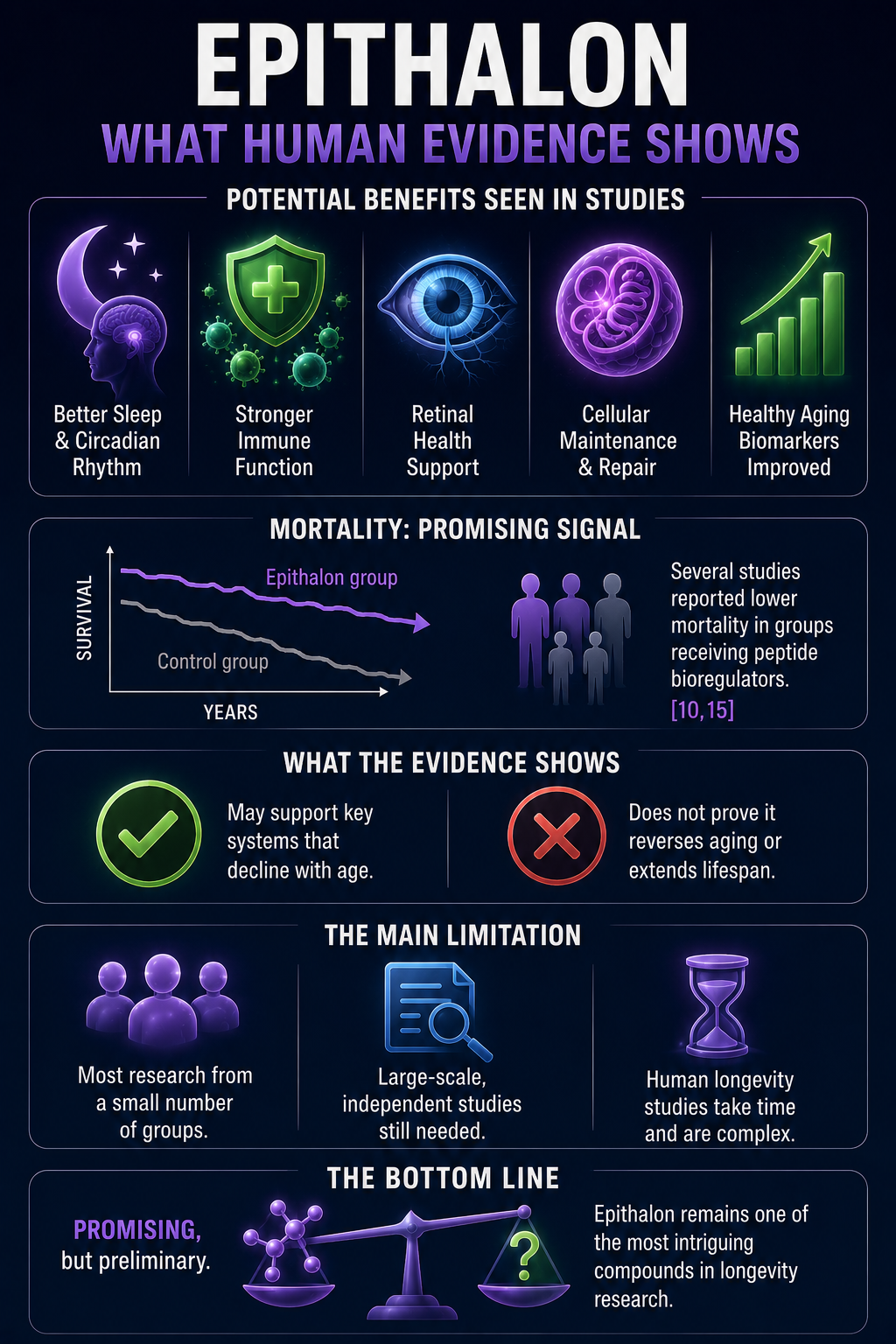
At the same time, human longevity research is inherently difficult to conduct. Unlike animal experiments, researchers cannot monitor entire human lifespans under controlled conditions. Studies often require decades of follow-up and are vulnerable to numerous confounding factors that can influence outcomes.
As a result, the available evidence does not prove that Epithalon reverses aging or dramatically extends human lifespan. What it does suggest is that the peptide may influence several biological systems that commonly deteriorate with age, including circadian regulation, immune function, retinal health, and cellular maintenance pathways.
The primary limitation is that much of the available research originates from a relatively small number of research groups, many of which were involved in developing the peptide itself. While the findings are too interesting to dismiss outright, they have not yet been confirmed through the large-scale independent replication that modern medicine typically requires before strong conclusions can be drawn.
For now, the most scientifically accurate position lies somewhere between skepticism and enthusiasm. The evidence is promising, but still preliminary. Epithalon remains one of the more intriguing compounds in longevity research—not because it has definitively solved aging, but because it continues to generate questions that science has yet to fully answer.
The optimistic interpretation of the evidence for epithalon
Supporters of Epithalon point to several observations:
- Increased telomerase activity
- Improved melatonin production
- Enhanced immune function
- Reduced oxidative stress
- Positive findings in retinal disease
- Animal lifespan extension studies
- Reduced mortality observations in elderly populations
Taken together, these findings suggest that Epithalon may influence multiple hallmarks of aging simultaneously.
From this perspective, the peptide represents one of the more comprehensive longevity interventions currently under investigation.
The skeptical interpretation of the evidence for epithalon
Critics note that much of the evidence originates from a small number of research groups and that large independent replications remain limited.
From this perspective, the evidence is intriguing but insufficient to support many of the extraordinary claims commonly found in longevity marketing.
Epitalon Dosage and Protocols
One of the most common questions about Epitalon is also one of the hardest to answer:
What is the correct dose?
The honest answer is that no universally accepted clinical dose exists. Epitalon is not an FDA-approved medication, and large dose-response trials have not established an optimal protocol for sleep, longevity, immune function, or telomere support.
That said, the published and reviewed literature does show some recurring patterns.
Dosages Used in Research
Clinical research summaries report that Epitalon and related pineal peptide protocols have commonly used short treatment cycles rather than continuous daily use.
The most commonly described human protocols include:
- Intramuscular injection: 5–10 mg per day for 10–20 days
- Intranasal administration: 10–30 mg per day for 20–30 days
- Treatment cycles: often followed by several months without treatment before repeating
This cyclical approach makes sense given how Epitalon is theorized to work. It is not being used like a replacement hormone that must be taken every day. Instead, researchers have generally treated it more like a biological signal that may influence cellular regulation, pineal gland function, and aging-related pathways [19].
Why There Is No Standard Protocol
The problem is that Epitalon research has not produced a single standardized dosing model.
Different studies have used different routes of administration, different treatment lengths, and different outcomes. Some research has focused on melatonin production and pineal gland function. Other studies have examined telomerase activity, gene expression, immune function, or lifespan-related markers.
Because of this, it would be misleading to say there is one proven “best” Epitalon dose.
A protocol designed to study circadian rhythm or melatonin production may not be the same as one designed to examine cellular aging, immune regulation, or retinal disease.
Injection vs. Intranasal vs. Oral Epitalon
Most research protocols have involved injectable or intranasal administration.
This matters because Epitalon is a peptide, and peptides can be broken down in the digestive tract before reaching systemic circulation. Injectable administration bypasses digestion, while intranasal delivery has been explored as another route for peptide absorption.
Oral and enteric-coated Epitalon products are now available commercially, but human pharmacokinetic data comparing oral Epitalon to injectable or intranasal forms remain limited.
For that reason, oral Epitalon should not automatically be assumed to produce the same biological exposure as injectable forms.
Practical Takeaway
Based on the available literature, the most defensible research-based summary is this:
Epitalon has most commonly been studied in short cycles, often using 5–10 mg per day by intramuscular injection for 10–20 days, or 10–30 mg per day intranasally for 20–30 days. However, no universally accepted optimal dose has been established.
Until larger human trials are conducted, Epitalon dosage should be viewed as experimental rather than settled medical guidance.
Epithalon side effects and safety
One reason Epithalon has attracted attention within the longevity community is its generally favorable safety profile.
Across decades of research, investigators have reported relatively few adverse effects associated with its use [10]. Unlike many pharmaceutical interventions, Epithalon does not appear to exert strong stimulatory effects on the cardiovascular system, significantly alter hormone levels, or produce obvious signs of toxicity at commonly studied doses.
However, the absence of evidence of harm is not the same as evidence of complete safety.
Because Epithalon is primarily studied within the context of longevity research rather than mainstream medicine, important questions remain unanswered.
Reported side effects
The side effects most commonly associated with Epithalon tend to be mild.
These may include:
- Injection site irritation
- Redness or discomfort at the injection site
- Temporary fatigue
- Mild headache
- Changes in sleep patterns
Many users report no noticeable side effects at all.
It is important to remember that much of the available safety data comes from relatively small studies rather than large post-marketing surveillance systems. Rare adverse events may therefore go undetected.
The Telomerase Question
Because Epithalon may influence telomerase activity, researchers continue to monitor its relationship with cancer biology.
While there is currently no evidence that Epithalon increases cancer risk in humans, the relationship between telomerase and malignancy remains complex and incompletely understood.
Long-Term safety remains uncertain
Perhaps the most important limitation of the safety data is the absence of large-scale long-term studies.
Most medications approved by regulatory agencies undergo extensive safety testing involving thousands or even tens of thousands of participants.
Epithalon has not been subjected to that level of scrutiny.
This does not mean it is unsafe.
It simply means that our confidence regarding long-term outcomes is lower than it would be for extensively studied pharmaceutical interventions.
Questions that remain unresolved include:
- What happens after decades of use?
- Are there risks associated with repeated cycles over many years?
- Do certain populations benefit more than others?
- Are there groups that should avoid treatment entirely?
At present, definitive answers are unavailable.
Who should exercise particular caution?
Certain individuals should be especially cautious when considering experimental longevity interventions.
These include:
- Individuals with active cancer
- Individuals undergoing cancer treatment
- Pregnant or breastfeeding women
- Individuals with significant chronic medical conditions
- Those taking medications that may interact with experimental therapies
Because human safety data remain limited, consultation with a qualified healthcare professional is strongly advised before considering use.
One of the most important distinctions in medicine is the difference between risk and uncertainty.
The greatest concern surrounding Epithalon is not a known safety issue but scientific uncertainty. Existing studies generally suggest a favorable safety profile, but the absence of large-scale, long-term trials limits confidence in conclusions about rare or delayed effects.
Most of the concerns surrounding Epithalon fall into the second category.
The available research does not suggest that Epithalon is particularly dangerous. In fact, the existing evidence generally paints a reassuring picture.
What remains uncertain is whether the current body of evidence is large enough to detect rare or long-term effects that may only become apparent after years of observation.
Buy Epithalon From Elite Research USA
This is where I get my epitalon. Use discount code ED10 for 10% off your order.
Buy hereEpithalon vs. Epitalon: What’s the Difference?
If you’ve spent any time researching this peptide, you’ve probably noticed something confusing.
Some sources call it Epithalon.
Others call it Epitalon.
This naturally raises the question:
Are these two different compounds?
Fortunately, the answer is simple.
Epithalon and Epitalon refer to the same peptide.
Both names describe a synthetic tetrapeptide composed of four amino acids:
- Alanine
- Glutamic acid
- Aspartic acid
- Glycine
Regardless of which spelling is used, the underlying molecule is identical.
Why are there two names?
The dual naming convention is largely a result of translation.
Much of the original research on the peptide was conducted in Russia by Vladimir Khavinson and his colleagues. When Russian scientific literature was translated into English, different transliteration conventions emerged.
As a result, some publications adopted the spelling Epitalon, while others used Epithalon.
Over time, both versions became established within the scientific literature, peptide community, and longevity industry.
The situation is similar to how certain cities, historical figures, or scientific terms can have multiple accepted English spellings after being translated from another language.
What about Epithalamin?
A related source of confusion involves another term: epithalamin.
Epithalamin is not the same thing as Epithalon.
Epithalamin refers to a mixture of naturally occurring peptide fractions originally isolated from animal pineal glands.
Epithalon was later developed as a simplified synthetic analog designed to replicate some of the biological activity of those naturally occurring peptides.
You can think of Epithalamin as the original biological extract and Epithalon as a more refined and standardized synthetic version.
Frequently asked questions about Epitalon
What is Epitalon?
Epitalon (also called Epithalon) is a synthetic tetrapeptide originally developed by Russian gerontologist Vladimir Khavinson as an analog of epithalamin, a mixture of naturally occurring pineal gland peptides. It is primarily studied for its potential effects on telomerase activity, melatonin production, healthy aging, immune function, and sleep.
Is Epitalon the same as Epithalon?
Yes. Epitalon and Epithalon are two names for the same peptide. The difference is largely the result of transliteration and translation from Russian scientific literature.
What does Epitalon do?
Research suggests that Epitalon may influence telomerase activity, melatonin production, circadian rhythms, immune function, antioxidant defenses, gene expression, and cellular repair pathways. However, many of these findings remain preliminary and require further study.
Does Epitalon increase telomerase?
Several laboratory studies have reported increased telomerase activity following Epitalon exposure. This is one of the primary reasons the peptide attracted attention within the longevity community.
Does Epitalon lengthen telomeres?
Some studies have reported telomere elongation in human somatic cells following Epitalon treatment. However, longer telomeres do not automatically translate into longer lifespan or reversal of biological aging.
Does Epitalon reverse aging?
There is currently no evidence that Epitalon reverses aging in humans. While it may influence several biological processes associated with aging, aging itself is a complex process involving many interconnected mechanisms beyond telomere shortening.
Does Epitalon increase lifespan?
Animal studies have reported lifespan extension following Epitalon administration. Human studies have produced intriguing observations, including lower mortality rates in some elderly populations, but there is currently no definitive proof that Epitalon increases human lifespan.
Does Epitalon improve sleep?
Research suggests that Epitalon may improve sleep by supporting pineal gland function and increasing melatonin production. Several studies have reported improvements in circadian rhythm regulation and sleep quality, particularly in older adults.
Is Epitalon better than melatonin?
The two compounds appear to work differently. Melatonin provides the hormone directly, while Epitalon is believed to support the biological systems responsible for producing melatonin. They are not necessarily competing approaches.
Does Epitalon help with retinitis pigmentosa?
Several small studies reported improvements in visual function and peripheral vision among patients with retinal degenerative diseases, including retinitis pigmentosa. However, the evidence remains limited, and Epitalon should not be considered a proven treatment.
Does Epitalon boost the immune system?
Research suggests that Epitalon may help improve immune regulation and certain markers of immune function in older adults. However, the goal is not simply a stronger immune system but a more balanced and responsive one.
What is the typical Epitalon dosage?
There is no universally accepted dosage. Most protocols discussed in research and among users involve short treatment cycles rather than continuous administration. Because Epitalon remains experimental, dosage recommendations should not be considered definitive medical guidance.
Can Epitalon be taken orally?
Traditionally, Epitalon has been administered by injection. More recently, enteric-coated oral formulations have become available, though debate remains regarding how well oral administration compares to injections.
What are the side effects of Epitalon?
Reported side effects are generally mild and may include injection site irritation, temporary fatigue, mild headaches, and changes in sleep patterns. Long-term safety remains incompletely understood.
Does Epitalon cause cancer?
There is currently no evidence that Epitalon causes cancer in humans. However, because it may influence telomerase activity, researchers continue to study its relationship with cancer biology.
Is Epitalon legal?
The legal status of Epitalon varies by country. In many regions it is sold as a research compound rather than an approved pharmaceutical product. Users should verify local laws and regulations before purchasing or using it.
How long does Epitalon take to work?
Reported timelines vary. Some users report changes in sleep quality within days or weeks, while potential effects on biomarkers associated with healthy aging would likely require much longer periods of observation.
Is Epitalon FDA approved?
No. Epitalon is not approved by the U.S. Food and Drug Administration (FDA) for the treatment, prevention, or diagnosis of any disease.
Who should avoid Epitalon?
Individuals with active cancer, those undergoing cancer treatment, pregnant or breastfeeding women, and people with significant medical conditions should consult a qualified healthcare professional before considering Epitalon.
Is Epitalon worth taking?
Whether Epitalon is worth taking depends on an individual’s goals and tolerance for uncertainty. The research is intriguing and suggests potential benefits in several areas of aging biology, but the evidence remains preliminary and falls short of proving many of the claims commonly made in longevity marketing.
Where to buy Epitalon
I get my Epitalon from Elite Research USA.One thing I appreciate about the company is that they publicly provide updated third-party Certificates of Analysis (COAs) rather than expecting customers to rely solely on marketing claims.
That matters because peptides are sold in a largely unregulated market, where product quality, purity, sterility, and manufacturing standards can vary significantly between vendors.
Without independent testing, you often have no reliable way of knowing:
- whether the peptide actually matches the label
- whether the reported purity is accurate
- whether contaminants or endotoxins are present
- whether the batch was properly tested
The COAs for their Epitalon are performed by Freedom Diagnostics, an independent analytical testing laboratory specializing in peptide identity and purity verification.
The testing includes:
- LC-MS identity confirmation
- HPLC purity analysis
- endotoxin testing
- batch-specific verification
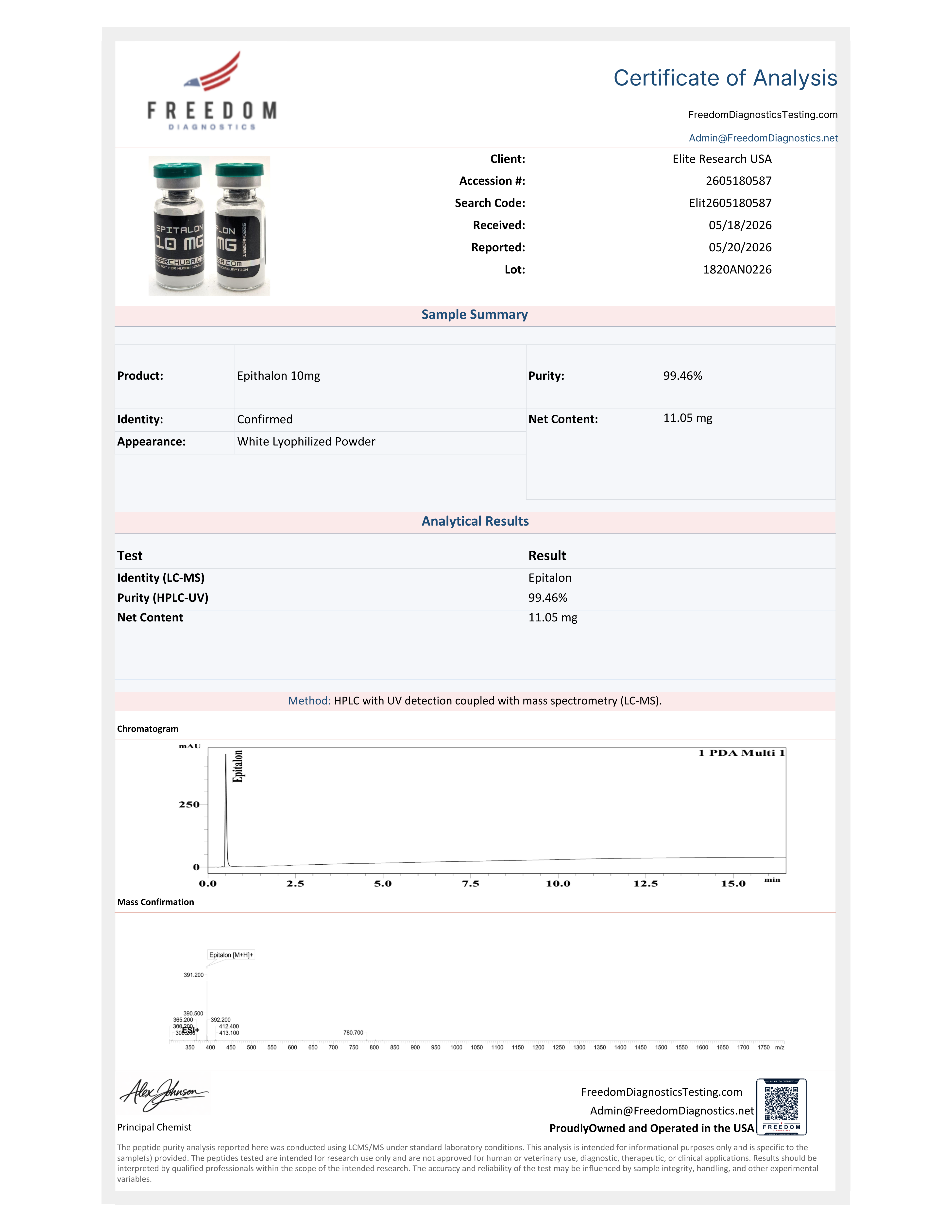
That level of transparency is particularly important for compounds intended for injection.
No peptide vendor can eliminate every possible risk, especially in an unregulated market. However, companies that openly publish detailed third-party testing generally inspire more confidence than vendors that provide little or no independent verification.
As discussed throughout this article, Epitalon remains an experimental compound. While the research surrounding telomerase activity, sleep regulation, immune function, and healthy aging is intriguing, much of the evidence remains preliminary, and many questions have yet to be answered by large-scale human studies.
If this breakdown of Epitalon was helpful, you can pick up Epitalon from Elite Research USA using my link or discount code ED10. You’ll receive 10% off your order, and I receive a small commission at no additional cost to you.

Written by
Ed Latimore
Ed Latimore is a best-selling author, professional heavyweight boxer, and physicist. He writes about self-improvement, sobriety, fighting, and the lessons he learned growing up in the projects of Pittsburgh.
Follow @EdLatimoreReferences
- López-Otín C, Blasco MA, Partridge L, Serrano M, Kroemer G. The Hallmarks of Aging. Cell. 2013;153(6):1194-1217. doi:10.1016/j.cell.2013.05.039
- Hanahan D. Hallmarks of Cancer: New Dimensions. Cancer Discovery. 2022;12(1):31-46. doi:10.1158/2159-8290.CD-21-1059
- Blackburn EH. Switching and Signaling at the Telomere. Cell. 2001;106(6):661-673. doi:10.1016/S0092-8674(01)00492-5
- Shay JW, Wright WE. Telomeres and Telomerase: Three Decades of Progress. Nature Reviews Genetics. 2019;20(5):299-309. doi:10.1038/s41576-019-0099-1
- Martín Giménez VM, de Las Heras N, Lahera V, Tresguerres JAF, Reiter RJ, Manucha W. Melatonin as an Anti-Aging Therapy for Age-Related Cardiovascular and Neurodegenerative Diseases. Front Aging Neurosci. 2022 Jun 3;14:888292. doi: 10.3389/fnagi.2022.888292. PMID: 35721030; PMCID: PMC9204094.
- Reiter RJ, Tan DX, Rosales-Corral S, Manchester LC. The universal nature, unequal distribution and antioxidant functions of melatonin and its derivatives. Mini Rev Med Chem. 2013 Mar;13(3):373-84. doi: 10.2174/1389557511313030006. PMID: 23190034.
- Khavinson VK, Popovich IG, Linkova NS, Mironova ES, Ilina AR. Peptide Regulation of Gene Expression: A Systematic Review. Molecules. 2021 Nov 22;26(22):7053. doi: 10.3390/molecules26227053. PMID: 34834147; PMCID: PMC8619776.
- Biogerontology. 2003;4(4):193-202. doi: 10.1023/a:1025114230714. PMID: 14501183.
- Anisimov VN, Khavinson VKh, Popovich IG, Zabezhinski MA, Alimova IN, Rosenfeld SV, Zavarzina NY, Semenchenko AV, Yashin AI. Effect of Epitalon on biomarkers of aging, life span and spontaneous tumor incidence in female Swiss-derived SHR mice. Biogerontology. 2003;4(4):193-202. doi: 10.1023/a:1025114230714. PMID: 14501183.
- Anisimov VN, Khavinson VKh. Peptide bioregulation of aging: results and prospects. Biogerontology. 2010 Apr;11(2):139-49. doi: 10.1007/s10522-009-9249-8. Epub 2009 Oct 15. PMID: 19830585.
- Khavinson VKh, Linkova NS, Kvetnoy IM, Kvetnaia TV, Polyakova VO, Korf HW. Molecular cellular mechanisms of peptide regulation of melatonin synthesis in pinealocyte culture. Bull Exp Biol Med. 2012 Jun;153(2):255-8. English, Russian. doi: 10.1007/s10517-012-1689-5. PMID: 22816096.
- Palmer DB. The effect of age on thymic function. Front Immunol. 2013 Oct 7;4:316. doi: 10.3389/fimmu.2013.00316. PMID: 24109481; PMCID: PMC3791471.
- Franceschi C, Garagnani P, Parini P, Giuliani C, Santoro A. Inflammaging: a new immune-metabolic viewpoint for age-related diseases. Nat Rev Endocrinol. 2018 Oct;14(10):576-590. doi: 10.1038/s41574-018-0059-4. PMID: 30046148.
- Fülöp T, Larbi A, Pawelec G. Human T cell aging and the impact of persistent viral infections. Front Immunol. 2013 Sep 13;4:271. doi: 10.3389/fimmu.2013.00271. PMID: 24062739; PMCID: PMC3772506.
- Anisimov VN, Khavinson VKh. Peptide bioregulation of aging: results and prospects. Biogerontology. 2010 Apr;11(2):139-49. doi: 10.1007/s10522-009-9249-8. Epub 2009 Oct 15. PMID: 19830585.
- Khavinson VKh, Bondarev IE, Butyugov AA. Epithalon peptide induces telomerase activity and telomere elongation in human somatic cells. Bull Exp Biol Med. 2003 Jun;135(6):590-2. doi: 10.1023/a:1025493705728. PMID: 12937682.
- Khavinson VKh, Malinin VV. Mechanisms underlying geroprotective effects of peptides. Bull Exp Biol Med. 2002 Jan;133(1):1-5. doi: 10.1023/a:1015178204087. PMID: 12170291.
- Miller RA, Harrison DE, Astle CM, Baur JA, Boyd AR, de Cabo R, Fernandez E, Flurkey K, Javors MA, Nelson JF, Orihuela CJ, Pletcher S, Sharp ZD, Sinclair D, Starnes JW, Wilkinson JE, Nadon NL, Strong R. Rapamycin, but not resveratrol or simvastatin, extends life span of genetically heterogeneous mice. J Gerontol A Biol Sci Med Sci. 2011 Feb;66(2):191-201. doi: 10.1093/gerona/glq178. Epub 2010 Oct 25. PMID: 20974732; PMCID: PMC3021372.
- Alzheimer’s Drug Discovery Foundation. Epithalamin/Epithalon: Cognitive Vitality for Researchers. 2018. https://www.alzdiscovery.org/uploads/cognitive_vitality_media/Epithalamin-and-Epithalon-Cognitive-Vitality-For-Researchers.pdf