I Tried Prism Potion Mushroom Coffee for 30 Days: My Honest Review

I Tried Prism Potion Mushroom Coffee for 30 Days: My Honest Review
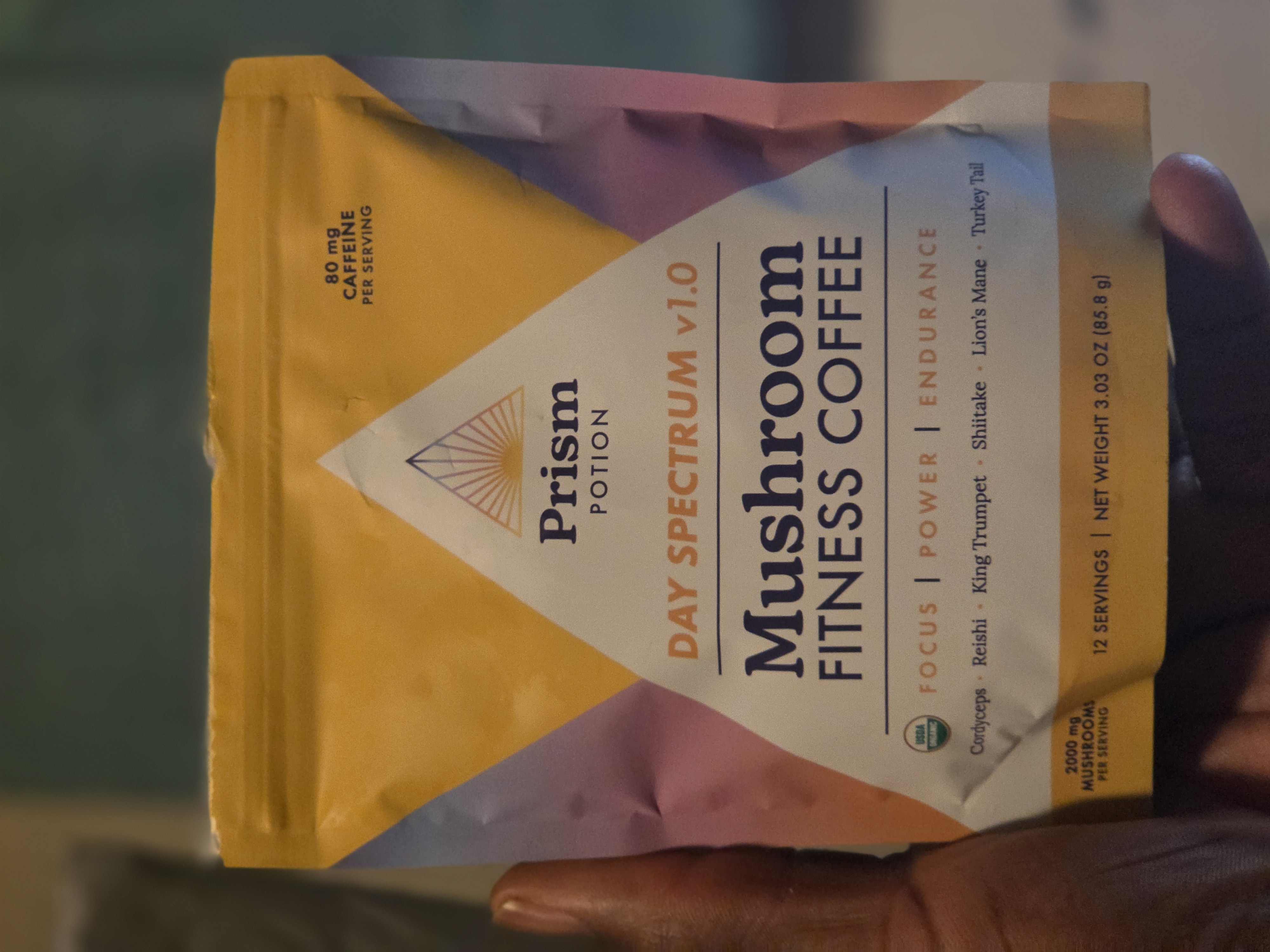 If you follow me on social media, then you know that I love black coffee.
I don’t add sugar, cream, or any of those crazy syrups that you get at your typical Starbucks. So while I wasn’t bringing in tons of extra calories, I still consume a lot more caffeine than the average person.
When I was in school, I used to drink a full French Press of coffee daily. I’d even drink coffee well after sunset because I was exhausted from training during the day and studying at night.
Once my son was born, I leaned even harder on coffee because I figured it was helping me stay awake during the day after being up with a crying infant all night.
The problem with this level of consumption is that caffeine disrupts sleep due to its long half-life.
But I don’t drink alcohol or soda, and I love the ritual of having a hot drink while I work. And seeing as how I do a lot of work late in the evening after my son goes to sleep, I’ve found myself in a bit of a bind.
I love coffee, but my nervous system was not doing too well. One afternoon slump would lead to another visit to Panera Bread to take advantage of my slip club, which would inevitably leave me staring at the ceiling at 2:00 a.m. with a racing heart.
I needed an exit strategy that did not require abandoning the taste and ritual altogether. For a cold drink, I found that Yapper and Outty worked great, but I didn’t have an option for hot drink.
That’s what led me into the world of mushroom coffee.
I’d never heard of mushroom coffee before. Despite being adjacent to the health space, I’m primarily a boxer and a boxing coach who takes responsibility for his health, but I’m not a biohacker—and mushroom coffee is all the rage in these circles.
With my large following on social media, I found someone who sells a mushroom coffee brand and decided to try it. I figured that if I’m going to try something new, I may as well support someone who has at least supported me via following and sharing my content.
For the past few weeks, I’ve used Prism Potion’s Mushroom Coffee to find out whether it was a legitimate productivity tool or overpriced dirt water wrapped in sleek direct-to-consumer marketing.
This is my honest review: how it tastes, what is in it, how it affected my focus and sleep, how it compares with other options, and—based on my research—how it stacks up against the best mushroom coffee products on the market.
What Is Mushroom Coffee?
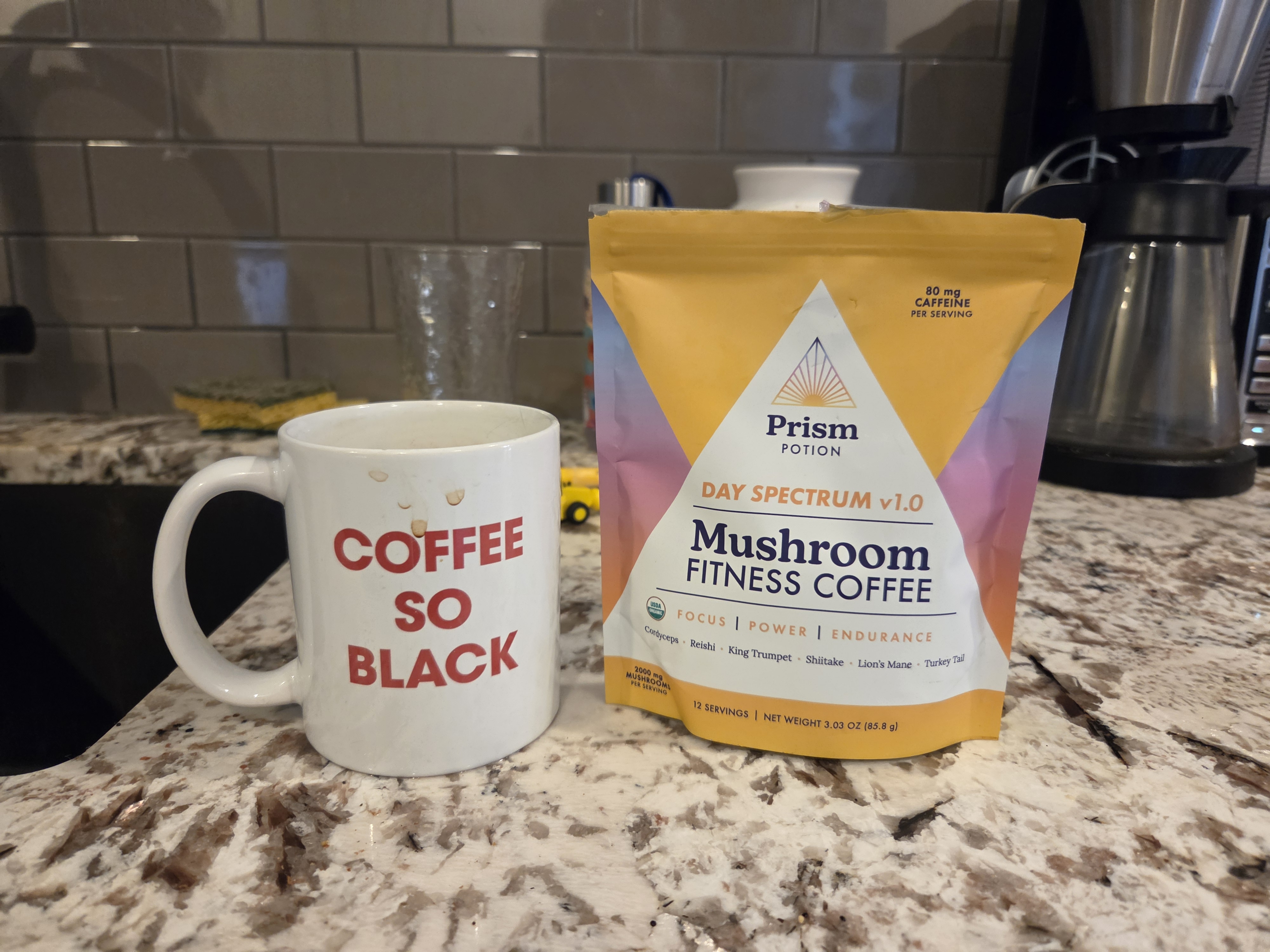 Despite the name, making mushroom coffee does not mean tossing portobellos into a blender with your morning brew.
Most mushroom coffee products combine coffee or coffee extract with powdered mushrooms, concentrated mushroom extracts, or both. The resulting drink usually contains less caffeine than an ordinary coffee while preserving at least part of the familiar coffee experience with additional benefits from the mushrooms.
Mushroom coffee products include everything from coffee-forward blends to cacao- and chai-based drinks.
Some products are made as instant mushroom coffee, while others are sold as ground mushroom coffee for traditional brewing.
The fungi used are typically referred to as functional or medicinal mushrooms. Those labels refer to their traditional use and bioactive compounds and are not meant to be interpreted as medicine or as guaranteed to treat a health condition.
The most common mushrooms used are lion’s mane, reishi, chaga, turkey tail, shiitake, and king trumpet. Some blends also include adaptogens such as rhodiola, as well as ingredients like MCT oil, collagen, or L-theanine.
Prism Potion is a unique competitor in this space because they have taken a different angle on their mushroom coffee, making it stand out in a market where everyone is selling the same thing to the same audience.
How Prism Potion Is Different From Other Mushroom Coffees
Most mushroom coffee brands try to occupy the same corner of the wellness market.
Their branding emphasizes calming morning rituals, earthy aesthetics, mindfulness, and replacing coffee with something gentler.
Prism Potion takes the opposite approach.
It is positioned as a performance drink for people who want to work, train, and push themselves. You use Prism Potion if you want to take things to the next level—not dial things back.
Instead of promising that drinking one cup will transform your health and help you relax, Prism Potion is for people who are already pushing themselves to be better and want something to help them win the fight—not to sit on the sidelines and recover.
It’s crazy to me that no other brand is taking this angle because the benefits people want from functional mushrooms—better endurance, sustained energy, improved focus, and greater resistance to fatigue—are most valuable when you are actually doing something demanding.
While competing brands lean heavily into lattes, pastel colors, and relaxing café imagery, Prism Potion features people training, sweating, and working.
It feels closer to a pre-workout that happens to taste like coffee than a wellness drink that happens to contain mushrooms.
But more important than presentation and position is substance and functionality.
Prism Potion combines a meaningful dose of caffeine with performance-oriented ingredients, including PeakO2, MCT powder, ashwagandha, and rhodiola.
The result is a mushroom coffee that helps you get things done, not something that you use to relax.
What Is in Prism Potion’s Mushroom Coffee?
First off, Prism Potion is built with physical performance in mind. This isn’t your typical “wellness coffee”. It starts with an organic Arabica coffee base rather than eliminating coffee entirely.
While some alternatives taste more like spiced tea or cocoa, Prism Potion still scratches the itch of drinking coffee.
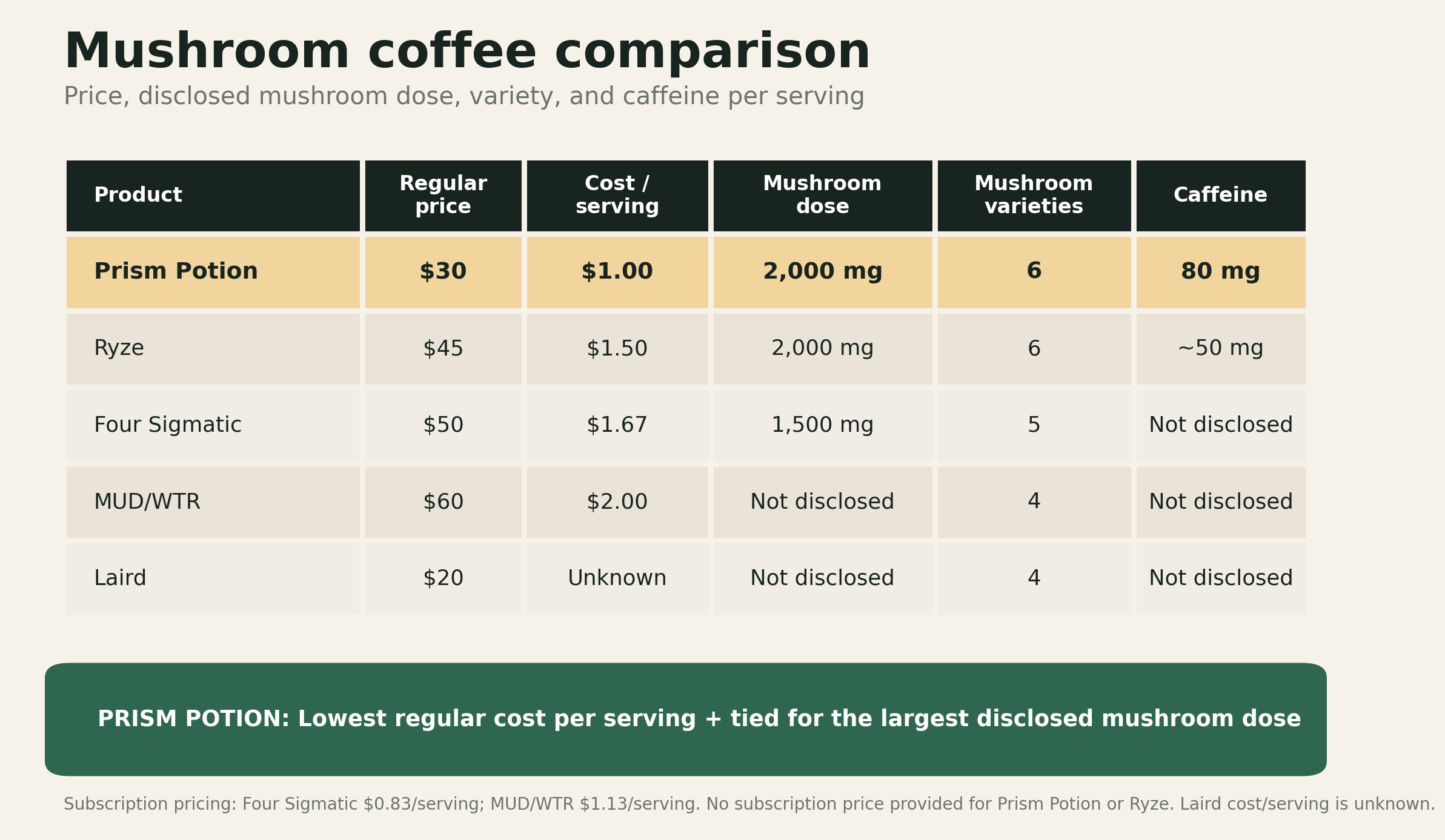
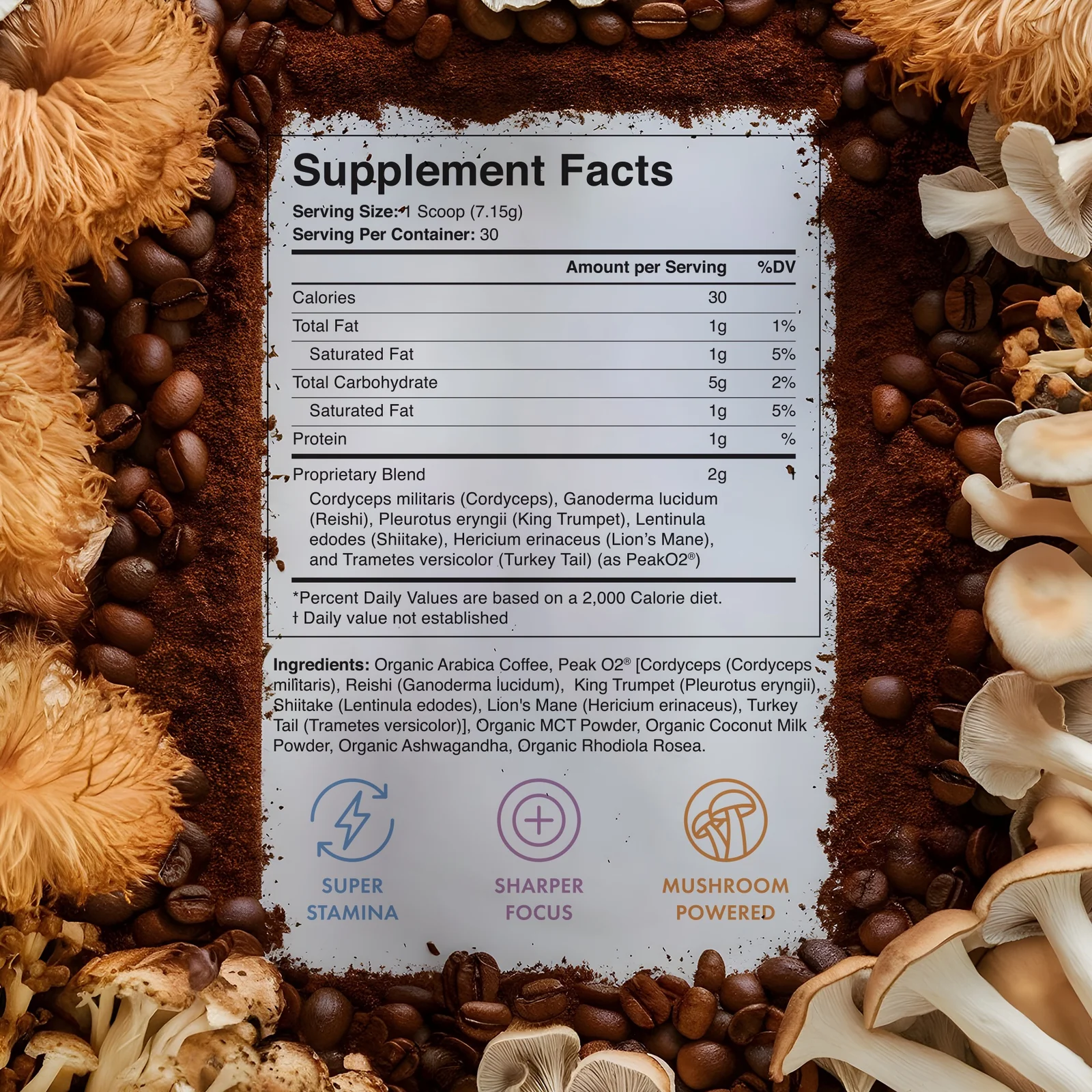 The label lists the following per 7.15-gram scoop:
- 80 mg of caffeine
- 2 grams of PeakO2, a proprietary blend containing cordyceps, reishi, king trumpet, shiitake, lion’s mane, and turkey tail
- Organic MCT powder
- Organic coconut milk powder
- Organic ashwagandha
- Organic rhodiola rosea
- 30 calories
- 1 gram of total fat
- 1 gram of saturated fat
- 5 grams of carbohydrates
- 1 gram of protein
Prism Potion does not list separate doses for its mushroom blend because it’s proprietary, although I know from talking with the team at Prism Potion that it’s mostly cordyceps. All we know is that each serving contains 2 grams of the mushroom blend.
The proprietary blend of mushrooms is sourced from Compound Solutions, and the research on its benefits is fascinating.
The Six Mushrooms in Prism Potion’s PeakO2 Blend
This is the differentiator from other brands: Prism Potion contains two grams of PeakO2, an organic blend of six mushrooms grown in the United States and supplied by Compound Solutions. It’s the workhorse in the coffee blend.
PeakO2 is marketed primarily as a performance ingredient. Human studies have examined its effects on maximal oxygen consumption, peak power, blood lactate, and time to exhaustion.[2, 16]
In a randomized, double-blind trial conducted at the University of North Carolina at Chapel Hill, 28 recreationally active adults received either four grams of PeakO2 per day or a placebo. After seven days, the researchers found no statistically significant advantage for PeakO2 in VO₂ max, time to exhaustion, ventilatory threshold, or peak power.[2]
Ten participants continued supplementation for another two weeks. After 21 days, VO₂ max increased by 4.8 ml/kg/min in the PeakO2 group, compared with 0.9 ml/kg/min in the placebo group. This was a statistically significant treatment-by-time difference, although the three-week analysis included only six people taking PeakO2 and four receiving the placebo.[2]
The PeakO2 group also increased its time to exhaustion by approximately 70 seconds, compared with about five seconds in the placebo group. However, the difference between the groups was not statistically significant. Relative peak power also increased within the PeakO2 group, but that outcome did not show a statistically significant advantage over placebo.[2]
A separate trial involving 40 young adults tested one to two grams of PeakO2 per day for 28 days. The PeakO2 group experienced statistically significant improvements from baseline in peak oxygen consumption and time to fatigue, along with lower blood lactate during a submaximal exercise phase.[16]
These are promising findings—not just for exercise performance, but because cardiorespiratory fitness is strongly associated with long-term health. A meta-analysis published in JAMA found that higher cardiorespiratory fitness was associated with lower risks of all-cause mortality and cardiovascular events.[17]
The PeakO2 mushroom blend contains:
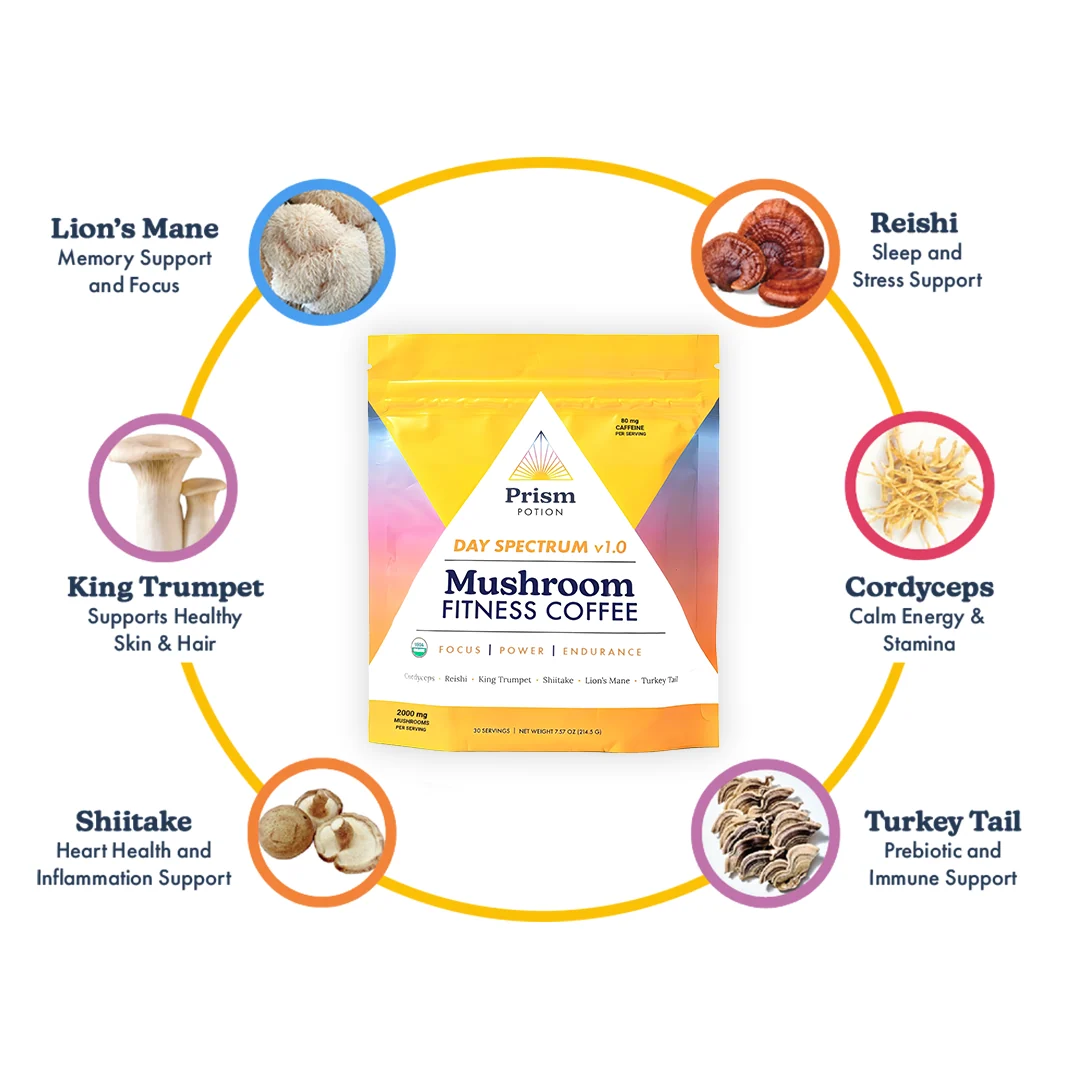
Cordyceps
Cordyceps is the mushroom most closely connected to PeakO2’s performance claims. In one double-blind study, older adults taking one gram of cultured Cordyceps sinensis daily for 12 weeks improved their exercise metabolic threshold, although their VO₂ max did not increase significantly.[1]
Another trial found that a Cordyceps militaris-based mushroom blend improved VO₂ max after three weeks, with a within-group improvement in time to exhaustion. However, the supplement also contained five other mushrooms, so the results cannot be attributed to Cordyceps alone.[2]
Reishi
Reishi is traditionally described as an adaptogen, but its strongest human evidence concerns immune function rather than general stress resistance.
In a randomized controlled trial, healthy adults taking purified beta-glucan derived from reishi for 84 days showed changes in several immune markers, including natural killer cell activity.[3]
King trumpet
Also known as king oyster mushroom, king trumpet contains beta-glucans and ergothioneine, a dietary antioxidant.[4]
In a three-month randomized controlled trial, metabolically unhealthy adults who consumed a daily king trumpet mushroom snack experienced changes in markers related to inflammation and oxidative stress.[4]
Shiitake
Shiitake contains beta-glucans and other bioactive compounds associated with immune health. In one study, 52 healthy adults ate either five or 10 grams of dried shiitake mushrooms daily for four weeks.[5]
Researchers observed increased activity and proliferation of certain immune cells, increased secretory IgA, and reductions in some inflammatory markers.[5]
Lion’s mane
Lion’s mane has the most direct cognitive research of the six mushrooms.
In a small double-blind, placebo-controlled trial, adults with mild cognitive impairment who consumed three grams daily for 16 weeks improved their cognitive scores, although those improvements declined after supplementation stopped.[6]
A separate study of 41 healthy younger adults found faster performance on one cognitive task after a single 1.8-gram dose, but most other outcomes did not significantly improve.[7]
Turkey tail
Turkey tail is rich in polysaccharides that have been studied for their effects on immune activity and the gut microbiome.
In a randomized clinical trial involving healthy volunteers, a standardized turkey-tail polysaccharopeptide altered the composition of participants’ gut bacteria.[8]
A separate laboratory study found that turkey-tail mycelium and its fermented substrate produced measurable but distinct immune-activating effects in vitro.[9]
The Combined Effect of The Peak 02 Mushrooms
Taken together, the six mushrooms give PeakO2 a broader research foundation than a list of trendy ingredients might suggest.
Cordyceps has the clearest connection to physical performance, lion’s mane has the most relevant cognitive evidence, and the remaining mushrooms contribute compounds studied primarily for immune function, inflammation, oxidative stress, and gut health.
Still, these individual studies do not establish that the relatively small, undisclosed amount of each mushroom in a serving of Prism Potion will yield the same benefits.
The Other Ingredients in Prism Potion
The PeakO2 mushroom blend gets most of the attention, but Prism Potion also contains organic arabica coffee, MCT powder, coconut milk powder, ashwagandha, and rhodiola rosea.
These ingredients are intended to provide immediate stimulation from caffeine, sustained energy from fat, and additional support for stress and fatigue.
Organic arabica coffee
This provides the familiar taste and immediate mental stimulation people expect from coffee. Caffeine blocks adenosine receptors in the brain, temporarily reducing perceived tiredness and improving alertness, concentration, and reaction time.
The important difference between Prism Potion and standard coffee is the amount: Prism Potion provides less caffeine than my usual double shot, making it less likely to cause jitters, an afternoon crash, or lingering caffeine when I am trying to sleep.
Organic MCT powder
Medium-chain triglycerides are fats that the body absorbs and converts into usable energy more rapidly than most dietary fats.[14,15]
MCT powder may make the energy feel steadier and give the drink more staying power, although the label does not disclose enough MCT per serving to expect dramatic metabolic or ketone-producing effects.[14,15]
Organic coconut milk powder
Coconut milk powder improves the texture and gives Prism Potion a creamier, less watery mouthfeel. It also adds a small amount of fat, which complements the MCT powder and helps soften the bitterness of the coffee and mushrooms.
Organic ashwagandha
Ashwagandha is an adaptogenic herb studied for its potential to reduce perceived stress, support sleep, and improve the body’s response to physical strain.[11,12]
Some research has also found improvements in strength, recovery, and anxiety symptoms.[11–13] However, most studies use a standardized dose of ashwagandha extract, and Prism Potion does not disclose how much is included or its concentration.
Organic rhodiola rosea
Rhodiola is another adaptogen, but it is generally associated more with combating fatigue than promoting relaxation. It may help preserve concentration and mental performance during periods of stress, sleep deprivation, or demanding work.[10]
This makes it a logical partner for caffeine: coffee supplies immediate stimulation, while rhodiola may help make sustained effort feel more manageable.
The caffeine claims currently remain uncited because references 1–17 do not include a caffeine study.
How Prism Potion Combines Peak O2 With The Supplementary Ingredients
The overall formulation is synergistic, with the mushrooms and the other additives working together to produce an output greater than the sum of their parts.
Coffee supplies the immediate lift, MCT and coconut milk add body and a small amount of fat, PeakO2 targets physical and mental stamina, and the two adaptogens are intended to smooth the body’s response to stress.
The only issue is transparency.
The nutritional label identifies the ingredients but does not disclose the individual quantities of the MCT powder, coconut milk powder, ashwagandha, or rhodiola. This is the same issue with the Peak O2 mushroom blend: we know the total amount (2 grams) but not the individual amounts of each mushroom.
Why I Think Prism Potion Mushroom Coffee Is Better Than Standard Coffee
I’m a content creator and knowledge worker.
My daily output depends on my ability to sit in a chair, focus on difficult problems, and turn complex thoughts into simple sentences. Although I didn’t realize it at the time, constantly drinking a cup of coffee was impairing my productivity.
The pattern was predictable:
- 7:30 a.m.: Pick up a 16 oz coffee from Panera using my sip club for unlimited coffee. Barrel through work.
- 11:00 a.m.: Peak cognitive output begins turning into restless anxiety, a greater susceptibility to distraction, and a I start to crash.
- 2:00 p.m.: Hit the wall—brain fog, can’t sit still, and inability to focus. At this point, I’m pretty much useless..
- 10:00 p.m.: Feel tired but remain and lie down, but I can’t get to sleep until well after midnight. And it’s only made worse because I want to keep scrolling nonsense on my phone.
On the front end, I got a little bit of a burst, but by the middle of the day, I was a shell of my morning self. A big reason for this is the caffeine.
I’ve not become an anti-caffeine guy, but I recognize that I need to consume less to hopefully get more out of my day.
One serving of Prism Potion contains 80 mg of caffeine. That’s a little more caffeine than black tea, the tea with the highest caffeine concentration. For comparison, a typical 12-ounce cup of brewed coffee contains roughly 143 mg, while a 16-ounce cup contains around 190 mg.
Caffeine isn’t all bad. It comes with many documented cognitive and longevity benefits. However, like all things, too much is a bad thing—and it so happens that caffeine is incredibly easy to overconsume because it’s in coffee, popular energy drinks, and even tea.
Prism Potion gives me enough caffeine to feel alert and productive without loading my system with nearly as much stimulant to metabolize before bedtime.
It also works great as something to drink before my morning workouts.
With my schedule, early mornings are the only time that I ever have a chance to hit the gym.
Coffee has always been part of my pre-workout routine, just as something to drink as part of my morning ritual, but not as something I intentionally drank for benefits.
What I Think of Prism Potion
No product is perfect, and Prism Potion is no exception. That said, I think the positives far outweigh the negatives. I keep ordering more because I think it’s fantastic. Here’s why.
What Prism Potion tastes like
Prism Potion is the first and only mushroom coffee I’ve tried, so I don’t know how it compares to others in terms of taste. I can only speculate based on other reviews.
That said, the MCT powder does a lot of the heavy lifting in the flavor profile. If you’ve never put MCT oil in coffee, the taste is distinct but not overpowering. The best way I can describe it is like coconut with the sweetness removed.
I wouldn’t go so far as to call it an acquired taste, but if you’re expecting something that tastes exactly like regular coffee, you’re going to be disappointed.
Fortunately, I’ve always been a fan of adding MCT oil to my coffee for its potential cognitive and metabolic benefits, so I don’t mind the flavor at all.
Serving size of Prism Potion
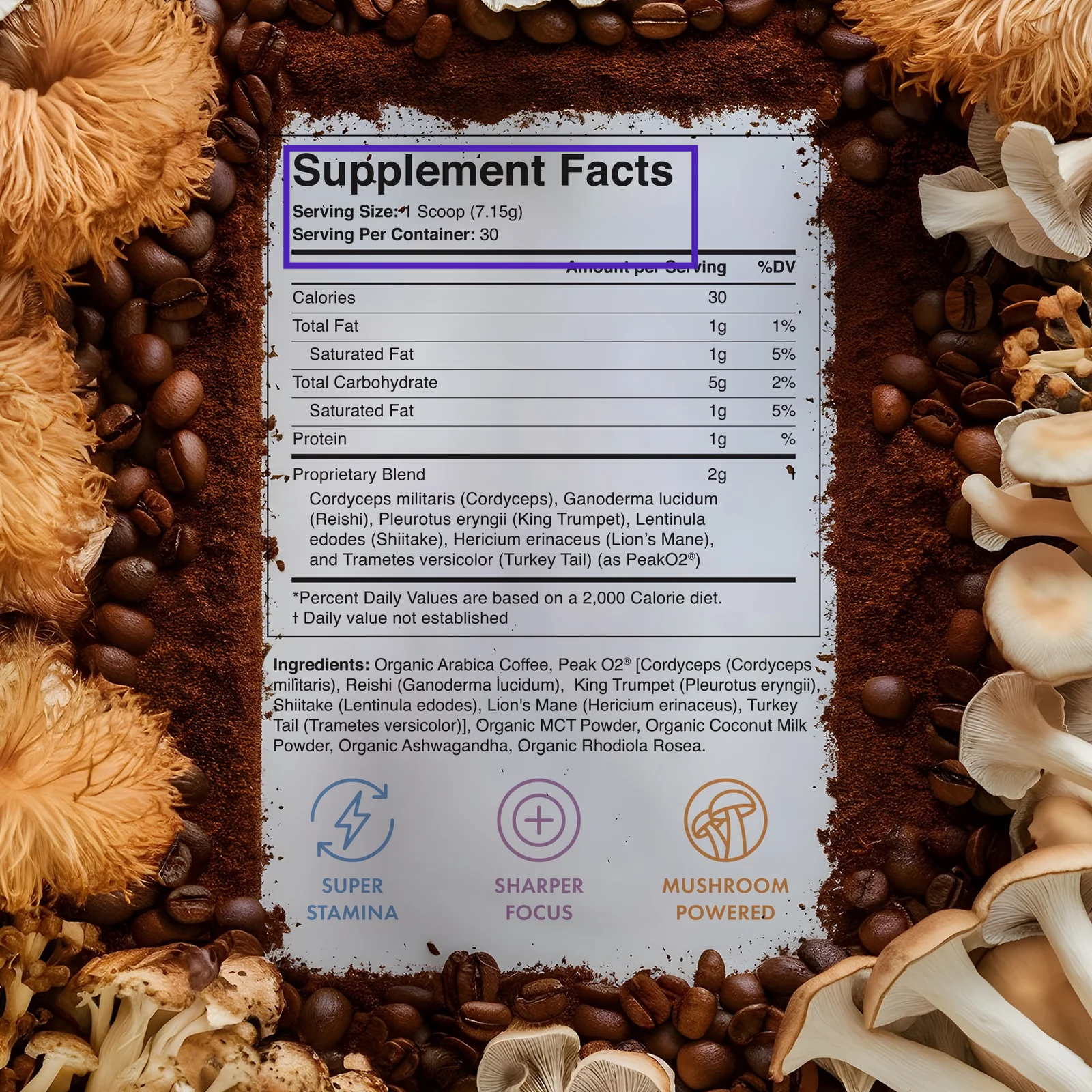 Officially, each bag contains 30 servings. A serving weighs 7.15 grams, or approximately 0.25 ounces. When measured by volume, that is roughly one tablespoon of powder.
The mixing instructions say to use 8 oz of water, which is two-thirds of a standard coffee mug. I like Prism’s consistency with these numbers, but I have to bump up the amount of powder I use to fill my mug without sacrificing flavor.
When it comes to powders designed to be mixed into drinks, manufacturers often determine the serving size based on nutrient delivery rather than what tastes best.
In Prism Potion’s case, however, I think they got the serving size right for both. I initially ignored the recommendation and experimented with different concentrations until I found one that wasn’t too diluted or too strong.
That turned out to be a heaping dinner spoon, or approximately one tablespoon.
How to prepare Prism Potion
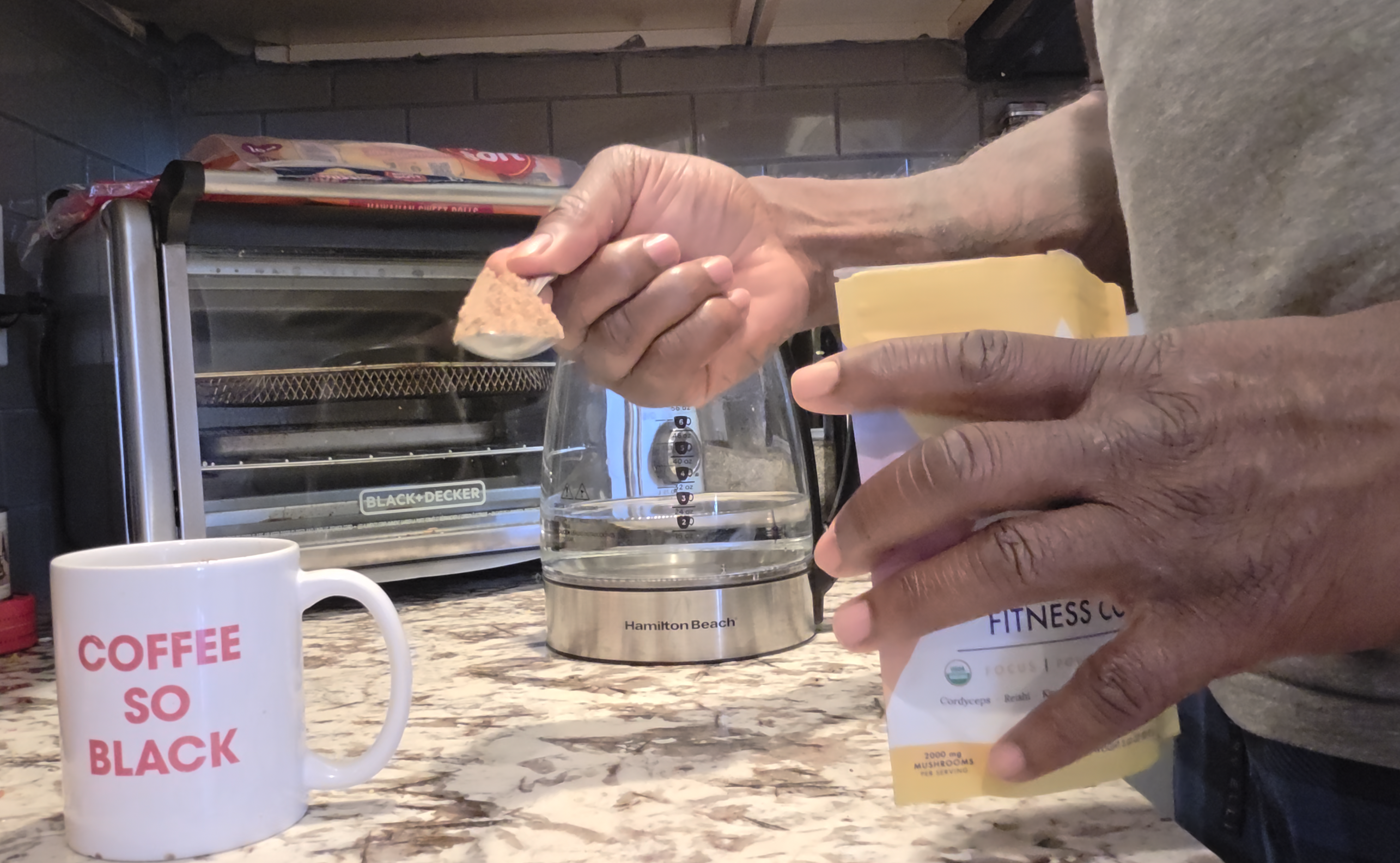 Making Prism Potion Mushroom Coffee is simple. Boil water as you would for tea, pour it into your mug, and mix in the powder. I’ve also put the powder in the mug first and poured the hot water over it.
The order doesn’t really matter as long as the water is hot. Either way, the powder dissolves well and tastes fine.
Also, it mixes well in a protein shake if you decide to use it that way. I’ll get more into the training’s uses in the next section, but for now, keep in mind that Prism Potion was designed with that use case in mind, both in terms of its form and function.
How much does Prism Potion cost?
Mushroom coffee isn’t the least expensive product in the world, but it’s not prohibitively expensive if you drink one cup per day. If you’re like me, you probably won’t stop at one, but let’s run the numbers based on a single daily serving.
A 30-serving bag costs $25, which comes out to about 83 cents per cup. The $30 starter kit includes the bag plus the preparation kit.
That’s more expensive than brewing regular coffee at home, but considerably cheaper than buying a cup of coffee every day. Remember, the coffee you make at home or pick up from Starbucks or Panera won’t contain the PeakO2 mushroom blend, organic MCT powder, organic coconut milk, ashwagandha, or rhodiola rosea.
I think the price is more than reasonable. A month’s supply of Prism Potion costs about the same as six or seven 16-ounce coffees from a café.
How is Prism Potion packaged?
The packaging is well-designed and aesthetically pleasing, with an airtight zip-lock seal that helps keep the powder fresh after opening.
That said, the packaging presents perhaps my only minor complaint: it would be nice if a scoop were included.
However, I understand that adding one would increase the cost without substantially improving the product, especially since everyone will have a different preference for how much powder to use.
How Prism Potion Compares to Other Mushroom Coffees
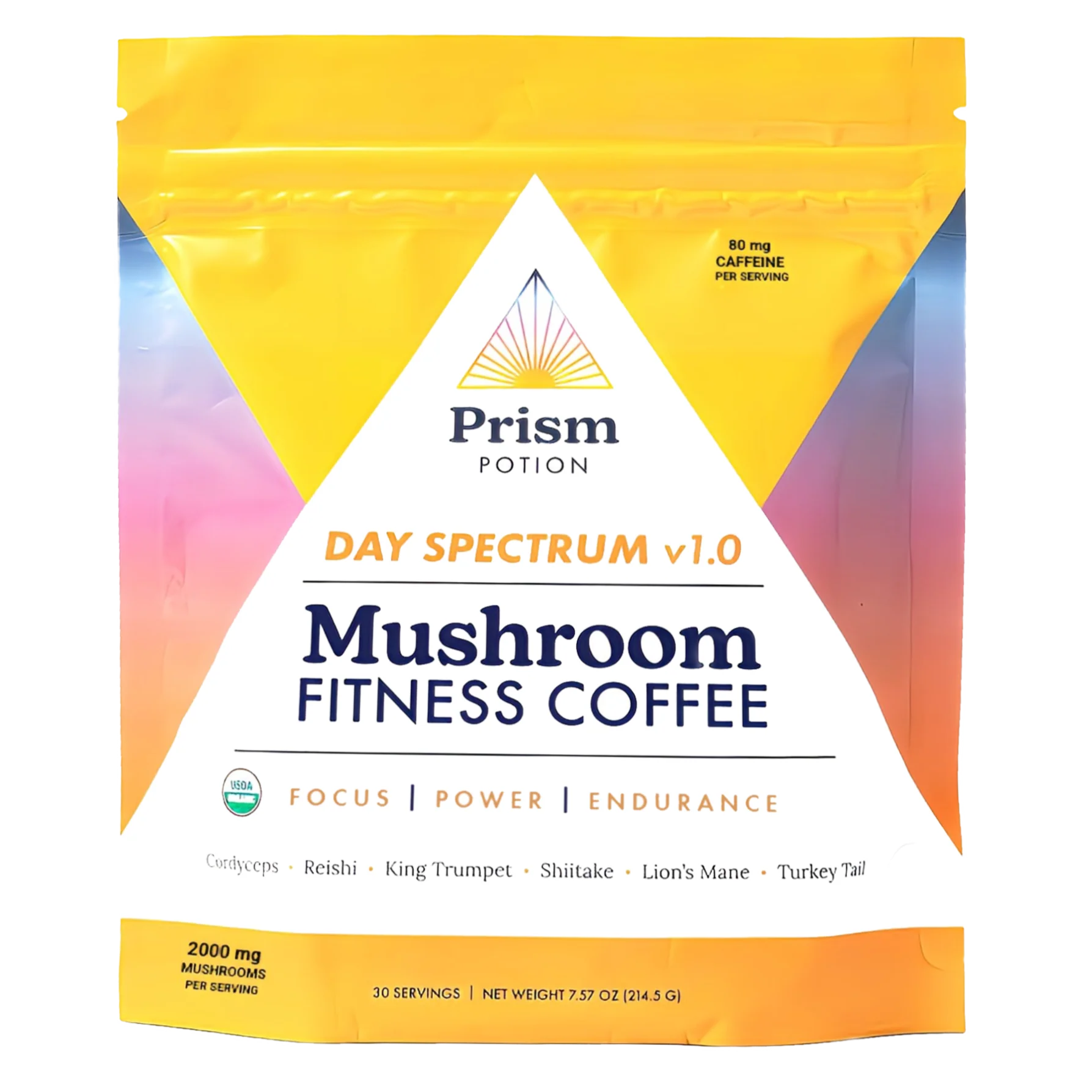
Among the mushroom coffees I compared, Prism Potion offers the best combination of price, disclosed mushroom dosage, ingredient variety, and caffeine.
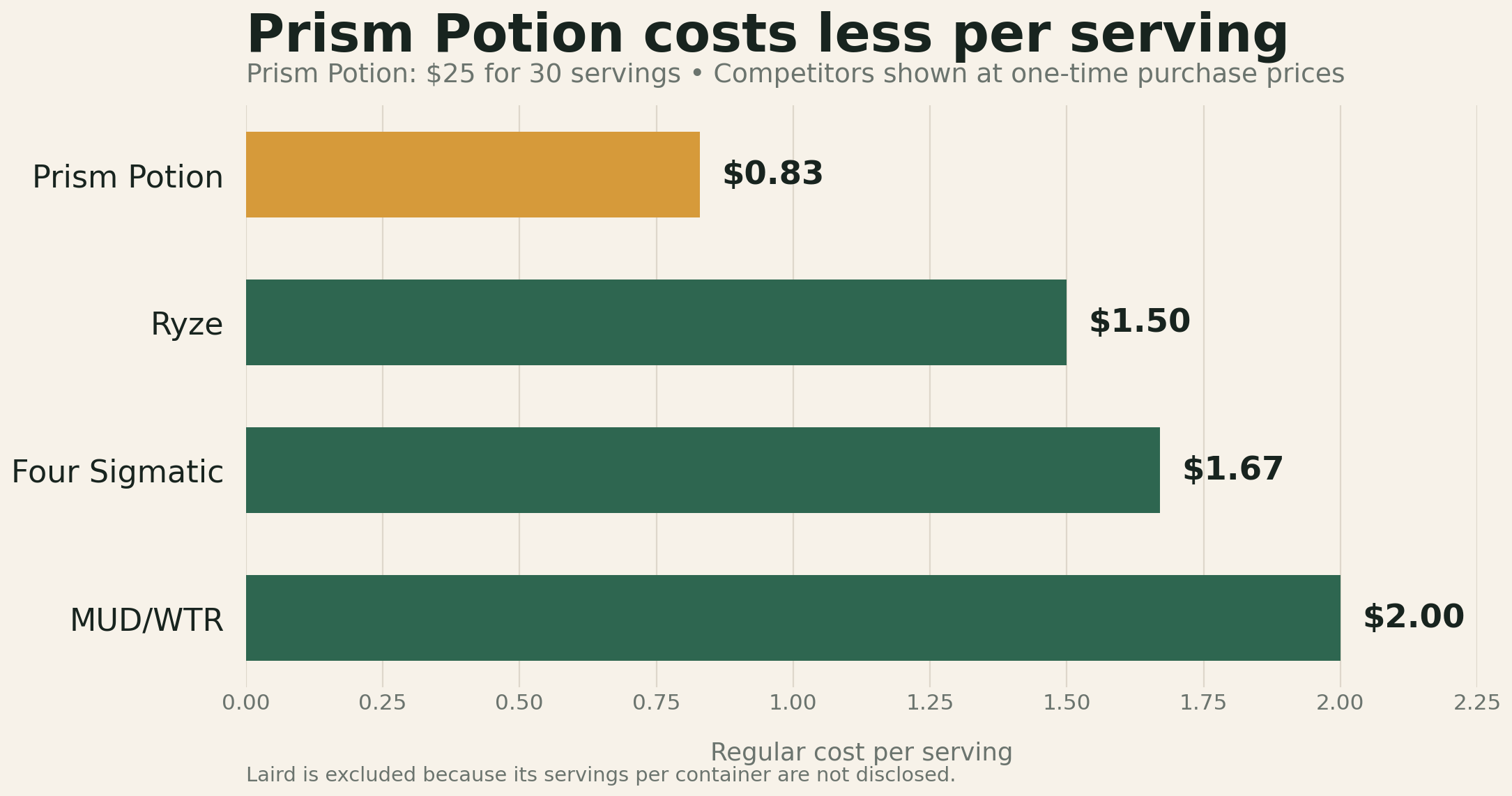
A package costs $25 and provides 30 servings, bringing the regular price to exactly $0.83 per cup. That makes Prism Potion:
- 33% less expensive per serving than Ryze
- 40% less expensive than Four Sigmatic
- 50% less expensive than MUD/WTR
Laird has a lower package price at $20, but the company does not provide enough serving information to calculate its cost per cup.
Prism Potion Gives You More Than a Low Price
A low price would mean less if Prism Potion skimped on the functional ingredients. It doesn’t.
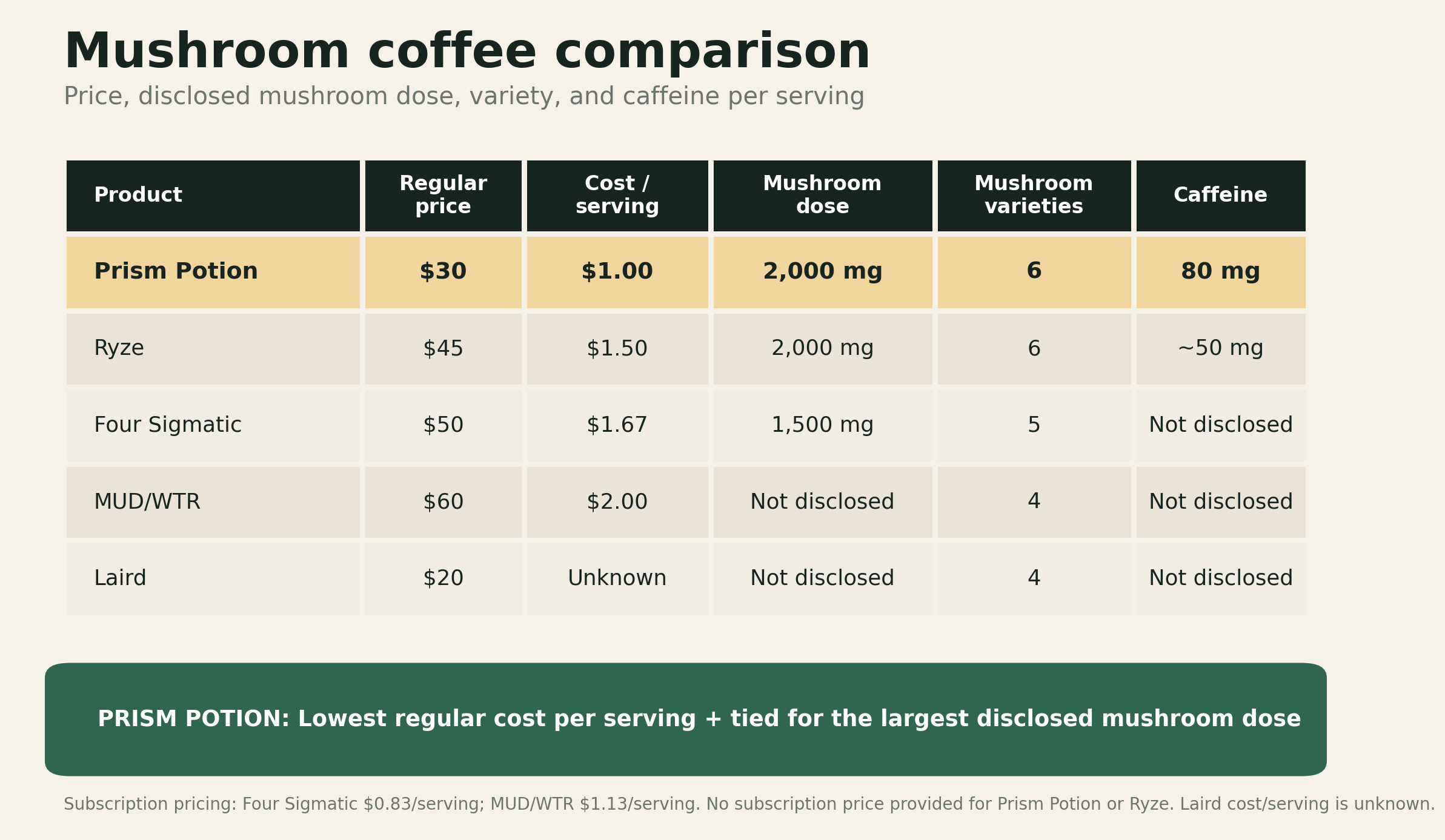
Each serving contains 2,000 mg of PeakO2, a proprietary blend of cordyceps, reishi, king trumpet, shiitake, lion’s mane, and turkey tail. That gives Prism Potion six mushroom varieties in a clearly disclosed dose—the same number of varieties advertised by RYZE.
The difference is everything else included for the price. A 30-serving bag of Prism Potion contains 214.5 grams of powder, or 7.15 grams per serving. In addition to PeakO2, that serving provides organic Arabica coffee, MCT powder, coconut milk powder, ashwagandha, and rhodiola. At $25 per bag, it costs approximately 83 cents per cup.
Net weight alone does not establish how much of a product is composed of mushrooms, since coffee, cacao, creamers, and other ingredients also contribute to its weight. However, it does reveal how much total product you receive. Prism Potion’s relatively large serving delivers a substantial dose of mushrooms alongside coffee and several additional functional ingredients.
A few competing products disclose comparable—or even slightly larger—mushroom doses, but they cost considerably more. MUD/WTR, for example, currently discloses 2,240 mg of four mushrooms per six-gram serving. Its 30-serving tin costs $50 as a one-time purchase or $40 with a subscription, equal to approximately $1.67 or $1.34 per serving. Unlike Prism Potion, however, MUD/WTR is a cacao-and-chai coffee alternative containing only 35 mg of caffeine.
Four Sigmatic’s current Original Mushroom Coffee contains five mushroom varieties in a 30-serving bag, while Laird’s Perform Mushroom Coffee contains four and provides approximately 500 mg of its mushroom blend per serving. Neither uses PeakO2.
That distinction is important. Prism Potion is not merely adding an anonymous mushroom mixture just to put the words “mushroom coffee” on the bag. It provides 2 grams of a branded blend studied specifically for exercise performance, then combines it with 80 mg of caffeine and other performance-oriented ingredients—all for less than a dollar per serving.
The result is not simply one of the least expensive products in this comparison. It is one of the strongest overall values when you consider the mushroom dose, total serving size, caffeine content, supporting ingredients, and research behind the specific blend.
It Also Functions Like Actual Coffee
Some mushroom coffees drastically reduce the caffeine, which can be useful if that is specifically what you want. But it also makes them a less convincing replacement for your morning coffee.
Prism Potion contains 80 mg of caffeine per serving, compared with approximately 50 mg in Ryze. That puts Prism Potion closer to the caffeine content of a typical cup of coffee while remaining below many stronger brewed coffees and espresso-based drinks.
The Formula Goes Beyond Mushrooms
Prism Potion is also USDA certified organic.The competing products each have useful additions. Ryze includes prebiotic fibers, Four Sigmatic adds yacon root, probiotics, and vitamin B12, and MUD/WTR includes L-theanine. Which formula is best will depend in part on which benefits you prioritize.
However, Prism Potion offers the most complete formula for someone seeking energy and performance.
It combines a substantial mushroom blend with two adaptogens, an energy-supporting fat source, and enough caffeine to replace coffee rather than merely imitate its flavor.
It Can Double as a Morning Pre-Workout
Prism Potion’s combination of caffeine, PeakO2, adaptogens, and MCT powder also makes it useful as a pre-workout for morning training.
The most immediate benefit comes from its caffeine. Each serving contains 80 mg, which may improve alertness, reduce perceived exertion, and make it easier to start training. The size of that effect depends partly on body weight, caffeine tolerance, and how much you consume.
Caffeine doses are generally expressed in milligrams per kilogram of body weight:
- 1–2 mg/kg: A low dose that may improve alertness, energy, and willingness to train.
- 3–6 mg/kg: The range most commonly used in studies showing improvements in exercise performance.
- More than 6 mg/kg: More likely to produce side effects without providing substantially greater benefits.
Here is how one or two servings of Prism Potion compare across different body weights:
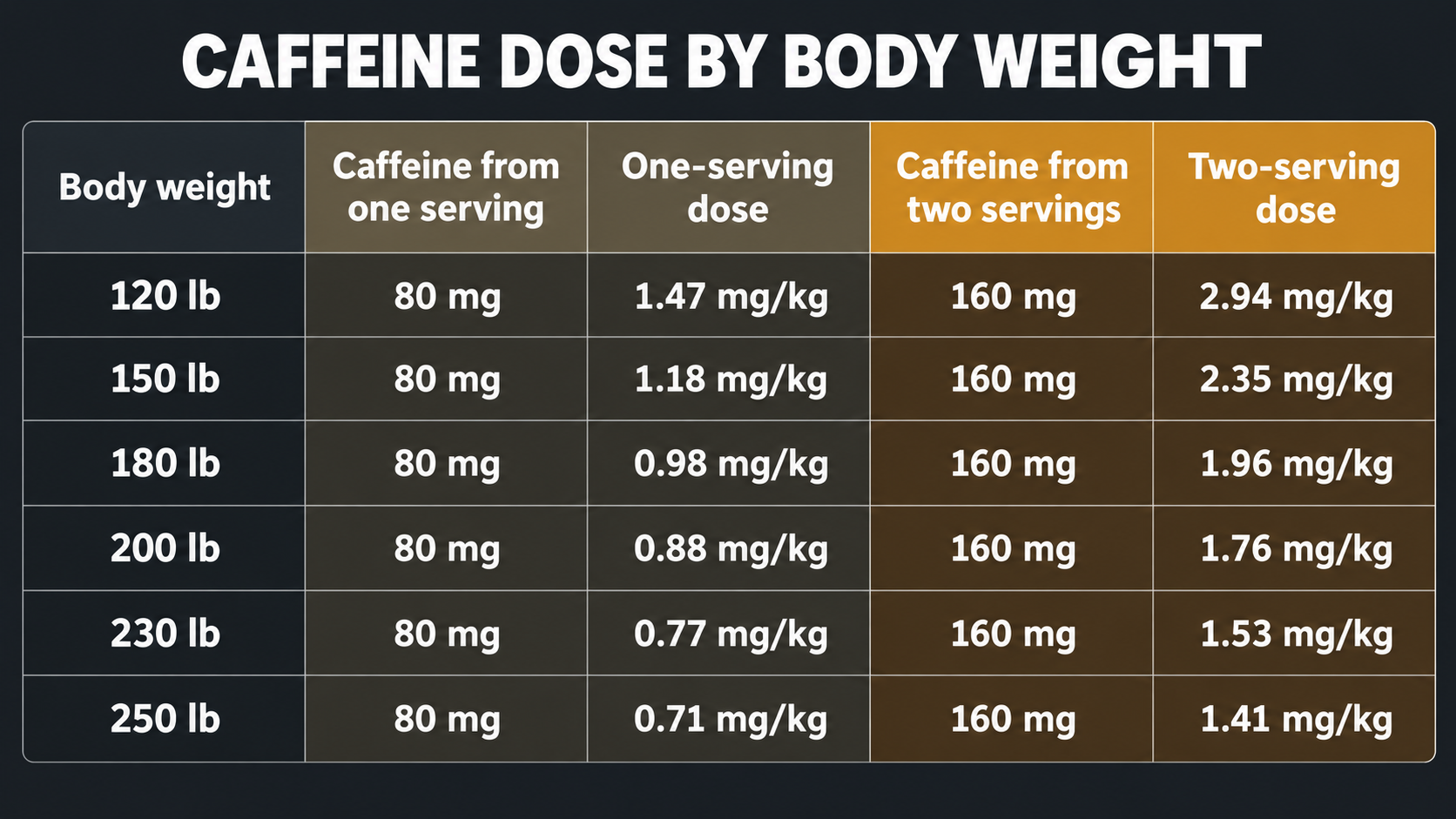 The interesting part is what happens to the PeakO2 dose at the same time.
One serving of Prism Potion contains two grams of PeakO2. Two servings provide four grams—the amount used in some of the research reporting PeakO2’s strongest results for peak power, time to exhaustion, and high-intensity exercise performance.
That gives two servings a logical purpose beyond simply drinking more coffee:
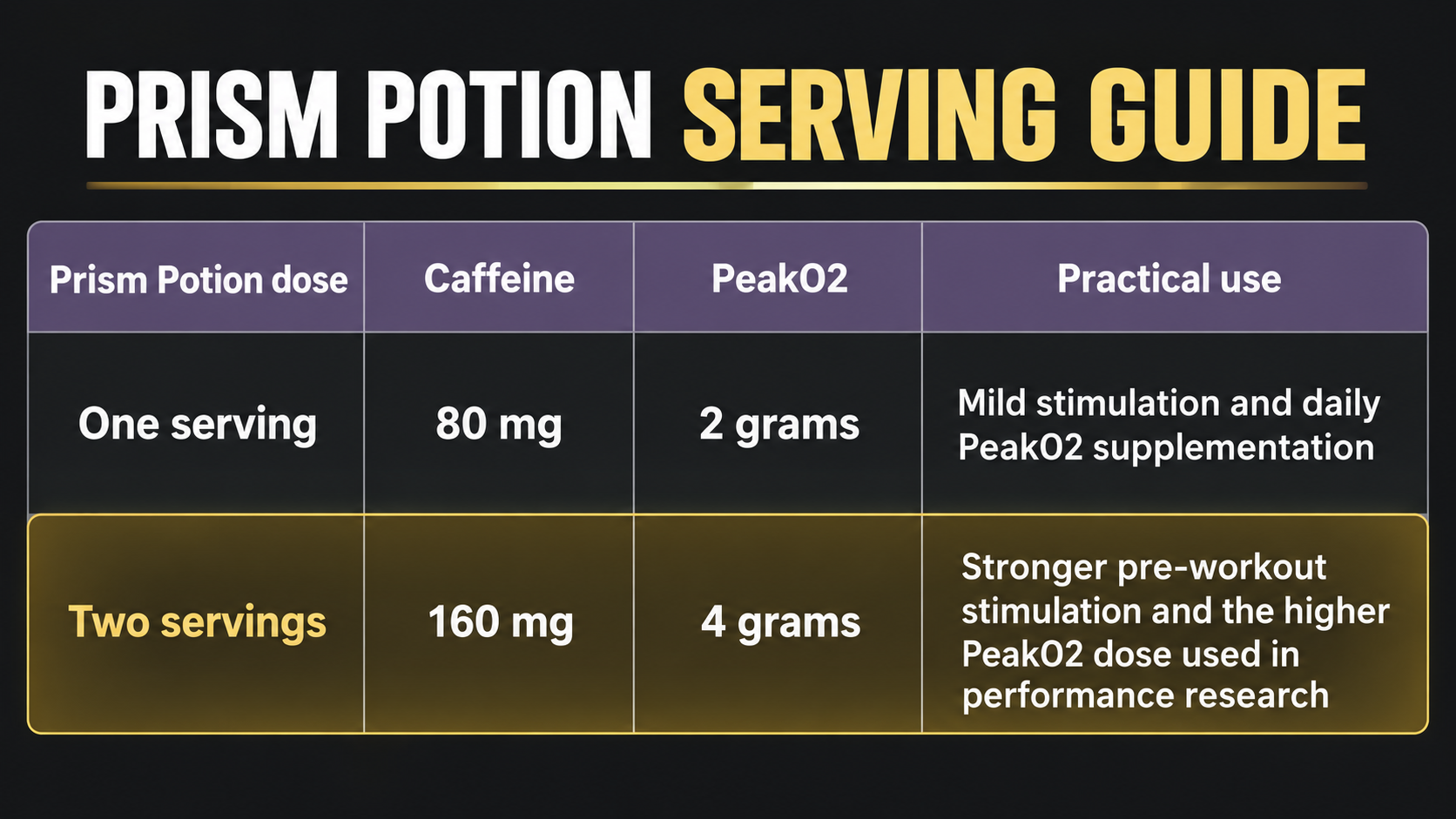 This makes Prism Potion unusually easy to adjust according to the demands of the day. I can use one serving before Zone 2 cardio, skill work, or a routine lifting session. Before a harder conditioning workout, two servings increase the caffeine to 160 mg while simultaneously raising PeakO2 to the four-gram research dose.
I would not keep adding servings merely to reach 3–6 mg/kg of caffeine. If someone wanted a higher caffeine dose, it makes more sense to add a separate source of caffeine than to consume three or four servings of the entire product.
For morning strength training, conditioning, Zone 2 cardio, or any session where waking up and getting started is half the battle, Prism Potion offers something most mushroom coffees do not: an adjustable combination of caffeine and PeakO2 that can serve as a legitimate light pre-workout.
What About Subscription Pricing?
Four Sigmatic is the exception to Prism Potion’s price advantage. Its unusually large subscription discount reduces the price from $50 to $25, or approximately $0.83 per serving. MUD/WTR’s subscription lowers its cost from $2 to approximately $1.13 per serving.
Therefore, Prism Potion is not the absolute cheapest under every possible purchasing arrangement. Four Sigmatic costs less when purchased through its subscription.
Prism Potion is, however, the least expensive product at the regular one-time price among those with a disclosed serving count.
It also provides more mushrooms per serving than Four Sigmatic, twice as many disclosed mushroom varieties as MUD/WTR, and additional ingredients that Four Sigmatic does not include.
The Bottom Line On The Best Mushroom Coffees Out There
Based on the information these brands disclose, Prism Potion delivers the best overall value.
It gives you the same 2,000 mg mushroom dosage and six mushroom varieties as Ryze for 33% less money. It costs half as much per serving as MUD/WTR at regular prices. It also contains 80 mg of caffeine, ashwagandha, rhodiola, MCT powder, and coconut-milk powder.
With that said, other products may be better for particular priorities.
Four Sigmatic has the lowest subscription price, Ryze provides prebiotic fiber (although mushrooms, in general, serve as a prebiotic fiber source), and MUD/WTR includes L-theanine.
But if you want the strongest balance of mushroom dosage, functional ingredients, caffeine, and regular price, Prism Potion is the best option of the five.
Who Should Try Prism Potion?
Prism Potion is best suited to:
- Athletes, fighters, gym rats, and endurance sport enthusiasts
- Writers, programmers, founders, students, and other people who need hours of calm concentration
- Anyone trying to reduce caffeine without abandoning the morning ritual
- People who experience jitters, reflux, or sleep disruption after stronger coffee
- Shoppers who prefer a focused formula over a kitchen-sink blend
You should probably skip it if:
- You are an espresso purist who cares deeply about the flavor of freshly roasted beans
- You need 200 mg or more of caffeine just to feel awake
- You are on a strict budget and already enjoy inexpensive home-brewed coffee
- You specifically want a broad formula built around chaga and several additional species
Final Verdict On Prism Potion Mushroom Coffee
Prism Potion did not turn me into a superhuman genius.
What it did was more useful: it gave me a steady morning lift without the jittery peak, afternoon collapse, or late-night penalty I had come to expect from my old routine.
I also really enjoyed the taste, but I can see how some people won’t like it. I haven’t tasted other mushroom coffees to be sure, but if you already drink black coffee—or you’ve had coffee with MCT oil before — this will be nothing new.
Ultimately though, I think the strongest reason to try Prism Potion mushroom coffee is not the promise of a dramatic cognitive upgrade. It is for enhanced physical performance, the preservation of the ritual, and useful stimulation from coffee, while lowering the costs you pay in anxiety, digestion, and sleep.
For my priorities—coffee-like taste, modest caffeine, a straightforward formula, and calmer concentration—Prism Potion is one of the better options I have tried.
Grab a bag of Prism Potion Mushroom Coffee Here
References
- Chen, S., Li, Z., Krochmal, R., Abrazado, M., Kim, W., & Cooper, C. B. (2010). Effect of Cs-4 (Cordyceps sinensis) on exercise performance in healthy older subjects: A double-blind, placebo-controlled trial. Journal of Alternative and Complementary Medicine, 16(5), 585–590.https://doi.org/10.1089/acm.2009.0226
- Hirsch, K. R., Smith-Ryan, A. E., Roelofs, E. J., Trexler, E. T., & Mock, M. G. (2017). Cordyceps militaris improves tolerance to high-intensity exercise after acute and chronic supplementation. Journal of Dietary Supplements, 14(1), 42–53.https://doi.org/10.1080/19390211.2016.1203386
- Chen, S. N., Nan, F. H., Liu, M. W., Yang, M. F., Chang, Y. C., & Chen, S. (2023). Evaluation of immune modulation by β-1,3; 1,6 D-glucan derived from Ganoderma lucidum in healthy adult volunteers: A randomized controlled trial. Foods, 12(3), 659.https://doi.org/10.3390/foods12030659
- Kleftaki, S. A., Amerikanou, C., Gioxari, A., Lantzouraki, D. Z., Sotiroudis, G., Tsiantas, K., Tsiaka, T., Tagkouli, D., Tzavara, C., Lachouvaris, L., Zervakis, G. I., Kalogeropoulos, N., Zoumpoulakis, P., & Kaliora, A. C. (2022). A randomized controlled trial on Pleurotus eryngii mushrooms with antioxidant compounds and vitamin D₂ in managing metabolic disorders. Antioxidants, 11(11), 2113.https://doi.org/10.3390/antiox11112113
- Dai, X., Stanilka, J. M., Rowe, C. A., Esteves, E. A., Nieves, C., Jr., Spaiser, S. J., Christman, M. C., Langkamp-Henken, B., & Percival, S. S. (2015). Consuming Lentinula edodes (shiitake) mushrooms daily improves human immunity: A randomized dietary intervention in healthy young adults. Journal of the American College of Nutrition, 34(6), 478–487.https://doi.org/10.1080/07315724.2014.950391
- Mori, K., Inatomi, S., Ouchi, K., Azumi, Y., & Tuchida, T. (2009). Improving effects of the mushroom Yamabushitake (Hericium erinaceus) on mild cognitive impairment: A double-blind, placebo-controlled clinical trial. Phytotherapy Research, 23(3), 367–372.https://doi.org/10.1002/ptr.2634
- Docherty, S., Doughty, F. L., & Smith, E. F. (2023). The acute and chronic effects of lion’s mane mushroom supplementation on cognitive function, stress, and mood in young adults: A double-blind, parallel-groups pilot study. Nutrients, 15(22), 4842.https://doi.org/10.3390/nu15224842
- Pallav, K., Dowd, S. E., Villafuerte, J., Yang, X., Kabbani, T., Hansen, J., Dennis, M., Leffler, D. A., Newburg, D. S., & Kelly, C. P. (2014). Effects of polysaccharopeptide from Trametes versicolor and amoxicillin on the gut microbiome of healthy volunteers: A randomized clinical trial. Gut Microbes, 5(4), 458–467.https://doi.org/10.4161/gmic.29558
- Benson, K. F., Stamets, P., Davis, R., Nally, R., Taylor, A., Slater, S., & Jensen, G. S. (2019). The mycelium of the Trametes versicolor (Turkey tail) mushroom and its fermented substrate each show potent and complementary immune-activating properties in vitro. BMC Complementary and Alternative Medicine, 19(1), 342.https://doi.org/10.1186/s12906-019-2681-7
- Darbinyan, V., Kteyan, A., Panossian, A., Gabrielian, E., Wikman, G., & Wagner, H. (2000). Rhodiola rosea in stress-induced fatigue: A double-blind crossover study of a standardized extract SHR-5 with a repeated low-dose regimen on the mental performance of healthy physicians during night duty. Phytomedicine, 7(5), 365–371. https://doi.org/10.1016/S0944-7113(00)80055-0
- Arumugam, V., Vijayakumar, V., Balakrishnan, A., Bhandari, R. B., Boopalan, D., Ponnurangam, R., Thirupathy, V. S., & Kuppusamy, M. (2024). Effects of ashwagandha (Withania somnifera) on stress and anxiety: A systematic review and meta-analysis. Explore, 20(6), 103062. https://doi.org/10.1016/j.explore.2024.103062
- Cheah, K. L., Norhayati, M. N., Yaacob, L. H., & Abdul Rahman, R. (2021). Effect of ashwagandha (Withania somnifera) extract on sleep: A systematic review and meta-analysis. PLOS ONE, 16(9), e0257843.https://doi.org/10.1371/journal.pone.0257843
- Wankhede, S., Langade, D., Joshi, K., Sinha, S. R., & Bhattacharyya, S. (2015). Examining the effect of Withania somnifera supplementation on muscle strength and recovery: A randomized controlled trial. Journal of the International Society of Sports Nutrition, 12, 43. https://doi.org/10.1186/s12970-015-0104-9
- Lin, T. Y., Liu, H. W., & Hung, T. M. (2021). The ketogenic effect of medium-chain triacylglycerides. Frontiers in Nutrition, 8, 747284.https://doi.org/10.3389/fnut.2021.747284
- St-Pierre, V., Vandenberghe, C., Lowry, C. M., Fortier, M., Castellano, C. A., Wagner, R., & Cunnane, S. C. (2019). Plasma ketone and medium-chain fatty acid response in humans consuming different medium-chain triglycerides during a metabolic study day. Frontiers in Nutrition, 6, 46. https://doi.org/10.3389/fnut.2019.00046
- Dudgeon, W. D., Thomas, D. D., Dauch, W., Scheett, T. P., & Webster, M. J. (2018). The effects of high- and low-dose Cordyceps militaris-containing mushroom blend supplementation after seven and twenty-eight days. American Journal of Sports Science, 6(1), 1–7. https://doi.org/10.11648/j.ajss.20180601.11
- Kodama, S., Saito, K., Tanaka, S., Maki, M., Yachi, Y., Asumi, M., Sugawara, A., Totsuka, K., Shimano, H., Ohashi, Y., Yamada, N., & Sone, H. (2009). Cardiorespiratory fitness as a quantitative predictor of all-cause mortality and cardiovascular events in healthy men and women: A meta-analysis. JAMA, 301(19), 2024–2035.https://doi.org/10.1001/jama.2009.681