Mind Lab Pro Review: Does It Work or Is It Overpriced?

Is Mind Lab Pro Worth It?
Mind Lab Pro is a legitimate, research-backed nootropic designed for long-term cognitive performance—not short-term stimulation. It works best for people who want sustained focus, improved memory, and better mental endurance, but it requires consistent use for 2–4 weeks to see full results. At $62–$69/month, it’s a premium option best suited for serious users, not casual buyers.
As a boxer and content creator, I’m always on the lookout for anything that will give me a cognitive advantage and allow me to get more of my mental capacities. Nootropics—supplements (and sometimes drugs) that are purported to enhance focus, reaction speed, and creativity—are naturally something I look into.
There are a variety of effective options out there, many of which I’ve tried and reviewed. And, unlike most reviewers, any nootropic or supplement I take also has to be permitted for use by the World Anti-Doping Agency (WADA).
Most people looking into nootropics don’t have to consider WADA, but if that’s you, don’t worry. I wanted to start this review with that disclosure because, while most people reading this won’t have to consider it, for those who do, the impact is significant enough to warrant bringing it up.
Mind Lab Pro is a comprehensive nootropic formula that claims to enhance focus, memory, creativity, and numeracy. Given my boxing and writing careers, along with my current goal of learning European Portuguese to a B1 level and raising my chess rating to 2000, I am in a position to meaningfully evaluate whether this formula delivers on its claims.
Let’s dig into this review of Mind Lab Pro and see if it’s worth the hype.
Throughout this article, there will be affiliate links to Mind Lab Pro. If you purchase, I get a small commission at no extra cost to you.
What is Mind Lab Pro
Mind Lab Pro is marketed as a universal nootropic built around 11 active ingredients designed to support overall cognitive performance.
It’s not built around a single pathway like “dopamine boost” or “stimulant drive.” Instead, it targets multiple systems involved in focus, memory, stress resilience, and mental clarity.
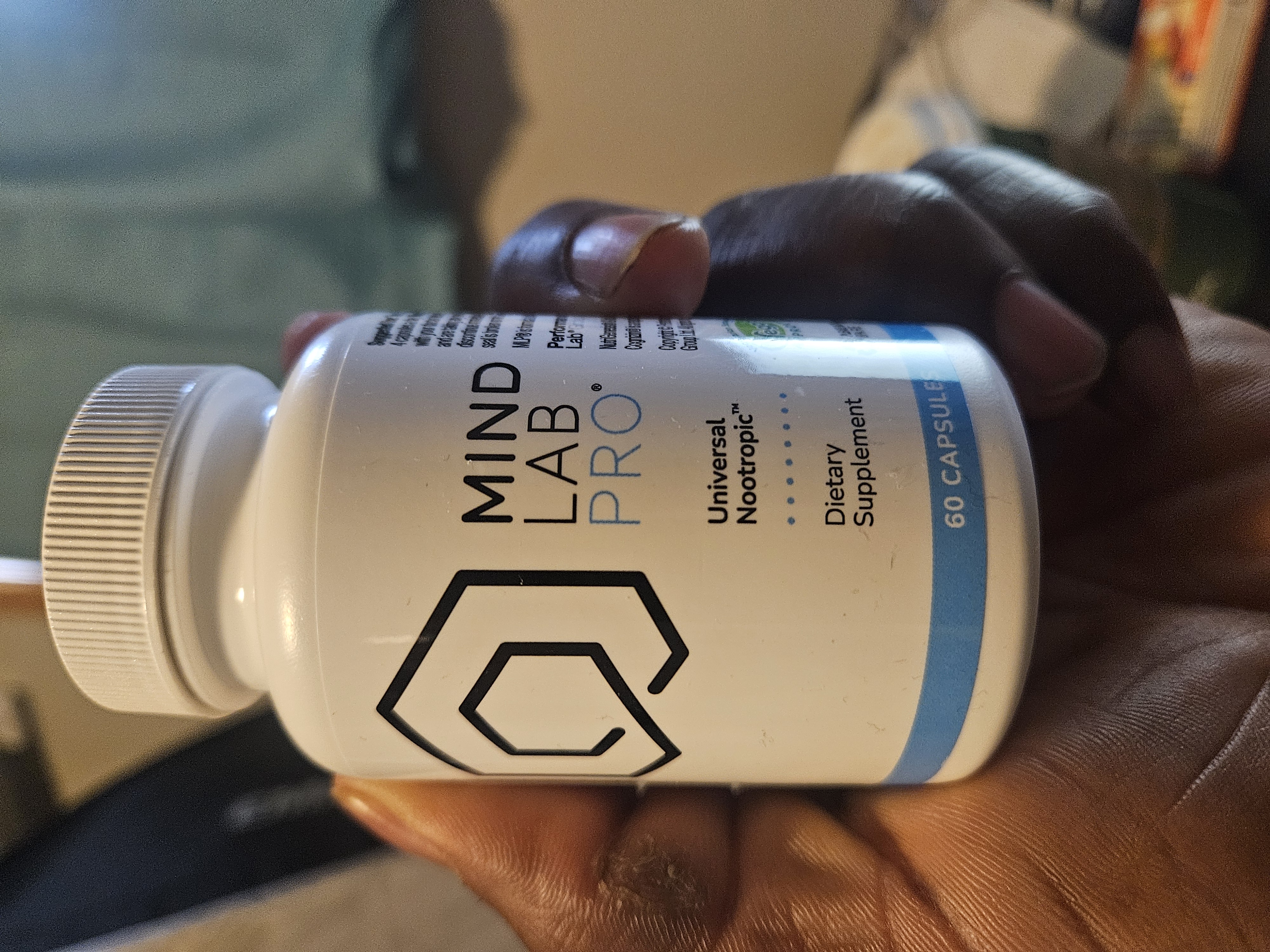
A few important design choices stand out:
- Stimulant-free — no caffeine, no amphetamine analogs, no DMAA-type compounds
- Two capsules per serving, taken daily
- Designed for consistent use rather than occasional spikes
- Fully disclosed ingredient amounts (no proprietary blends)
The company behind Mind Lab Pro is Performance Lab, a UK-based supplement manufacturer that positions itself around “clean label” design and evidence-based formulations.
They claim third-party testing for purity and quality control. While it’s not third-party sport-certified (like NSF Certified for Sport or Informed Sport), it presents itself as a transparency-first product compared to many competitors in the nootropic space.
In short, it’s trying to be the “clean, sustainable” option in a category full of aggressive marketing.
What Mind Lab Pro Is Not
This is where expectations matter.
Mind Lab Pro is not:
- A stimulant stack
- Prescription medication
- A pre-workout
- An instant “Limitless” pill
It’s not Adderall or Modafinil. It’s not going to override sleep deprivation or push you into hyperfocus against your will.
It’s also not a pre-workout gym product. If you’re looking for something to blast you into a heavy lift session or a fight camp sparring day, this isn’t that.
However, it does work great for improving your ability to train if you use it consistently. Especially if your sport relies on reaction time and mental endurance.
Mind Lab Pro is subtle by design. That subtlety is either a strength or a weakness, depending on what you’re trying to accomplish.
The logic behind Mind Lab Pro is multi-pathway cognitive support. Instead of hammering one neurotransmitter system, it spreads support across several domains:
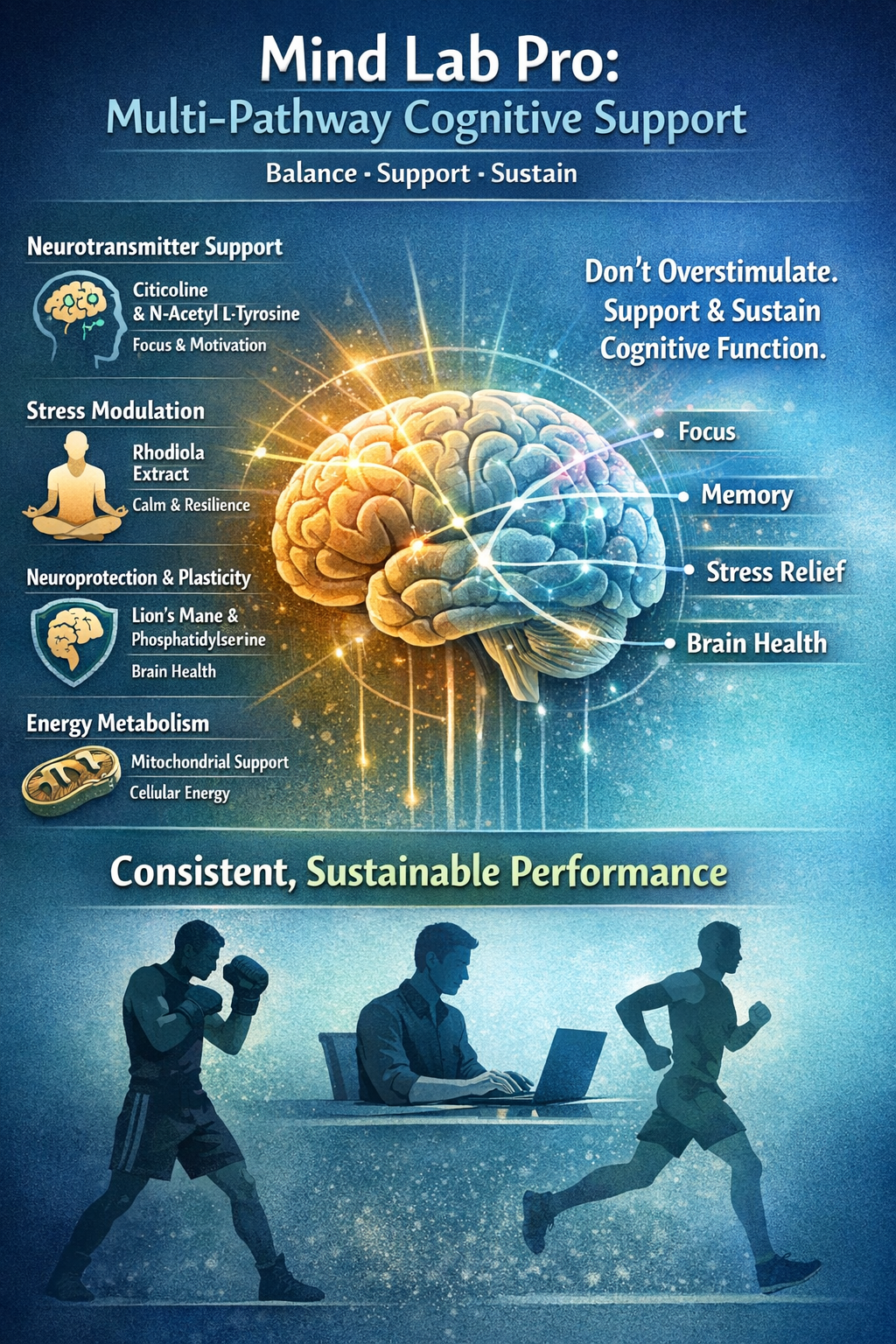
- Neurotransmitter Support. Ingredients like citicoline and N-Acetyl L-Tyrosine support acetylcholine and dopamine pathways — critical for focus, working memory, and motivation.
- Stress Modulation. Adaptogens like rhodiola aim to reduce cognitive fatigue and help regulate stress hormones, keeping you out of that high-beta, anxious state where focus fragments.
- Neuroprotection & Plasticity. Lion’s Mane mushroom and phosphatidylserine are included to support long-term brain health, cell membrane integrity, and potential neuroplasticity.
- Energy Metabolism. Rather than stimulating the nervous system, Mind Lab Pro supports mitochondrial function and cellular energy production — essentially helping brain cells do their job more efficiently.
The philosophy behind Mind Lab Pro is simple:
Don’t overstimulate the brain. Rather, support the systems that allow it to perform consistently.
That philosophy aligns well with how I approach performance in general. In boxing, in writing, in training, you don’t want a spike. You want sustainable output, day in and day out.
Learn more about Mind Lab Pro here.
Ingredients in Mind Lab Pro
Mind Lab Pro Ingredient Breakdown
Quick, clean reference table for what’s inside the formula.
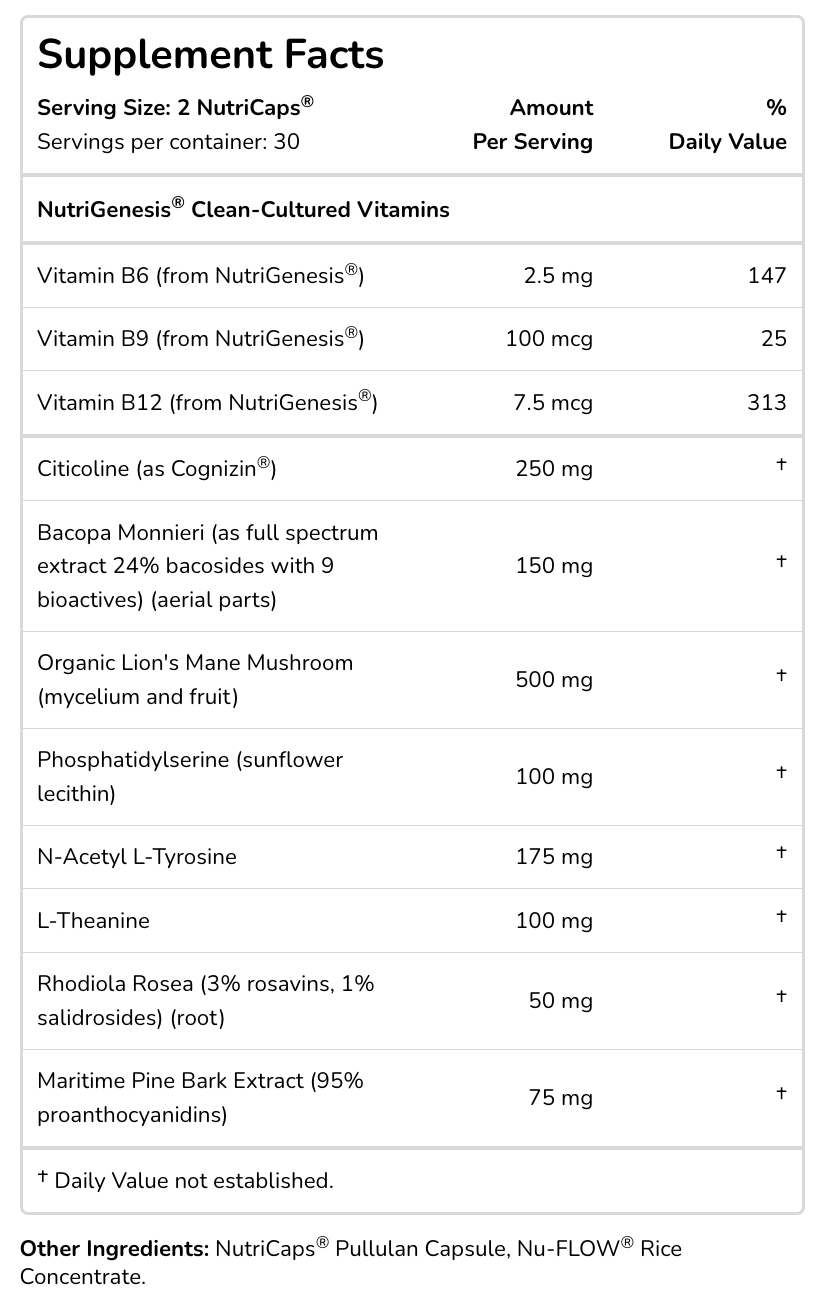
| Ingredient | What It Does | Amount (per serving) |
|---|---|---|
| Vitamin B6 (NutriGenesis®) | Supports neurotransmitter production (dopamine, serotonin, GABA) and cognitive energy metabolism. | 2.5 mg 147% DV |
| Vitamin B9 (NutriGenesis® Folate) | Supports methylation, brain cell maintenance, and mood regulation. | 100 mcg 25% DV |
| Vitamin B12 (NutriGenesis®) | Essential for nerve health, red blood cell formation, and mental clarity. | 7.5 mcg 313% DV |
| Citicoline (as Cognizin®) | Supports acetylcholine production and brain energy—helps focus and memory. | 250 mg |
| Bacopa Monnieri (24% bacosides) | Supports memory consolidation, learning speed, and long-term recall. | 150 mg |
| Organic Lion’s Mane Mushroom | Supports nerve growth factor (NGF) activity and long-term neuroplasticity. | 500 mg |
| Phosphatidylserine (Sunflower) | Supports cell membrane function, memory retention, and stress response. | 100 mg |
| N-Acetyl L-Tyrosine | Precursor to dopamine—supports focus and cognition under stress or fatigue. | 175 mg |
| L-Theanine | Promotes calm focus and smooths out overstimulation. | 100 mg |
| Rhodiola Rosea (3% rosavins, 1% salidrosides) | Adaptogen that supports resilience to stress and mental fatigue. | 50 mg |
| Maritime Pine Bark Extract (95% proanthocyanidins) | Supports cerebral blood flow and antioxidant protection. | 75 mg |
† Daily Value (DV) not established for non-vitamin ingredients.
The Pros of Mind Lab Pro
There are a lot of good things about Mind Lab Pro. And in the increasingly competitive nootropic supplement market, there has to be.
While I haven’t tried all of the popular brands and alternatives, I’m aware of the many competitors in the space, such as Qualia Mind and NooCube.
Below are the things that I think are exceptional about Mind Lab Pro.
Mind Lab Pro does not use caffeine
This is common in many nootropics because caffeine is a highly researched compound that has been proven to bestow nootropic-like properties, like improved reaction time, focus, and memory.
The problem with caffeine is that, despite how common it is, it can increase cortisol and catecholamines, stress hormones that can do a number on your nervous system.
It gives many people the jitters, making it more challenging to focus. Because it’s stimulant-free, it doesn’t rely on borrowed nervous system activation.
Mind Lab Pro has an intelligently designed ingredient blend
A lot of nootropics lean on hype, stimulants, or long ingredient lists that look impressive but don’t actually deliver meaningful doses.
Mind Lab Pro takes a different approach. Instead of overwhelming you with 25 random compounds, it uses a focused formula built around research-backed ingredients.
What makes the blend powerful is that it works across multiple pathways at once. Rather than targeting just “energy” or just “mood,” the formula is designed to support:
- Neurotransmitter production
- Stress regulation
- Brain cell integrity
- Blood flow
- Long-term neuroplasticity.
Focus, memory, and creative thinking all depend on these different but interconnected systems working well together.
No ingredients banned by WADA
It’s not always a given that a supplement will be allowed by WADA. Nothing in Mind Lab Pro is banned from competition or training, which is a huge relief because it can really take your training to the next level.
That matters because many pre-workouts and stimulant-heavy cognitive formulas contain compounds that can either directly violate WADA standards or increase contamination risk.
Mind Lab Pro is allergen-free
Mind Lab Pro’s formula is free of common allergens, including gluten, dairy, soy, and shellfish. It’s also non-GMO, vegan, and free of artificial colors and synthetic fillers.
Mind Lab Pro does not use proprietary blends
An issue I have with many supplements is the use of “proprietary blends.”
Proprietary blends mean the manufacturer does not have to disclose exactly what, or how much, of something is in the blend. It’s a sneaky way for companies to hide cheap products or present the illusion that you’re getting more of something than you really are.
Mind Lab Pro doesn’t do that. All of their ingredients are clearly listed on the bottle.
Mind Lab Pro is rigorously researched
Mind Lab Pro has two clinical studies supporting the efficacy of its formula. While the research was funded by Performance Lab—the company behind Mind Lab Pro—the studies were conducted independently by researchers at the University of Leeds in the UK, and the findings were published in peer-reviewed academic journals.
Industry-funded research should always be scrutinized. With that said, the study design and results are transparent and methodologically sound. More importantly, the outcomes are consistent with the broader body of independent research on the formula’s individual ingredients.
Mind Lab Pro offers a money-back guarantee
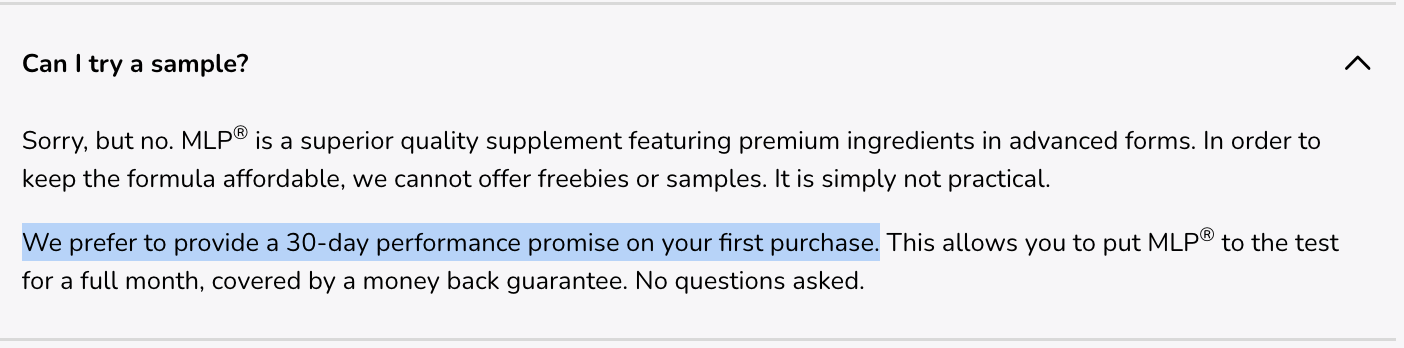
Mind Lab Pro is so confident in its product that it offers a 30-day, no-questions-asked money-back guarantee. If you ever wanted to try out a nootropic and were worried it’d be a waste of money, this is a pretty good deal.
Grab a bottle of Mind Lab Pro here.
The Cons of Mind Lab Pro
While there are many positives about Mind Lab Pro, I also have to be real with you. There are some negatives. Fortunately, none of these negatives are deal breakers (at least in my opinion), but they are still good to know.
It takes a little while to get the full effect
If you’re looking for something you can ‘feel’ in the first 15-30 minutes, this isn’t it.
While a few ingredients may produce subtle effects within the first few days, the real strength of Mind Lab Pro comes from compounds that work cumulatively over time. Improving neuroplasticity, memory, and stress resilience take time and require consistent use.
If you’re expecting an immediate, dramatic change in focus on day one, this is not it. With that said, if you’re willing to take it consistently for several weeks, there are some pretty noticeable benefits..
Mind Lab Pro is not cheap
One bottle of Mind Lab Pro—a 30-day supply—is $69.00. This price does not include shipping; you will have to pay shipping if your order does not meet the $100 minimum to qualify for free shipping.
There are two tiers of a subscription model. The first tier, where you get one bottle per month automatically ordered, is $62.00/month, representing a 10% savings.
The second tier of the subscription model delivers 4 bottles every 4 months. This costs $207. While that sounds expensive, it’s a 25% discount on what you would have paid if you bought 4 bottles individually.
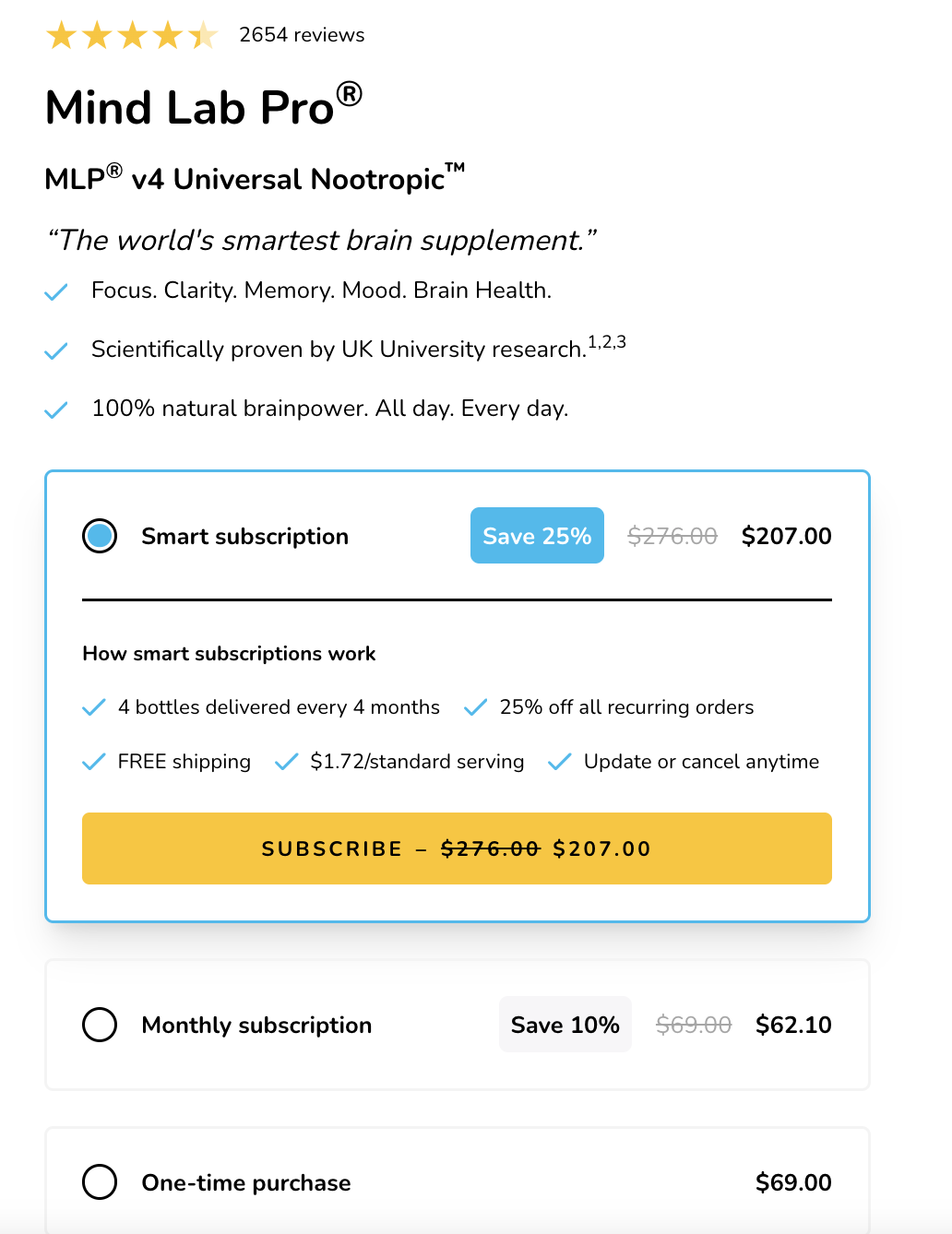
Either way, the cost of Mind Lab Pro positions it as a premium product. To be fair, with the research and design they’ve put into their product, they absolutely deserve to price it that way.
And also, in continued fairness, they offer you a 30-day, no-questions-asked, money-back guarantee.
Mind Lab Pro has a high cost of consistency
Because Mind Lab Pro is built around cumulative, systems-level support rather than stimulants, it’s not something you can fairly judge after three days.
That means you may need two or even three months to fully assess its impact. Practically speaking, that’s a bigger financial commitment than trying a one-time performance booster. If you quit after one bottle, you likely won’t experience what the formula is actually designed to do.
Also, taking a supplement everyday like it’s an antibiotic prescription will be tough for people. We live in a “I want it yesterday” society. While I suspect that the type of person who is interested in nootropics is more likely to not have this problem, there are probably fewer of these people than I imagine.
Hell, I even had a problem remembering to take it everyday with my daily supplement stack. That’s because, despite the name, the only time I take something everyday is when I’m in training for a fight. Since I wasn’t, adherence was a little hard, but I managed to get something out of it.
Mind Lab Pro is not third-party sport certified
While none of the ingredients in Mind Lab Pro are banned by WADA, there’s a difference between “ingredient compliant” and “third-party sport certified.” Some elite athletes prefer supplements that carry certifications such as NSF Certified for Sport or Informed Sport, which test individual batches for banned-substance contamination.
When I reviewed Mita Nutra’s supplement blend, I was impressed by their commitment to making sure their products were NSF certified. When I talked to the founder of Mita Nutra, I also found out how expensive and time consuming the process is. Unless a product is specifically marketed to athletes, there it is economically impractical to get that certification.
However, if you compete in any sport governed by WADA, you understand that contamination risk—however small—is never zero in the supplement industry. For most people, this won’t matter. For anyone competing in a sport governed by WADA, third-party sport certification would offer additional peace of mind.
Mind Lab Pro Pricing (Monthly Cost Breakdown)
- One-time price: $69
- Subscription: $62/month
- Bulk: $207 (4 months)
What the Scientific Research Says About Mind Lab Pro
If I’m putting something in my body — especially as a fighter — I want human data.
Mind Lab Pro has two published, double-blind, placebo-controlled trials on the finished formula. Not ingredient theory. Not animal studies. Measured cognitive outcomes in healthy adults.
Here’s what they found.
Study 1: Mind Lab Pro improves reaction time and processing speed
In a 30-day trial with 105 healthy adults, researchers measured cognitive speed in milliseconds using three objective tests: simple reaction time, choice reaction time, and anticipation timing.
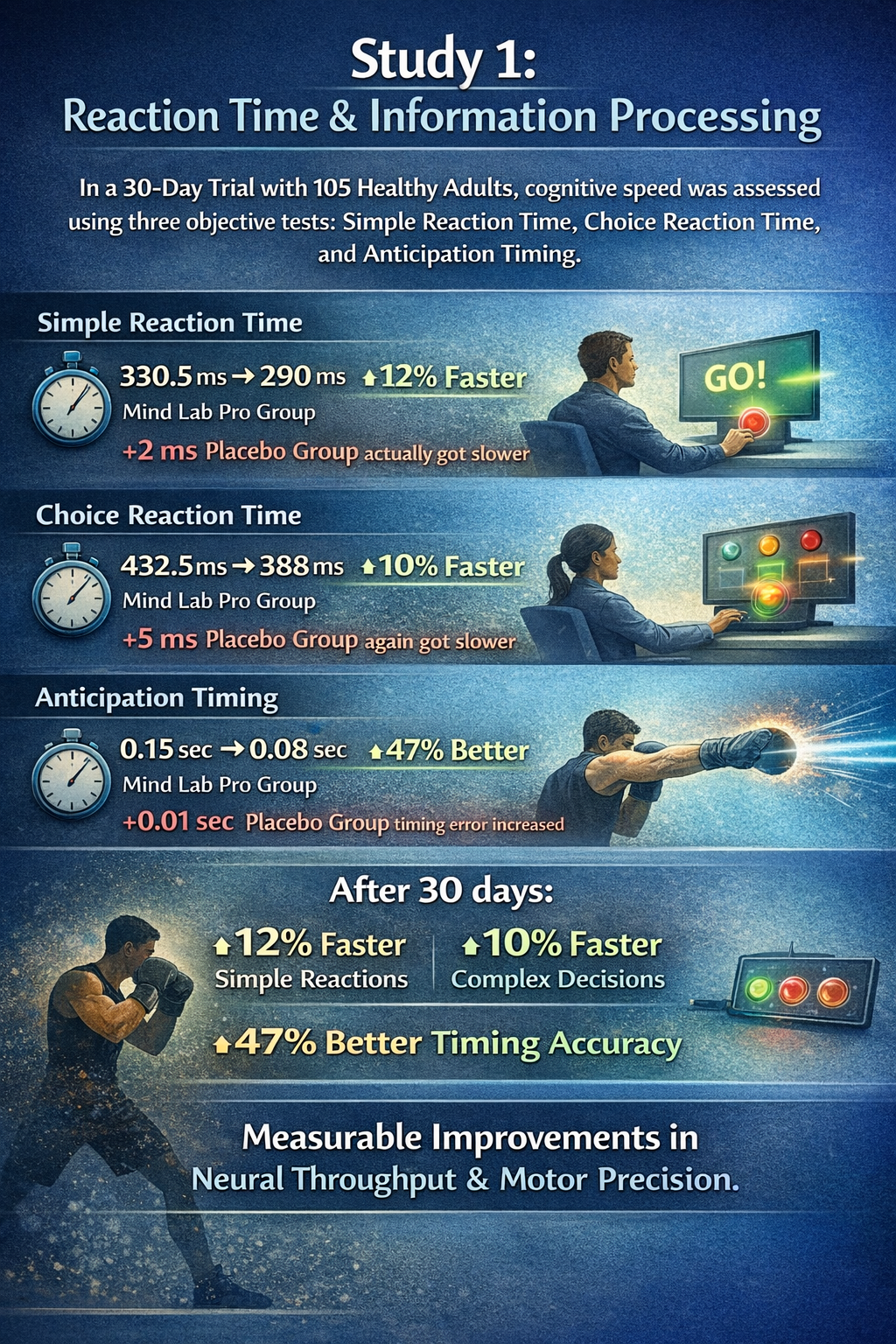
Simple Reaction Time (one stimulus, one response)
Mind Lab Pro group improved from 330.5 ms to 290 ms — a 12% reduction in reaction time.
The placebo group actually got slightly slower.
Twelve percent may not sound dramatic, but in environments where reactions happen in under 200 milliseconds, that’s significant.
In boxing, trained fighters typically sit in the 170–210 ms range. A 12% improvement can move someone from average into trained territory — or from trained into elite-level responsiveness.
Choice Reaction Time (multiple options)
Participants improved from 432.5 ms to 388 ms — about 10% faster decision processing.
Placebo again worsened slightly.
This isn’t just reacting — it’s choosing correctly under pressure. In sport, driving, trading, or any high-speed environment, 40 milliseconds can mean the difference between positioning correctly or getting caught out.
Anticipation Timing
Error dropped from 0.15 seconds to 0.08 seconds — a 47% reduction in timing error.
Placebo group timing actually worsened.
That’s nearly cutting mistiming in half. In boxing, slipping too early or too late gets you hit. In real life, poor timing leads to missed brakes, dropped objects, or near collisions. This isn’t about reflexes alone — it’s calibrated precision.
After 30 days:
- ~12% faster simple reactions
- ~10% faster complex decisions
- ~47% better timing accuracy
These are measurable improvements in neural throughput and motor precision.
Study 2: Mind Lab Pro improves memory & recall
The second study measured memory using the Wechsler Memory Scale IV in 49 healthy adults over 30 days.
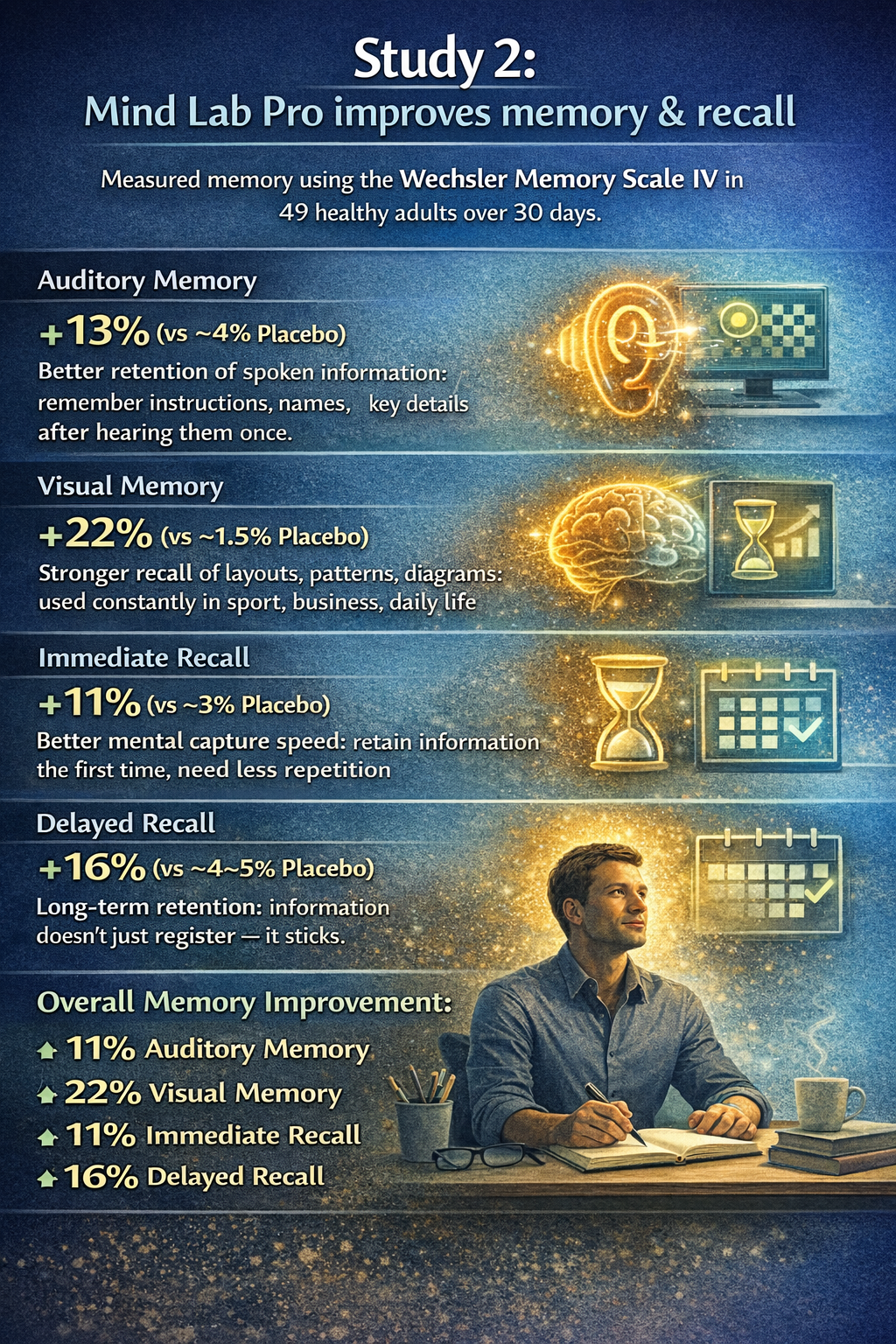
- Auditory memory improved by 13% (vs ~4% placebo).
That means better retention of spoken information — remembering instructions, names, conversations, and key details after hearing them once.
- Visual memory improved by 22% (vs ~1.5% placebo).
That’s stronger recall of layouts, patterns, diagrams, spatial relationships — the kind of memory used constantly in sport, business, and daily life.
- Immediate recall improved by 11% (vs ~3% placebo).
Better mental capture speed. You retain information the first time you hear it instead of needing repetition.
- Delayed recall improved by 16% (vs ~4–5% placebo).
This is long-term retention. Information doesn’t just register — it sticks.
What This Means
Study 1 showed faster processing and sharper timing.
Study 2 showed stronger encoding and recall.
Speed without memory isn’t useful. Memory without speed isn’t efficient.
Mind Lab Pro improved both.
These aren’t superhero gains. But they are consistent, measurable, double-digit improvements in healthy adults over 30 days.
And in performance — whether in sport, business, or daily life — marginal improvements compound. You can read more about these scientific research that goes in to Mind Lab Pro on their site here.
Or just learn more and a grab a bottle here.
My Experience With Mind Lab Pro
I have to start off by saying that I was at least partially familiar with the ingredients in Mind Lab Pro because of my experience with other nootropics.
So I expected an immediate feeling of the nootropics hitting. I initially felt disappointed, but that’s only because I was not yet aware of how Mind Lab Pro works.
Believe it or not, I started jotting down my experiences for this review before I knew how it worked.
Language Learning: Breaking a Plateau

I spend a lot of time working with Practice Portuguese to improve my spoken and written European Portuguese. One exercise I do consistently is a dictation drill: I listen to a clip and try to write down as much of it as possible before replaying it.
If you’re learning a language, this is one of the best exercises you can do.
I’d been doing this for months and felt stuck. I could hear the words, but I couldn’t process and capture full chunks quickly enough. It felt like I hit a ceiling.
By week two on Mind Lab Pro, something changed.
I was capturing larger chunks of sentences before needing to replay the audio. It felt like the bottleneck loosened.
Sparring at 41: Where I Felt It Most
This is where things got real.
I’m 41. While I took nearly a decade off from boxing — which likely spared me cumulative damage — that doesn’t mean aging stopped. My reaction time had absolutely declined.
I regularly spar with younger, faster fighters. Fighters who used to get the better of me on specific combinations.
That stopped happening as often.

I started seeing shots earlier and responding cleaner. My ability to read opponents’ movement and reaction time is noticeably faster. As my coach exclaimed in surprise, “You’re much better!” For a fighter, milliseconds matter.
This has been, by far, the most exciting aspect for me. What I’m experiencing aligns with the reaction-time data on the formula, and it is not a trivial improvement. This is a whole new level of ability that can be potentially unlocked.
I’ll probably write an entire separate article on this alone.
Grab a bottle of Mind Lab Pro here.
Writing & SEO Work: More Industrious
Boxing is what I love, but writing is how I make my living.
Mind Lab Pro didn’t suddenly make me a more creative writer. My thinking style didn’t transform overnight.
What it did was make me more industrious.

I feel less distracted. I was less tempted to check tabs or drift into unnecessary rabbit holes. It’s easier to stay seated and execute.
More importantly, it’s easier to hold onto ideas that surface while I’m mid-paragraph. There are few things more frustrating than losing your mental place because you tried to mentally juggle a new insight.
That happens less now.
It feels like improved task persistence and better working memory.
Chess: Better Pattern Recognition
I play a lot of chess. While there are millions of possible board combinations, strong players understand that certain position types repeatedly occur. Recognizing the structure and knowing the correct plan is what separates intermediate players from stronger ones.
I’m still making mistakes.
But my ability to recognize what type of position I’m in — and respond accordingly — has improved. I see it reflected in my accuracy rating and in the fact that I’m losing fewer games.
Maybe this is what finally gets me to 1900 on Chess.com.
Time will tell.
Side Effects & Integration
I haven’t experienced any side effects.
No headaches. No jitteriness. No sleep disruption.
And in a supplement routine that’s already pill-heavy, adding two more capsules is negligible.
If I had to summarize my experience:
Mind Lab Pro didn’t feel like flipping on a light switch. It felt like clearing the fog.
Who should use Mind Lab Pro
Not every supplement is for everyone.
Mind Lab Pro isn’t a stimulant blast. It’s a steady cognitive support stack. That makes it a better fit for certain people than others.
Knowledge Workers
If your income depends on your brain, this is where Mind Lab Pro makes the most sense.
Writers. Engineers. Traders. Founders. Analysts.
It’s well-suited for:
- Deep work sessions
- Long writing blocks
- Strategic thinking
- Back-to-back meetings
- Complex problem solving
Because it’s stimulant-free, it doesn’t create the jittery edge that can fragment attention. It’s better for sustained clarity than short bursts of hype.
If you need four clean hours instead of one caffeinated spike, this fits.
Students
This isn’t a cram pill.
It’s better positioned for:
- Memory consolidation
- Consistent study blocks
- Exam preparation over weeks
- Reducing mental fatigue during long sessions
The memory study showing improvements in delayed recall suggests this may support retention over time.
If you’re trying to pull an all-nighter and brute-force memorization, caffeine will feel more dramatic. And it won’t work anyway.
But if you’re studying consistently over weeks, Mind Lab Pro is what you need to use. .
Adults Over 35
As we age, reaction time slows slightly. Mental stamina dips and brain fog becomes a lot more common.
Mind Lab Pro’s combination of citicoline, bacopa, phosphatidylserine, and B vitamins is particularly relevant here.
It’s a strong candidate for:
- Mild brain fog
- Slower recall
- Mental fatigue
- Sustained cognitive stamina
Please don’t look at this as some type of dementia prevention treatment, but it can definitely assist older adults in maintaining cognitive sharpness.
Athletes & High-Performance Individuals
This is where my bias comes in.
The reaction time and anticipation data matter if you compete. And I can tell you, first hand, that it works here. Your mind will work better.
Mind Lab Pro may support:
- Focus under fatigue
- Decision-making speed
- Stress resilience
- Composure under pressure
Because it’s stimulant-free and WADA-compliant at the ingredient level, it doesn’t carry the contamination or banned-substance risk profile of aggressive pre-workout stacks.
Mind Lab Pro will allow you to train harder, longer, and get more out of your skill development.
If you’re in any one of these groups, you definitely need to check it out.
Who Should Skip It
Mind Lab Pro is not for everyone.
If You Want a Stimulant-Level Boost
If you’re looking for something that feels like Adderall, DMAA, or 400mg of caffeine, this isn’t it..
If You Expect Instant Effects
The strongest ingredients in this stack (like bacopa) are cumulative.
This takes time to work.
If Your Sleep and Lifestyle Are Poor
No supplement fixes:
- 4 hours of sleep
- Chronic stress
- Poor diet
- Sedentary habits
If your foundation is weak, this won’t override it.
If your budget Is tight
At $62–$69 per month, this is a premium product.
If you’re financially constrained, sleep, exercise, sunlight, and diet will give you a higher ROI.
Mind Lab Pro makes the most sense when your basics are already handled and you’re optimizing from
Mind Lab Pro vs Alternatives
Here are a list of other nootropics I have personal experience with to compare to Mind Lab Pro.
Mind Lab Pro vs Thesis
At a high level, Mind Lab Pro and Thesis are both designed to improve focus, memory, and cognitive performance. But they go about it in completely different ways, and that difference matters more than anything else when deciding which one to use.
Mind Lab Pro is a fixed, all-in-one formula. You take the same two capsules every day, and over time, it works to improve your baseline cognitive performance across multiple systems—memory, focus, stress resilience, and mental endurance.
Thesis is a customizable system. Instead of one formula, you get multiple blends—Focus, Energy, Clarity, Motivation, Logic, Creativity—and you rotate them depending on what you’re trying to accomplish. It’s less about building a baseline and more about adjusting your mental state on demand.
Consistency vs Customization
This is the biggest difference.
Mind Lab Pro is built for consistency. You don’t have to think about it. You take it every day, and over time, your cognitive performance improves in a steady, predictable way. It’s simple, repeatable, and designed for long-term use.
Thesis is built for customization. You experiment with different blends, figure out which ones work best for you, and use them based on the situation. That gives you more control, but it also requires more effort and trial-and-error.
If you want something that just works in the background, Mind Lab Pro fits better.
If you enjoy dialing things in and optimizing for specific tasks, Thesis gives you that flexibility.
Intensity vs Stability
Thesis is more noticeable.
Depending on the blend, you can feel a shift relatively quickly—more focus, more drive, more engagement with whatever you’re working on. Some stacks feel closer to a mild stimulant effect, even when they’re not heavily caffeine-based.
Mind Lab Pro is more stable.
It doesn’t hit you with a noticeable “on switch.” Instead, it gradually improves how your brain performs over time—less mental fatigue, better sustained focus, smoother recall. It’s not about intensity. It’s about reducing friction.
If you want something you can feel working early on, Thesis is more likely to deliver that.
If you’re thinking in terms of compounding gains over weeks and months, Mind Lab Pro fits that model better.
Stimulants and Energy
Mind Lab Pro is completely stimulant-free.
No caffeine, no spikes, no crashes. That makes it easier to use daily without worrying about sleep disruption or nervous system burnout.
Thesis depends on the blend.
Some formulas are stimulant-free, while others are more energizing and can feel more “activated.” That can be useful, but it also introduces more variability in how you respond day to day.
If you’re sensitive to stimulants or trying to avoid them entirely, Mind Lab Pro is the safer option.
If you’re okay with some variability in exchange for stronger acute effects, Thesis can feel more powerful in the moment.
Ease of Use
Mind Lab Pro is simple.
Two capsules per day. No decisions. No adjustments. It integrates into your routine without friction.
Thesis requires more involvement.
You have to test different blends, pay attention to how you respond, and decide which one to use based on the task. That’s not necessarily a downside—but it does require more effort.
Mind Lab Pro is plug-and-play.
Thesis is a system you have to actively manage.
Price and Value
Both are premium products, but they justify their cost differently.
Mind Lab Pro is priced around $62–$69 per month depending on whether you subscribe. You’re paying for a consistent, research-backed formula that you can run indefinitely.
Thesis is typically more expensive on a monthly basis, depending on how you structure your subscription and how many blends you’re using. You’re paying for flexibility and customization.
Mind Lab Pro is about long-term value.
Thesis is about optionality.
Which One Should You Choose
If your goal is to improve your baseline cognitive performance—better focus, better memory, better mental endurance over time—Mind Lab Pro is the better fit.
If your goal is to actively manipulate your mental state depending on the situation—deep work, creative work, high-output sessions—Thesis gives you more control.
They’re not really competing products.
Mind Lab Pro makes your default state better.
Thesis lets you shift your state depending on what you need.
Mind Lab Pro vs Alpha Brain
At a high level, Alpha Brain and Mind Lab Pro aim to solve the same problem: improve focus, memory, and cognitive performance without relying on caffeine. But they approach it differently.
Transparency vs. Proprietary Blends
The biggest structural difference is formulation transparency.
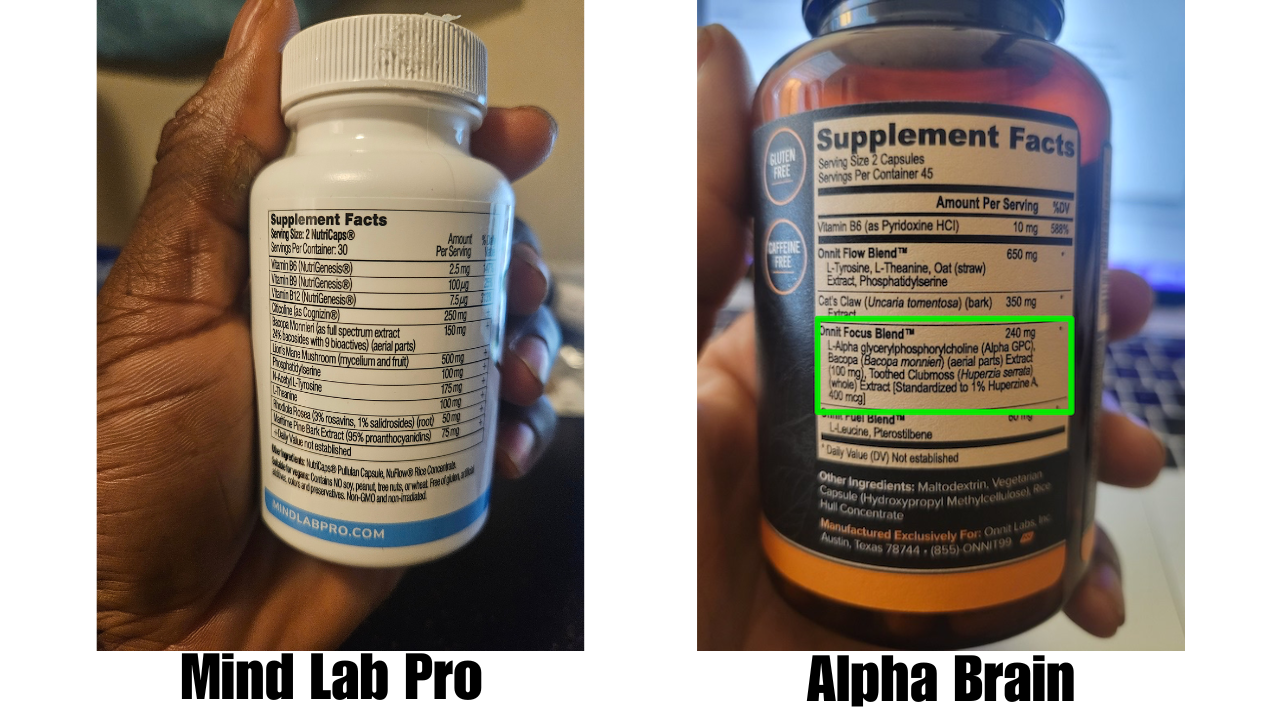
Alpha Brain uses proprietary blends. You can see the ingredients, but not the exact amounts of each compound within those blends. That doesn’t mean the formula is weak — clearly, it’s effective for many people — but it does make it harder to evaluate dose adequacy.
Mind Lab Pro, on the other hand, lists the exact dosage of each ingredient. From a biohacker or athlete perspective, that matters. If you care about knowing precisely what you’re putting into your body, Mind Lab Pro wins on transparency.
Intensity vs. Stability
Subjectively, Alpha Brain feels more noticeable.
When it “kicks in,” there’s a distinct shift — sharper focus, easier access to flow state, and a kind of productive urgency. I’ve described it as motivation in a bottle. It’s easier to sit down and immediately engage.
Mind Lab Pro feels different. It’s less of a switch and more of a gradual elevation of baseline cognition. The improvements are steadier and more subtle — longer sustained focus, smoother recall, less mental fatigue over time — but not necessarily that immediate jolt into flow.
If you’re looking for something you can feel clearly within the first hour, Alpha Brain is more likely to deliver that sensation. If you prefer cumulative, systems-level support that builds over weeks, Mind Lab Pro fits that profile better.
Read my review of Alpha Brain here.
Mind Lab Pro vs. Morning Would
I’ve used both Morning Would and Mind Lab Pro, but they’re not doing the exact same thing. They overlap in the “nootropic” category, but their personalities are very different.
Morning Would is closer to a hybrid between a nootropic and a pre-workout. It’s built for output — mental and physical — especially when you’re under stress or sleep deprived. Mind Lab Pro is more of a long-term cognitive support formula. It’s designed to elevate baseline brain function rather than push performance in the moment.
Energy vs. Baseline Cognition
Morning Would shines when you’re running on fumes.
During my son’s sleep regression, I needed something that could support decision-making, verbal clarity, training intensity, and content production all at once. Morning Would felt like a system-wide ignition switch. It didn’t just wake me up — it made me capable.
Mind Lab Pro feels different. It does not wake you up or provide a surge of energy. I would say that Mind Lab Pro is about making your best version better, while Morning Would helps you become a great version of yourself when you’re dragging from 4 hours of sleep and still need to function at a high level.
Powder vs. Capsules
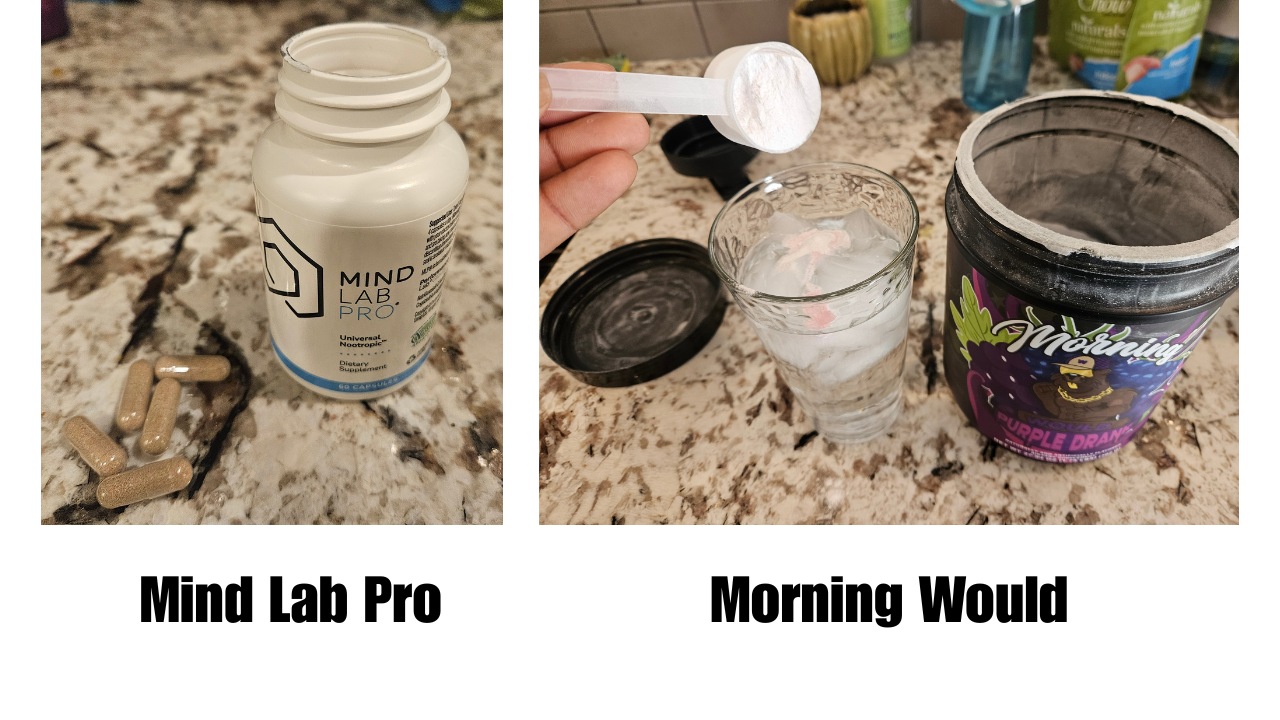
There’s also a practical difference.
Morning Would is a powdered drink. That makes it feel like a morning ritual — something you mix, sip, and associate with getting started. It contains electrolytes and has a mild salty taste, which reinforces that “performance” identity.
Mind Lab Pro is two capsules. It’s simple and clean. No ritual. No taste. Just swallow and move on.
That might not sound important, but psychologically, it changes how the supplement integrates into your day.
Hormonal Timing and Cortisol
Morning Would pairs well with natural morning cortisol rhythms. I intentionally delayed coffee and used it during that early window to avoid stacking caffeine spikes on top of the natural cortisol surge.
Mind Lab Pro doesn’t interact with that dynamic the same way. Because it’s stimulant-free and not built around acute energy, it doesn’t feel tied to that early-morning hormonal window. It’s more neutral in that respect.
Read my review of Morning Would here.
Gorilla Mind Smooth vs. Mind Lab Pro
I’ve used Gorilla Mind Smooth for a full year and Mind Lab Pro for extended stretches as well. Both are stimulant-free, both support focus and cognitive performance, and both are clean enough for someone who pays attention to WADA compliance.
But they are not the same experience.
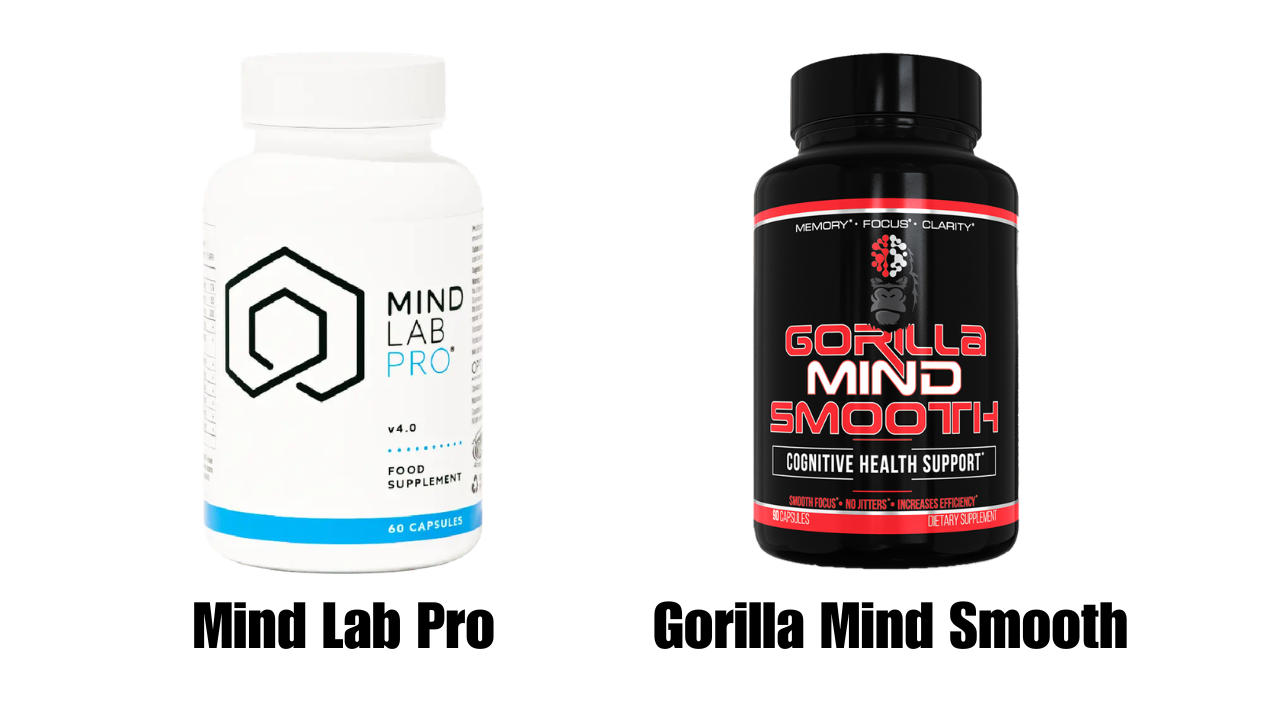
Mood-Forward vs. Systems-Forward
Gorilla Mind Smooth (GMS) is mood-forward.
The most noticeable effect for me isn’t raw focus. It’s optimism, patience, and an elevated baseline mood. That psychological shift alone improves productivity. When you feel good, you’re more willing to engage deeply with work. GMS seems to lean heavily into dopamine and serotonin support through ingredients like L-Tyrosine, saffron, and kanna.
Mind Lab Pro feels more systems-forward.
It doesn’t noticeably boost my mood in the same way. It just makes me think more clearly, with better recall, less mental friction, and longer sustained focus blocks over time. If you need your mood elevated to unlock productivity, GMS may feel more noticeable.
If your mood is already stable and you’re looking to refine cognitive performance, Mind Lab Pro feels more foundational.
Athletic Performance Angle
From a training standpoint, Gorilla Mind Smooth feels slightly more performance-oriented.
The 600mg Alpha GPC dose is substantial and supported by research on power output and reaction time. I’ve noticed improved sharpness during sparring sessions and long workouts. It doesn’t feel like a pre-workout, but it’s performance-adjacent.
Mind Lab Pro is less about explosiveness and more about mental endurance. I wouldn’t necessarily reach for it before a hard sparring session for a reaction-time edge. I would take it during periods where I want consistent mental clarity across training, writing, studying, and recovery.
GMS is slightly more tactical in athletic settings.
Mind Lab Pro is more strategic.
Subtlety vs. Accumulation
Both are stimulant-free, but GMS is easier to “feel” early on — mostly because of the mood lift.
Mind Lab Pro is quieter and takes weeks to build. If you’re expecting something dramatic in the first 30 minutes, GMS is more likely to deliver that sensation.
If you’re thinking in terms of compounding gains over months — the same way you’d think about strength training — Mind Lab Pro fits that mindset better.
Read my review of Gorilla Mind Smooth here.
Mind Lab Pro vs. White Maeng Da Kratom
I’m going to be very direct here: White Maeng Da Kratom and Mind Lab Pro aren’t really competing products, even though people use both for focus. I just happen to have tried White Maeng Da Kratom out, so it’s something I have direct experience with.
Mind Lab Pro is a supplement designed for long-term cognitive support. White Maeng Da is a psychoactive plant with real performance effects and real risk. One is a daily foundation. The other is a tool you pull out when you need a result.
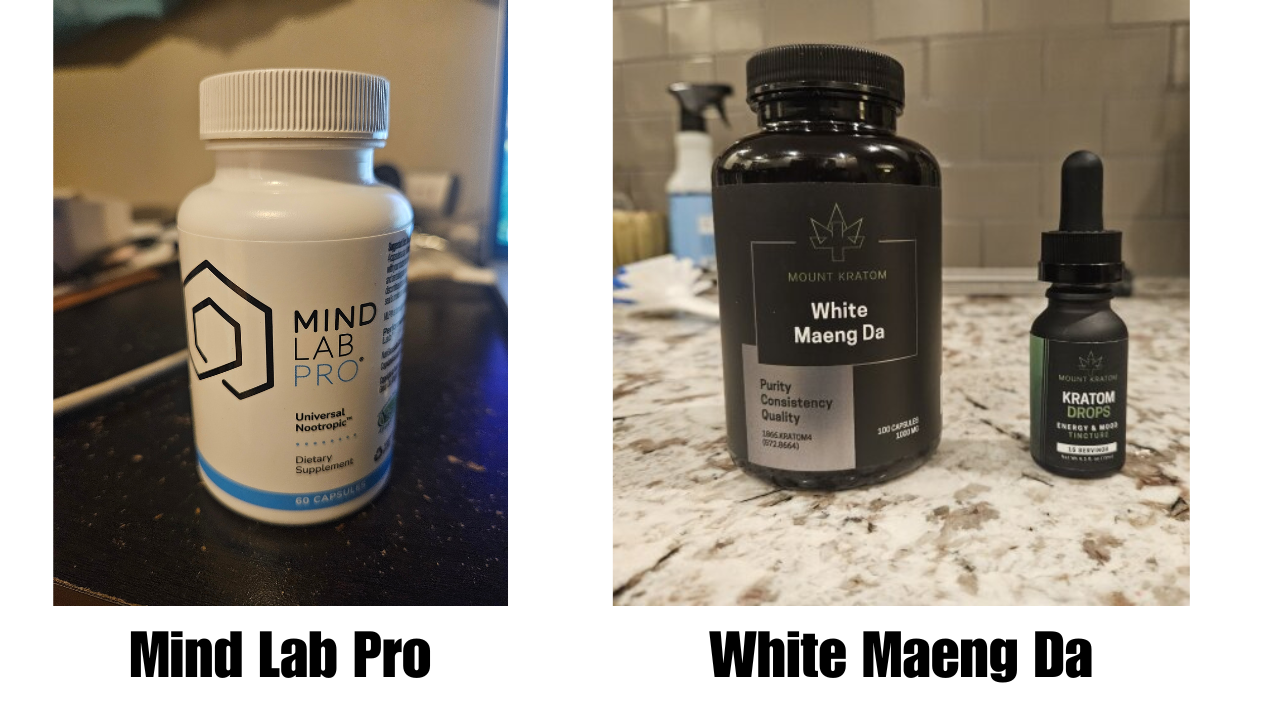
Immediate Punch vs. Slow Build
White Maeng Da is fast.
When it hits, it’s obvious: calm alertness, less mental noise, and a strong “locked in” feeling that makes distraction harder. For me, the effect showed up within about 20–30 minutes and made it easier to stay on one task without getting pulled into mental clutter.
Mind Lab Pro doesn’t work like that. It’s not a “feel it in 30 minutes” product. If you want something you can feel today, kratom wins.
If you want something that builds a better baseline over time, Mind Lab Pro wins.
Risk Profile: Tool vs. Lifestyle
This is the biggest difference.
Mind Lab Pro is a pretty low risk supplement. It’s stimulant-free, built from commonly used nootropic ingredients, and meant to be taken consistently.
White Maeng Da interacts with opioid receptors and adrenergic receptors. That’s why it can feel so effective—but it’s also why it can become a problem if you treat it like a daily supplement.
Tolerance builds, dependency is possible, and the unregulated vendor landscape adds another layer of risk.
Mind Lab Pro is a “use it daily” product.
White Maeng Da is “use it sparingly and deliberately.”
Focus Quality: Calm Drive vs. Clean Cognition
Kratom gives what I’d call “calm drive.”
It doesn’t just make you alert like caffeine. It reduces the background stress response and pulls you into a steadier mental state, making it easier to stay on-task. That’s especially useful when you’re sleep-deprived and still have to produce.
Mind Lab Pro gives clean cognition.
It’s less about drive and more about making your brain feel like it’s running with less friction—better sustained focus, smoother memory access, and less afternoon cognitive drag.
Kratom is better when the problem is “my brain is too loud.”
Mind Lab Pro is better when the problem is “my brain is getting tired.”
WADA and Competitive Use
From a competition perspective, Mind Lab Pro is simpler.
It’s easier to evaluate, easier to standardize, and has a lower contamination risk profile than buying kratom from the open market. Even if kratom is legal where you live, that doesn’t automatically make it a smart choice for an athlete governed by strict anti-doping rules—especially because the supplement market is notorious for contamination and inconsistent labeling.
Honestly, anyone who uses kratom while competing is already playing a crazy game.
If you’re an athlete Mind Lab Pro is the safer lane.
Read my review of White Maeng Da Kratom here.
Price & Value Analysis of Mind Lab Pro
Mind Lab Pro positions itself as a premium nootropic. The question isn’t whether it’s cheap — it isn’t. The real question is whether the value matches the cost for what you’re trying to accomplish.
One-Time Purchase
Monthly Subscription
Smart Subscription
Most people compare supplements by bottle price, but cognitive performance is a daily game. At the Smart Subscription tier, you’re paying less than a cup of coffee per day for a full-spectrum cognitive formula.
Whether that’s worth it depends entirely on what you expect in return.
Price of competitors to Mind Lab Pro
In the table below, I priced out the cost of ordering one 30-day supply bottle on a non-subscription model. This was the best way to run the comparison, because not all the brands offer a subscription model and, for even the ones who do, there is a significant variation in how their subscription models are set up.
Nootropic Price Comparison (30-Day Supply)
Quick snapshot of price and daily cost.
| Product | Price | Cost / Day | Tier |
|---|---|---|---|
| Mind Lab Pro Featured | $69.00 | $2.30 | Premium Balanced |
| Alpha Brain | $34.95 | $1.17 | Budget / Entry-Level |
| Gorilla Mind | $39.99 | $1.33 | Mid-Tier Performance |
| Qualia Mind | $159.00 | $5.30 | Ultra-Premium |
| NooCube | $64.99 | $2.17 | Premium |
| Thesis Clarity | $129.00 | $4.30 | Personalized Premium |
Quick takeaways
- Alpha Brain and Gorilla Mind are clearly the lowest-cost options.
- Mind Lab Pro and NooCube sit in the “premium but reasonable” range.
- Qualia Mind and Thesis are priced like ultra-premium products.
Frequently asked questions about MindLab Pro
How long does Mind Lab Pro take to work?
Mind Lab Pro does not produce immediate effects like caffeine or stimulants. Some users notice subtle improvements within a few days, but most benefits—such as improved memory, focus, and reaction time—become noticeable after 2–4 weeks of consistent use. This is because many of its ingredients support long-term brain function and neuroplasticity rather than short-term stimulation.
Is Mind Lab Pro legit or a scam?
Mind Lab Pro is a legitimate nootropic supplement produced by Performance Lab. It uses fully disclosed ingredients, has published human clinical trials on the finished formula, and offers a 30-day money-back guarantee. While it is not FDA-approved (like all supplements), there is no credible evidence suggesting it is a scam.
Does Mind Lab Pro actually improve focus and memory?
Research on Mind Lab Pro’s formula shows measurable improvements in reaction time, memory, and processing speed in healthy adults. Users often report better sustained focus, improved working memory, and reduced mental fatigue, especially after consistent use over several weeks.
What are the side effects of Mind Lab Pro?
Most users report no significant side effects. Because it is stimulant-free, it does not typically cause jitteriness, crashes, or sleep disruption. However, individual reactions may vary depending on sensitivity to ingredients like bacopa or tyrosine.
Is Mind Lab Pro worth the price?
Mind Lab Pro costs between $62–$69 per month, making it a premium nootropic. It may be worth the price for individuals who rely heavily on cognitive performance—such as knowledge workers, students, and athletes—but may not be ideal for those looking for a quick or inexpensive boost.
Final Verdict On MindLab Pro
Mind Lab Pro is a premium, stimulant-free nootropic designed for steady cognitive performance rather than dramatic short-term stimulation. It’s built for consistency, not intensity.
If you understand that going in, you’ll evaluate it correctly.
Strengths:
- Caffeine-free and smooth
- Fully disclosed ingredient amounts (no proprietary blends)
- WADA Safe
- Multi-pathway cognitive support
- Clinically proven to improve cognitive metrics
- Low risk of jitters or crashes
- Money-back guarantee
Weaknesses:
- Premium price
- Requires consistent use to evaluate properly
- Effects are subtle compared to stimulant-based nootropics
- Not third-party sport certified (important for elite athletes)
Ideal User:
- Knowledge workers whose income depends on cognitive output
- Students preparing for long study cycles
- Athletes looking for WADA-compliant cognitive support
- People who want steady clarity without caffeine spikes
- Individuals sensitive to stimulants
Not Ideal User:
- Anyone expecting a “Limitless pill” effect
- Users looking for a noticeable jolt of energy
- People looking for intense pre-workout-style stimulation
- Budget buyers who prefer DIY stacking
- Those unwilling to commit to 2–4 weeks of consistent use
**Overall Rating:
**8.5 / 10
It scores high for formulation quality, transparency, and long-term sustainability. It loses points for price and lack of third-party sport certification.
If you thought this review was helpful, I’d love if you purchased from my link here. It allows me to earn a small comission at no extra cost to you. Thanks!
Referecnes
Durga J, et al. Effect of 3-year folic acid supplementation on cognitive function in older adults in the FACIT trial. Lancet. 2007 Jan 20;369(9557):208–216.
Clarke R, et al. Low vitamin B-12 status and risk of cognitive decline in older adults. Am J Clin Nutr. 2007;86:1384–1391.
Crook TH, et al. Effects of phosphatidylserine in age-associated memory impairment. Neurology. 1991 May;41(5):644–649.
Fioravanti M, Buckley AE. Citicoline (Cognizin) in the treatment of cognitive impairment. Clinical Interventions in Aging. 2006;1(3):247–251.
Stough C, et al. The chronic effects of an extract of Bacopa monniera (Brahmi) on cognitive function in healthy human subjects. Psychopharmacology (Berl). 2001 Aug;156(4):481–484.
Deijen JB, et al. Vitamin B-6 supplementation in elderly men: effects on mood, memory, performance and mental effort. Psychopharmacology. 1992;109(4):489–496.
Mori K, et al. Improving effects of the mushroom Yamabushitake (Hericium erinaceus) on mild cognitive impairment: a double-blind placebo-controlled clinical trial. Phytother Res. 2009 Mar;23(3):367–372.
Shevtsov VA, et al. A randomized trial of two different doses of a SHR-5 Rhodiola rosea extract versus placebo and control of capacity for mental work. Phytomedicine. 2003 Mar;10(2-3):95–105.
Thomas JR, et al. Tyrosine improves working memory in a multitasking environment. Pharmacol Biochem Behav. 1999 Nov;64(3):495–500.
Kimura K, et al. L-Theanine reduces psychological and physiological stress responses. Biol Psychol. 2007 Jan;74(1):39–45.
DalBó S, et al. Activation of endothelial nitric oxide synthase by proanthocyanidin-rich fraction from Croton celtidifolius. J Pharmacol Sci. 2008 Jun;107(2):181–189.
Abbott-Imboden C, Gonzalez Y, Utley A. Efficacy of the nootropic supplement Mind Lab Pro on memory in adults: Double blind, placebo-controlled study. Human Psychopharmacology: Clinical and Experimental. 2023;38(4):e2872.https://doi.org/10.1002/hup.2872
Utley A, Gonzalez Y, Abbott-Imboden C. The efficacy of a nootropic supplement on information processing in adults: A double blind, placebo controlled study. Biomedical Journal of Scientific & Technical Research. 2023;49(1):40297–40305.https://doi.org/10.26717/BJSTR.2023.49.007746

Written by
Ed Latimore
Ed Latimore is a best-selling author, professional heavyweight boxer, and physicist. He writes about self-improvement, sobriety, fighting, and the lessons he learned growing up in the projects of Pittsburgh.
Follow @EdLatimore